Summit's Ambitions and Unresolved Questions
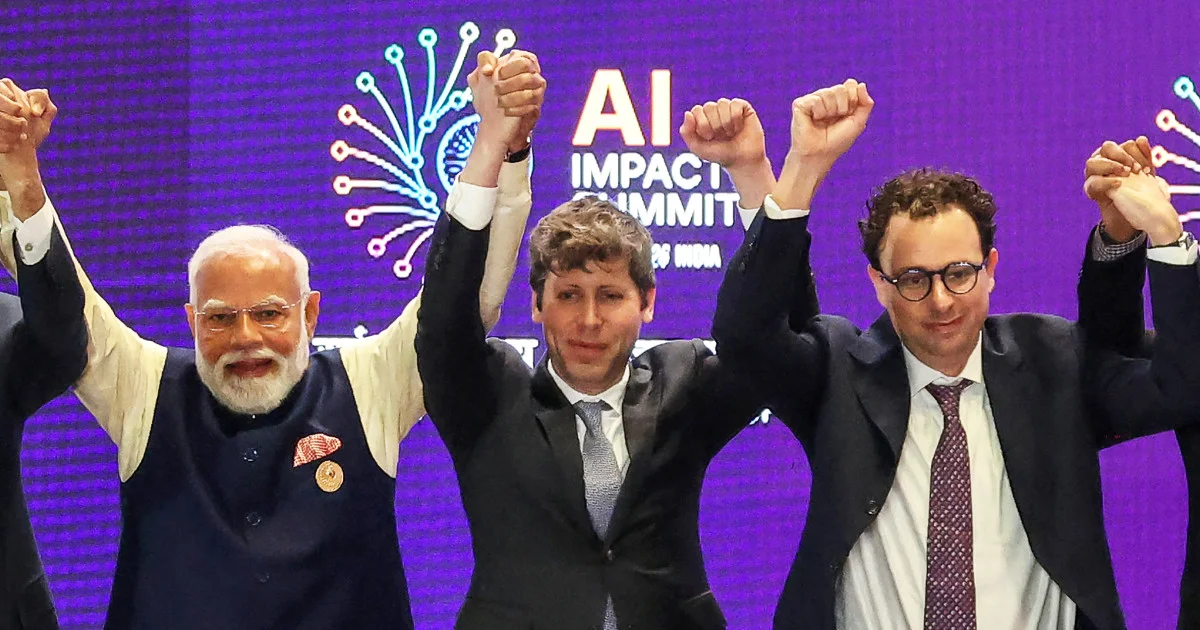
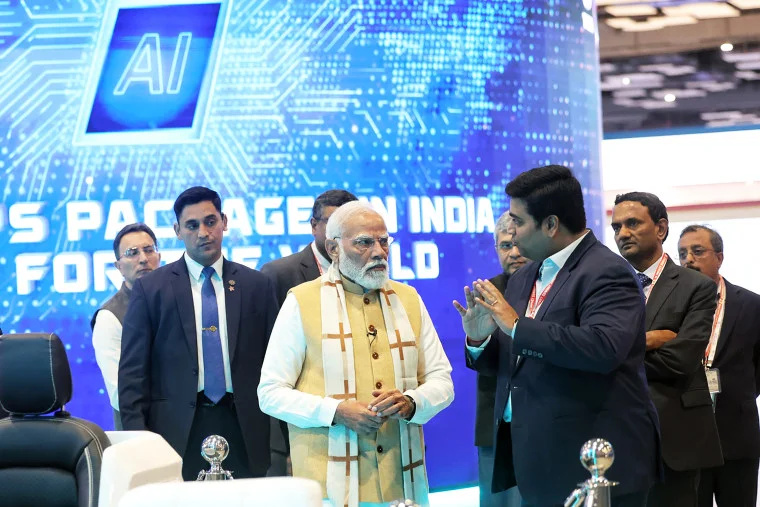
The India AI Impact Summit, held over six days in New Delhi, aimed to bring together global leaders, technology executives, and experts to discuss the future of Artificial Intelligence. While the event showcased India's growing role in the AI landscape and facilitated significant industry deals, it concluded without a finalized joint statement, raising questions about the feasibility of global AI governance and cooperation. The summit's broad scope and vague past commitments have led analysts to question the likelihood of concrete future actions.
Key Discussions and Outcomes
The summit addressed critical AI topics, including:
The societal advantages of multilingual AI translation.
The potential for job disruption due to AI advancements.
The significant electricity consumption of data centers.
The importance of ethical AI development and establishing norms.
India's vision for AI, with Prime Minister Narendra Modi unveiling the 'MANAV Vision' and advocating for AI as a "global common good."
Several significant developments occurred during the summit:
India formally joined Pax Silica, a U.S.-led coalition focused on building a resilient supply chain for critical minerals essential for AI technology.
Numerous deals and partnerships were announced between AI companies and Indian businesses, highlighting the event's commercial significance.
Voluntary commitments were made regarding the use of data to assess AI's economic impact and improve AI model performance across languages.
Organizational Challenges and Criticisms
Despite the high-level participation, the summit faced organizational issues. Attendees reported:
Poor organization, including chaotic entry and exit points.
Long queues and overcrowding, with some sessions being shut down due to capacity limits.
Limited access to food and water.
Reports of stolen products from stalls.
These organizational shortcomings were seen by some as undermining the summit's ambition to showcase India's AI ecosystem to a global audience.
Diverse Perspectives on AI Governance
The summit served as a platform for differing viewpoints on AI governance:
Read More: Music Files Show as "Unknown Artist" Due to Software Glitch Since 2015
The United States signaled its opposition to global AI regulation, advocating for a less restrictive approach.
Critics suggested India should prioritize developing its own foundational AI models to reduce reliance on foreign technology.
United Nations officials cautioned against the concentration of power in the hands of billionaires within the AI sector.
India positioned itself as a significant player capable of balancing strategic autonomy with rapid AI adoption, promoting its digital public infrastructure.
Unanswered Questions and Future Implications
The absence of a final, agreed-upon statement leaves key questions about the path forward for global AI governance. While delegates engaged in discussions, the ability to translate these conversations into binding international agreements or concrete, collaborative actions remains uncertain. The summit highlighted the complexities of achieving consensus among diverse national interests and technological priorities in the rapidly evolving field of AI.
Expert Analysis
"The world’s largest-ever AI summit took place in India this week, with hundreds of thousands of people, including world leaders and CEOs of AI companies, descending upon New Delhi for six days." - TIME
"He said the statement already had more than 70 signatories, but he hoped it would pass 80. But analysts said that the summit's broad focus, and vague promises made at its previous editions in France, South Korea and Britain, would make concrete commitments unlikely." - The Hindu
"The U.S. would reject any attempt to regulate AI at the global level." - TIME
Protests and Political Undercurrents
The summit also saw political activity outside the main discussions:
Members of the Indian Youth Congress staged a brief protest, leading to detentions and political accusations.
The Bharatiya Janata Party (BJP) alleged that a close aide of Rahul Gandhi organized the protest, claiming it was a politically motivated disruption intended to embarrass India.
This incident underscores the domestic political sensitivities surrounding major international events in India.
Sources
The Hindu: India AI Impact Summit still without final statement
TIME: World Leaders Near Declaration on AI, Indian Government Says
The Times of India: AI Impact Summit 2026 Live Updates: Centre slams Congress, Rahul after youth wing's shirtless march
NBC News: India’s AI summit draws global leaders, big pledges and some chaos
BBC News: India’s AI summit: Delegates complain of long queues and confusion on opening day
NDTV: AI Summit 2026 Day 4 Highlights: PM Modi Addresses AI Impact Summit
India Today: BJP claims Rahul Gandhi's aide organised shirtless protest at AI Summit
Politico: Oddest moments from India’s AI summit: Missing stars, traffic chaos and robo-dog controversy
The Times of India: AI Summit 2026 Day 4 Live Updates: 'Inclusive technology for everyone our goal,' PM Modi says during leader's plenary session