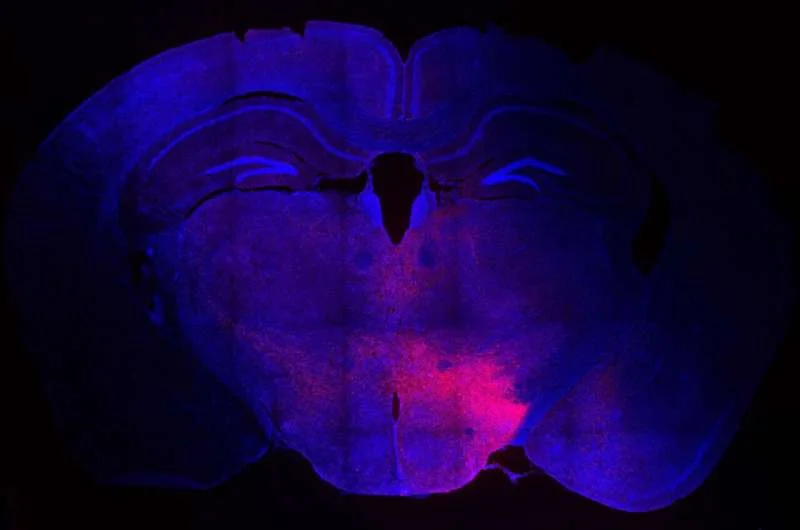
A recent study by researchers at the Indian Institute of Science (IISc) has uncovered a specific neural pathway within the brain that explains how stress can reduce the sensation of itching. This discovery offers insight into the complex interplay between emotional states and physical sensations, with potential implications for understanding and treating chronic itch conditions that impact a significant portion of the global population.
Background of the Study
Chronic itching is a widespread health issue affecting millions. While it has been observed that stress can sometimes alleviate itch, the underlying biological processes have remained unclear. Scientists have long suspected that the brain plays a crucial role in mediating this relationship, given that stress and anxiety are often linked to sensory experiences.
Key Findings on Neural Circuits
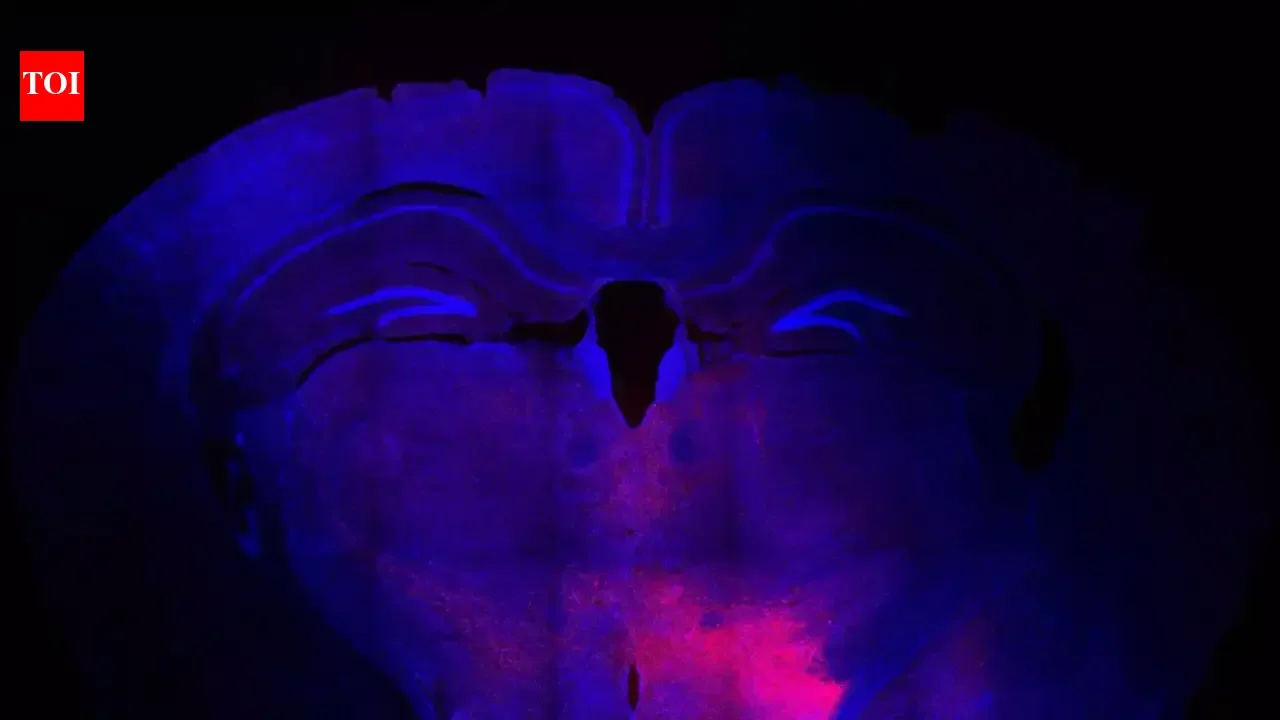
The IISc research team focused on identifying the specific neurons responsible for this stress-induced itch suppression. Their work, published in the journal Cell Reports, pinpoints a circuit that becomes active during stressful conditions.
Read More: Indore Bhagirathpura: 6 Hospitalised After Eating Food Made With Boring Water on Feb 23
Neural Activation: The study identified specific neurons that are activated when the brain experiences stress.
Itch Regulation: These stress-activated neurons were found to have a direct role in controlling the feeling of itch.
Experimental Evidence: When researchers artificially stimulated these stress neurons in experiments, they observed a notable decrease in scratching behavior.
Experimental Validation
To confirm their hypothesis, the researchers conducted experiments where they artificially activated the identified stress-related neurons.
Reduced Scratching: This artificial activation led to a reduction in scratching in two distinct scenarios:
Short-term itch induced by chemicals.
A model simulating chronic itch, similar to that experienced in psoriasis.
Behavioral Change: The results suggest a direct causal link between the activity of these specific neurons and the suppression of the urge to scratch.
Broader Implications
The findings provide a fundamental understanding of how the brain processes sensory information in the context of stress.
Complex Interactions: This research sheds light on the intricate connection between psychological states like stress and anxiety, and physical sensations such as itch.
Potential Therapeutic Avenues: While further research is needed, identifying this neural circuit could potentially open doors for new strategies to manage chronic itch by targeting the brain's stress-response pathways.
Sources
The Hindu: IISc researchers find out how the brain suppresses itch during stress. (Published 2 hours ago).
Medical Xpress: How the brain suppresses itch during stress. (Published 4 hours ago).
Link: https://medicalxpress.com/news/2026-02-brain-suppresses-stress.html