This winter, a significant increase in avalanche deaths has been reported globally, with over 90 fatalities noted this season. This surge in fatalities prompts an examination of the conditions and human factors contributing to these deadly events, particularly in Europe and the United States. The focus is on understanding whether current weather patterns, snowpack instability, and recreational activities are creating a more dangerous environment.
Mounting Avalanche Deaths and Contributing Conditions
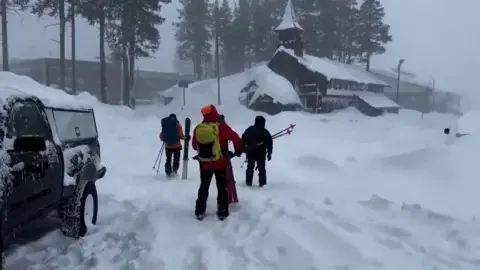
Multiple reports highlight a sharp rise in avalanche fatalities across Europe and the United States during the current season. In the Austrian Alps, five skiers were killed in a series of avalanches following heavy snowfall. Similarly, an avalanche in California claimed the lives of nine skiers. These events underscore the immediate dangers present in mountainous regions this winter.
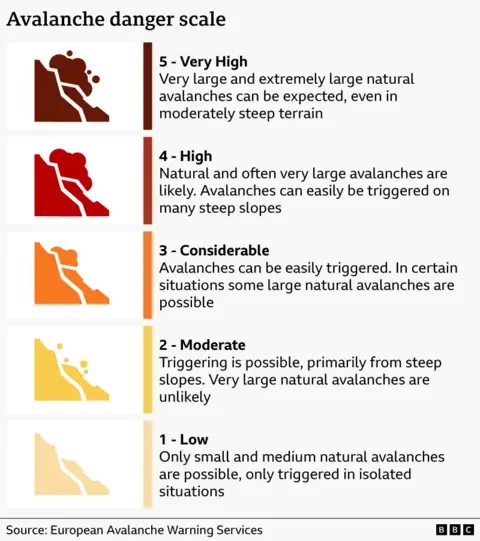
Europe: Reports indicate that Europe has experienced two major storms within a week, bringing heavy snow and strong winds. This combination has led to high avalanche warning levels across a significant portion of the Alps.
United States: Specific regions, such as Utah and southeastern Idaho, are also experiencing dangerous avalanche conditions, with warnings in effect. California has also reported a deadly avalanche incident.
The cumulative death toll appears to exceed typical yearly averages, prompting a closer look at the underlying causes.
Read More: NGT Stops Nashik Tree Cutting for Kumbh Mela Until April 28
Destabilizing Factors in Avalanche Formation
Several interconnected elements are identified as contributing to the changing dynamics of avalanches this season. These factors, broadly categorized, create a more precarious snowpack and increase the likelihood of dangerous slides.
Precipitation and Snowpack Instability:
Swings in Weather: A pattern of switching between droughts and heavy precipitation is noted as a destabilizing issue.
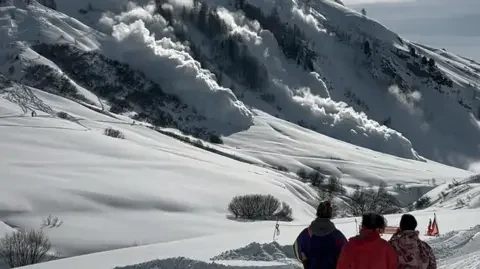
Heavy Snowfall: Major storms, such as those seen in the Alps, deposit large amounts of snow rapidly.
Wind: Strong winds accompanying snowfall can create uneven snow distribution and trigger slides.
Wetter Snow: Precipitation can lead to wetter, denser snow, which can be heavier and more prone to movement.
Melting Snow: Periods of melting can further destabilize the snowpack.
Persistent Weak Layers: Experts point to the formation of "persistent weak layers" within the snowpack, which can remain unstable over time, even under new snowfall. These layers are considered a prerequisite for the deadliest types of avalanches for skiers.
Human Activity and Risk Perception
Beyond natural conditions, human behavior is also cited as a significant factor in the rising number of avalanche incidents and fatalities. The increase in risk-taking and changing recreational habits are noted as crucial elements.
Increased Off-Piste Skiing: A shift towards off-piste skiing, particularly when persistent weak layers are present, is associated with an increased risk of triggering avalanches.
Risk Tolerance: Some individuals, especially tourists who may have invested heavily in their ski trips, might be less inclined to heed avalanche warnings, thereby increasing their exposure to danger.
Inexperienced or Unprepared Travelers: While some recent incidents involved experienced backcountry skiers, the general advice emphasizes the importance of avalanche education and preparation for all who venture into these environments.
"There was another important factor in Europe's spike in avalanche deaths - the changing behaviour of skiers and higher levels of risk." - Blaise Agresti, high-mountain guide at Chamonix.
Expert Guidance and Mitigation Strategies
Authorities and experts are consistently advising on measures to mitigate avalanche risks for backcountry travelers. These recommendations focus on preparedness, information gathering, and cautious decision-making.

Consulting Forecasts: Regularly checking local avalanche forecasts and weather reports is paramount, as conditions can change rapidly. Regional avalanche centers are identified as critical daily tools.
Education and Training: Formal avalanche education courses are strongly recommended to equip individuals with the necessary knowledge to assess risks and make safe decisions.
Preparedness: Practicing with avalanche safety gear and traveling with experienced, avalanche-educated partners are emphasized as essential precautions.
Ski Resort Measures: While not detailed in the provided text, the question of how resorts are mitigating risk is raised, suggesting operational or informational strategies may be in place.
The Role of Climate Change
The influence of climate change on avalanche frequency and intensity is a subject of ongoing discussion and research. While some studies suggest that rising temperatures might lead to smaller and less common avalanches due to melting snow, others indicate a potential for more impactful slides.
Read More: Natasha Lyonne Removed From Delta Flight LAX After Seatbelt Issue
Conflicting Projections: Some research suggests climate change could lead to more frequent avalanches with wet, dense snow, which carry more force.
Uncertainty: The precise long-term impact of climate change on avalanche dynamics remains a complex area, with projections indicating a higher share of certain types of avalanches.
"Research suggests a warming climate is increasing overall avalanche risk at higher elevations." - The New York Times.
Conclusion and Implications
The current season's elevated avalanche fatalities present a complex interplay of meteorological phenomena and human behavior. The observed patterns of extreme weather, including heavy snow and strong winds, combined with potentially unstable snowpack conditions due to precipitation shifts and persistent weak layers, create a heightened hazard. Furthermore, evidence suggests that changes in recreational activities and risk perception among individuals venturing into backcountry areas contribute significantly to the grim statistics.
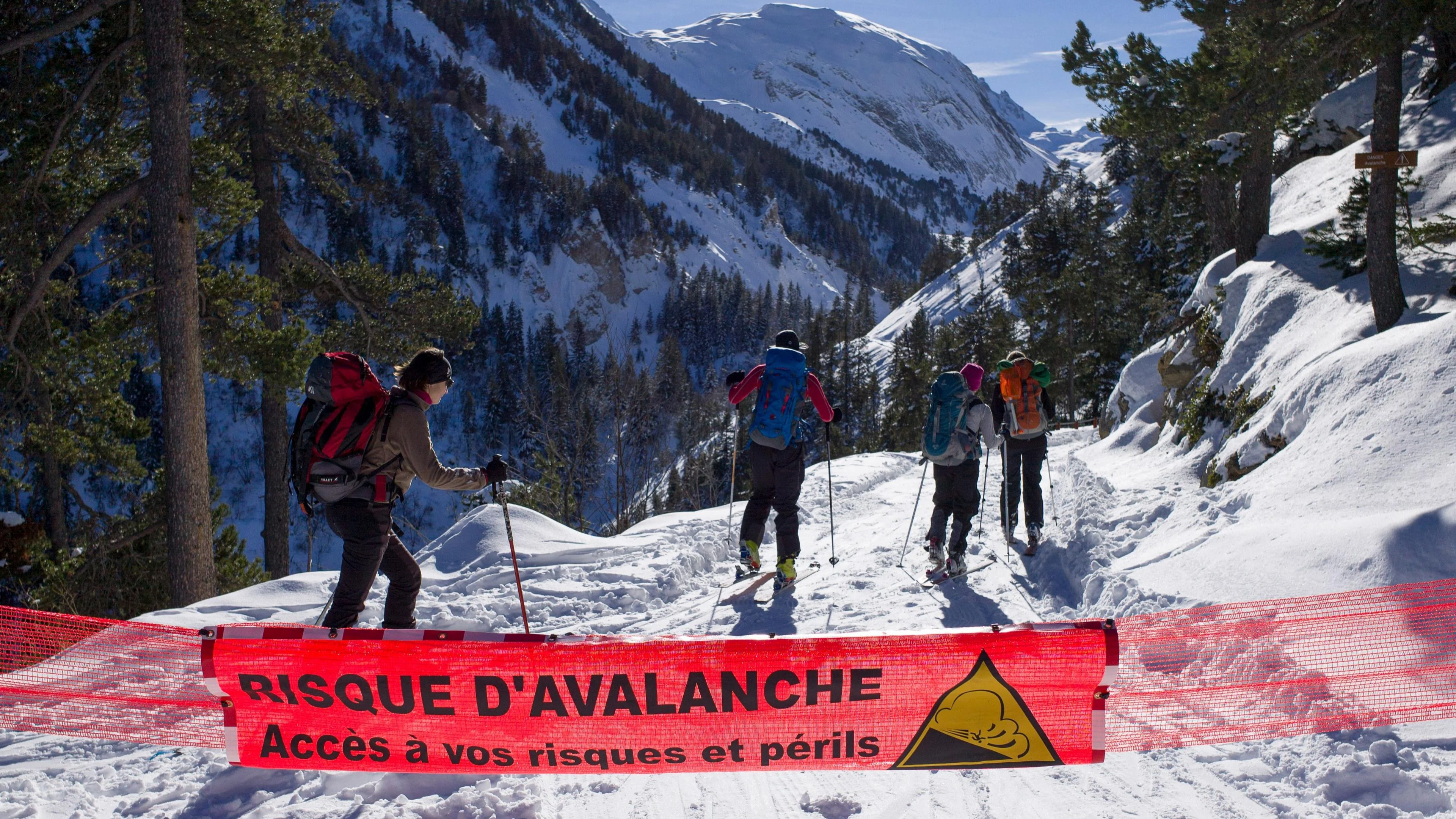
The consistent advice from avalanche experts—emphasizing diligent use of forecast information, comprehensive education, and careful preparation—underscores the susceptibility of these environments to triggering events. While the long-term effects of climate change on avalanche patterns are still being studied, the immediate concern is the current volatility of mountain conditions.
Future investigations may benefit from a deeper analysis of:
Specific geological and meteorological data for regions experiencing higher fatality rates.
Detailed human activity logs and risk assessment patterns in those affected areas.
The effectiveness of current avalanche mitigation strategies employed by resorts and authorities.
Used Sources
BBC News: https://www.bbc.com/news/articles/cn4gjqv7vl3o - Published article discussing avalanche trends and contributing factors in Europe and the US.
AOL: https://www.aol.com/articles/more-90-deaths-season-seeing-215707763.html - Published article reiterating the increase in avalanche deaths and associated destabilizing factors.
BBC News: https://www.bbc.co.uk/news/articles/c5yqgz2q58lo - Published report detailing specific avalanche incidents and fatalities in the Austrian Alps.
Miami Herald: https://www.miamiherald.com/living/article314778987.html - Published article offering advice for backcountry travelers, referencing climate change impact on avalanche risk.
Charlotte Observer: https://www.charlotteobserver.com/living/article314779059.html - Published article focusing on avalanche dangers and recommending preparedness measures for the current season.
CNN: https://www.cnn.com/2026/02/22/europe/skiing-deaths-europe-avalanches-intl-scli - Published article discussing the reasons behind increased skiing deaths in Europe, with a focus on avalanches.
The Guardian: https://www.theguardian.com/world/2026/feb/22/avalanches-climate-change-extreme-weather-ski-resorts - Published article examining the connection between climate change, extreme weather, and avalanche activity.
Kansas City Star: https://www.kansascity.com/living/article314778988.html - Published article providing essential information for backcountry travelers regarding avalanche safety.
Daily Mail: https://www.dailymail.co.uk/sciencetech/article-15567701/Europe-avalanches-deadly-winter-explained.html - Published article explaining the factors contributing to Europe's dangerous avalanche season.
Deseret News: https://www.deseret.com/lifestyle/2026/02/20/avalanche-deaths-california-utah-backcountry-danger-warning/ - Published article detailing dangerous avalanche conditions and recent fatalities in California and Utah.