VIOLENT END FOLLOWS YEARS OF CONFINEMENT AND CLAIMS OF FOREBODING
Ian Huntley, the convicted killer responsible for the murders of Holly Wells and Jessica Chapman in Soham, has died following a severe prison attack. The circumstances surrounding his death, which occurred days after he sustained life-threatening injuries, cast a grim final light on a life defined by notoriety and violence. Huntley himself had reportedly spoken of his lack of expectation regarding release from prison, noting, "I know I'm not getting out of here."
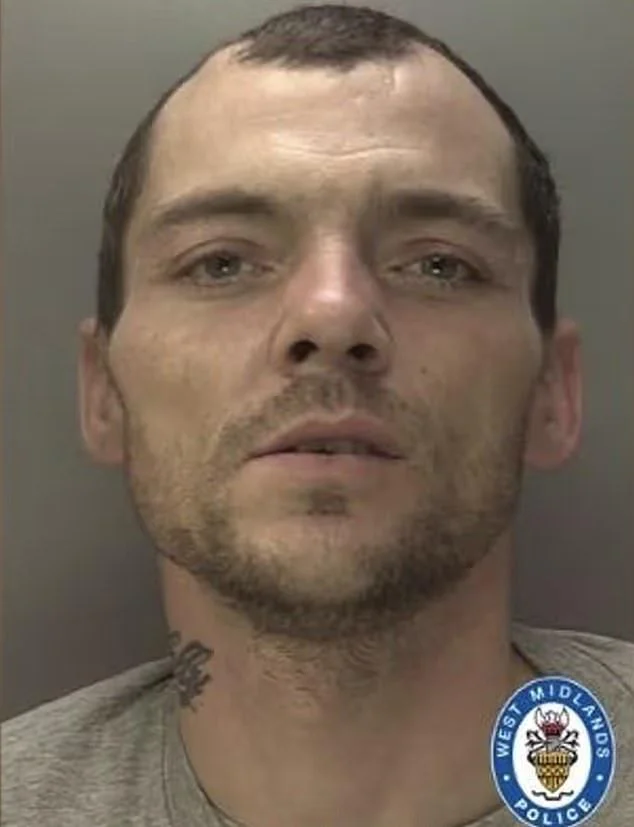
The incident leading to his demise occurred at HMP Frankland, a facility known for housing high-risk inmates. Reports suggest Huntley was the victim of a serious assault, leaving him "brain dead with no expectation of survival." His death was confirmed days later. This violent end inside a correctional facility underscores the precarious existence of those deemed irredeemable by society.
Read More: Third Teen Charged in Fatal Stabbing Near Melbourne Hospital on Wednesday

A VOICE FROM WITHIN THE WALLS
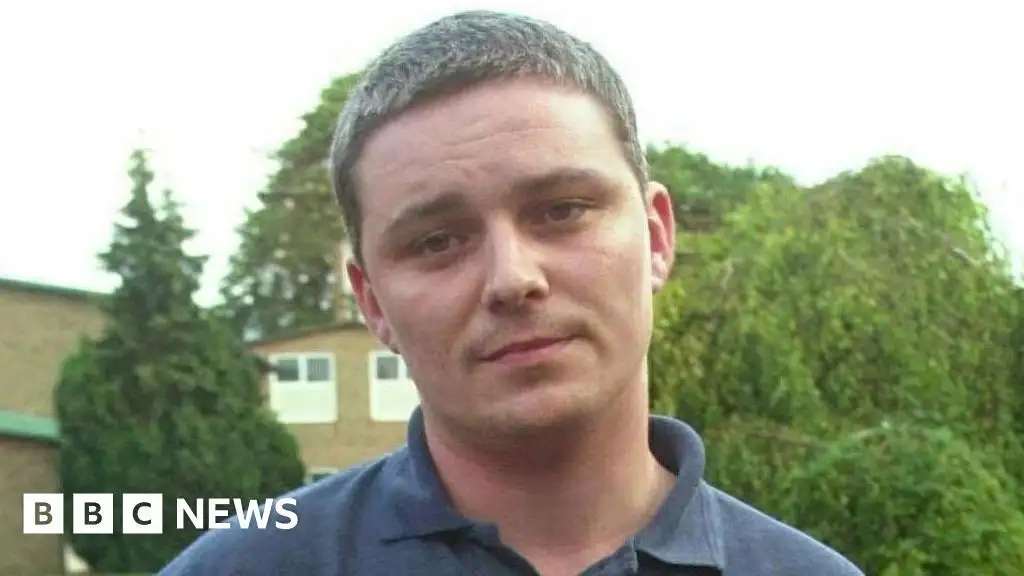
Recordings from behind bars paint a picture of Huntley’s mindset during his lengthy incarceration. He is heard reflecting on his situation, stating, “Prison is a very strange thing,” and admitting, “I think about why I am in almost every day.” These reflections, captured during his time serving a life sentence, also touched upon the mundane aspects of prison life, including complaints about the food and descriptions of his pastimes, such as playing chess and painting. He indicated a lack of desire for freedom, remarking, “I will never ever apply to leave prison.”
THE SOHAM MURDERS AND THEIR AFTERMATH
The case of Ian Huntley remains a scar on the national consciousness. In August 2002, the disappearance of ten-year-old friends Holly Wells and Jessica Chapman from their Cambridgeshire village triggered a nationwide search. Huntley, then living with his girlfriend Maxine Carr, a teaching assistant at the girls' school, became the focus of the investigation.
Read More: England World Cup Match: Pubs Open Until 5 AM Monday
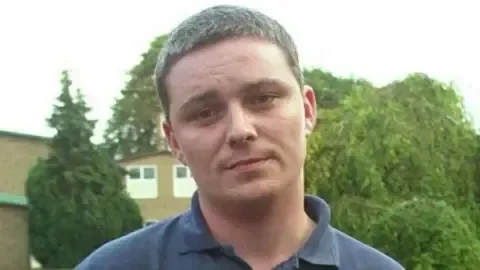
During the initial search, Huntley and Carr engaged with reporters, with Huntley claiming to be among the last to see the girls alive. Carr provided Huntley with a false alibi, for which she later served a prison sentence for perverting the course of justice.
A SHIFTING NARRATIVE
The truth of the girls' deaths emerged slowly, marked by Huntley’s changing accounts. He initially offered a story suggesting the girls had merely passed his house. This account evolved into a claim that Holly had drowned accidentally in his bath, and Jessica had suffocated while he attempted to silence her screams. Huntley's defence eventually centred on these accidental death narratives, a stark contrast to the brutal reality of the murders.
The discovery of the girls' bodies, hidden in an Ashford canal, brought a devastating conclusion to the two-week ordeal that had transfixed Britain. Huntley was eventually convicted of the murders, a verdict that brought a measure of closure, though the trauma of the events continues to resonate.
Read More: Three hearses burned in Roselands arson attack on 4 April 2026
Huntley’s time in prison was reportedly punctuated by his need to avoid and recover from attacks. Accounts from former prison staff describe him as initially carrying himself with a sense of entitlement, later becoming more withdrawn following assaults, including one where cleaning fluid was thrown in his eye. He also reportedly spent much of his later time occupied with video games.
The life of Ian Huntley, from his convicted crimes to his violent demise, serves as a dark chronicle within the broader landscape of criminal justice and societal memory.


/cloudfront-ap-southeast-2.images.arcpublishing.com/nzme/RVI7RFHOI34HTKKRUG3LS6DNVY.jpg)