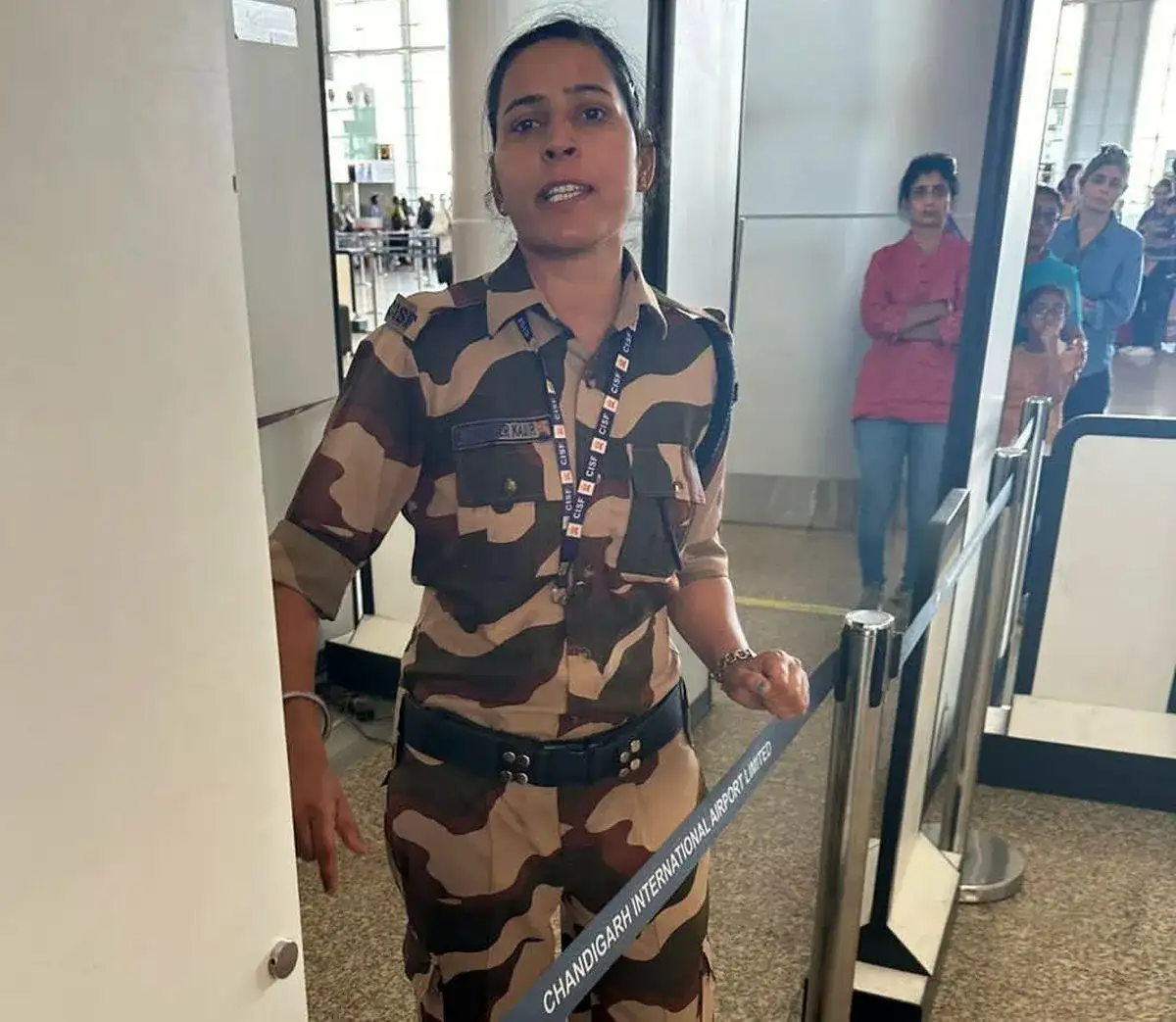
At the Kukatpally Y junction in Hyderabad, the management of mechanical flow has shifted to a different demographic. Women traffic constables now stand in the heat of Saturday surges, using physical gestures to untangle the knots of vehicles that define the city's movement. These roles extend beyond the daylight hours into night patrols, marking a transition from administrative oversight to the direct, manual regulation of the public space.
Women in uniform are no longer peripheral; they are the literal mechanism of urban discipline in high-pressure transit zones.
The labor is manual and rhythmic; arms and hands cut through the air to stop and start the heavy stream of traffic.
Saturday morning congestion at key junctions serves as the primary testing ground for this operational shift.
The transition includes "frontline" duties, a term often used to mask the grinding nature of outdoor enforcement under harsh weather.
Institutional Mechanics and Leadership
The push for women in leadership is often framed through the lens of International Women’s Day, yet the friction of the career path remains. While organizations like iRAP and Skills for Justice highlight "safer roads" and "milestones," the daily reality involves navigating structures that were not built with these bodies in mind.
Read More: Gold Coast unit fire April 2026 update on residential safety risks
| Sector | Focus Area | Stated Objective |
|---|---|---|
| Hyderabad Police | Physical Enforcement | Managing Kukatpally traffic and night security patrols. |
| Global Road Safety | Leadership Investment | Encouraging organizational spending on female senior roles. |
| UK Policing | Historical Correction | Using networks like WoCiP to fix representation gaps. |
"Policing hasn’t historically been seen as a natural career choice for women," according to industry insights. This observation ignores the deliberate exclusion practiced by these institutions for the last two centuries.
The Friction of Progress
Support networks such as the British Association for Women in Policing (BAWP) now exist to manage the "wellbeing" of female officers.
The Metropolitan Police provides "assistance," a word that suggests a power imbalance where the central authority still dictates the terms of "inclusion."
Leadership stories frequently focus on obstacles rather than the simple execution of the job, highlighting the persistent abnormality of the situation.
Background: The Temporal Lens
The visibility of women in law enforcement peaks annually around March, driven by corporate and state-led celebrations. Historically, women were barred from most policing functions. The shift began with administrative roles before moving to the physical frontline.
The "determination" of individual women is often cited as the cause for change, downplaying the structural resistance of the police service itself. Today, the Women of Colour in Public Services (WoCiP) and similar grassroots networks represent the latest attempt to bridge the gap between "permission to work" and "actual equity" in high-risk, high-stress public safety roles.