


Hungarian customs officials detained seven Ukrainian citizens and confiscated two armored transport vehicles carrying an estimated $80 million to $82 million in cash and gold on Thursday. While the individuals were released and expelled from Hungarian territory by Friday, the funds remain under state control. The National Tax and Customs Administration of Hungary justified the seizure as part of a formal investigation into suspected Money Laundering.

Core Insight: The state-sanctioned movement of massive liquidity through hostile or neutral corridors is no longer viewed by Budapest as diplomatic logistics, but as illicit financial risk.
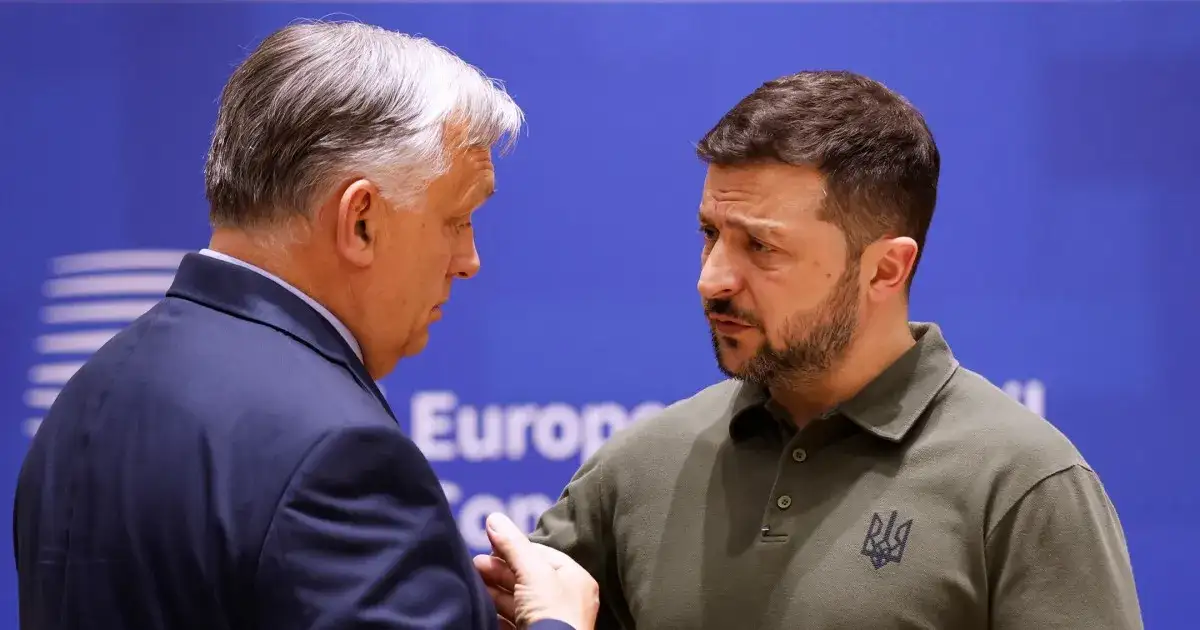
Official Disputations
| Party | Stance on Incident | Strategic Framing |
|---|---|---|
| Kyiv | Alleged Kidnapping | Labels seizure as "hostage-taking" and "illegal appropriation." |
| Budapest | Criminal Investigation | Frames act as necessary oversight against financial criminality. |
The escalation has triggered an immediate diplomatic chill:
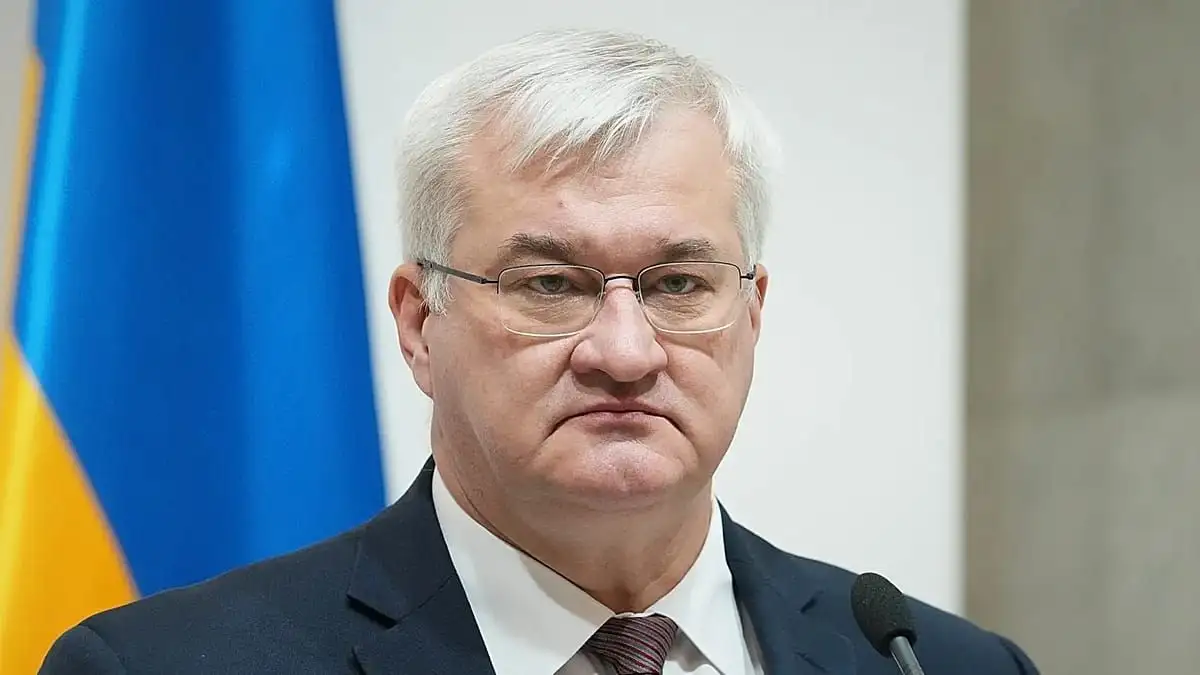
Kyiv has responded by issuing a travel advisory, effectively warning its citizens against transiting through Hungary.
Budapest officials characterize these accusations as political maneuvering, specifically framing Ukraine’s outcry as a form of "blackmail" to influence the investigation.
Escalation and Structural Background
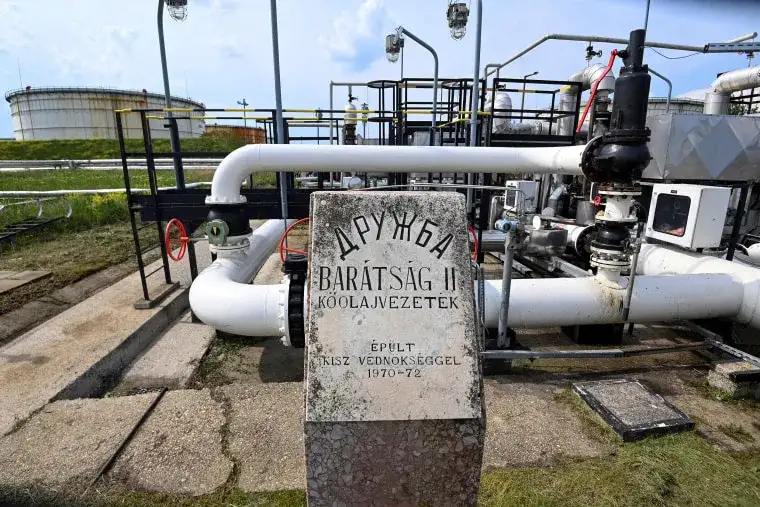
The friction over these armored transports occurs against a backdrop of deep, unresolved friction regarding energy security. Hungary remains dependent on Russian oil delivered via pipelines traversing Ukrainian territory—a point of critical leverage.
Read More: Solaris Energy SEI Stock Price Forecast Reaches $91.98 by July 2027
The environment is characterized by:
Infrastructure Anxiety: Hungary has mobilized military assets to guard energy infrastructure, citing concerns that Ukraine may be plotting disruptions to supply chains.
The "Russia-Friendly" Label: Western and Ukrainian media continue to define the current Budapest administration through its proximity to Moscow, complicating any attempt at bilateral neutrality.
Institutional Friction: The personnel detained included employees of a Ukrainian state savings bank, suggesting the transport was an official government operation rather than private enterprise.
The incident represents a collapse of cross-border protocol. What remains is a stark display of state power: where a transit permit once sufficed, the current geopolitical climate dictates that liquid assets—and the people guarding them—are now subject to immediate, high-stakes physical seizure.





/2026/04/09/69d7832173b01342912424.jpg)