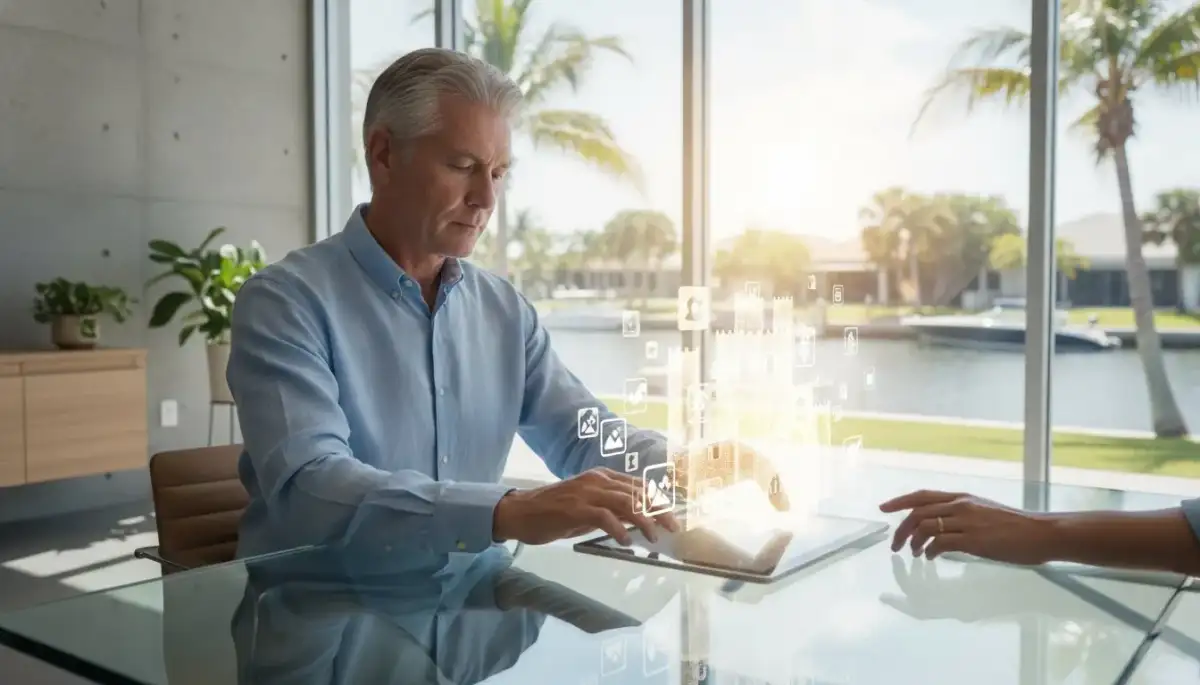
As of today, 18 May 2026, the average individual maintains upwards of 100 online accounts, creating a dense, scattered architecture of personal history that remains legally and technically inaccessible to surviving kin. Without proactive intervention, these digital assets—ranging from financial holdings to sentimental imagery—are prone to total erasure or permanent sequestration behind proprietary security walls.
Death does not trigger a transfer of account ownership; it merely triggers a wall. Access requires either pre-established legacy contacts or physical possession of recovery credentials.
Tactical Framework for Continuity
The current state of "digital inheritance" relies on three specific operational categories:

| Method | Utility | Limitation |
|---|---|---|
| Platform-Native Tools | Apple Legacy Keys, Facebook Legacy Contacts | Limited to specific, closed-ecosystem data. |
| Password Managers | Vault-sharing features for designated beneficiaries | Requires executor to possess the master key/passphrase. |
| Physical Inventory | Sealed paper manifests stored with wills | Risk of physical degradation or loss of relevance. |
Delegated Authority: One must designate a digital executor, a person legally empowered to manage, archive, or dissolve virtual footprints.
The Hardware Trap: Relying solely on platform-level settings often omits local device access. Even with a Legacy Key, PINs and secondary hardware security remain significant, unresolved friction points.
Inventory Isolation: Industry consensus suggests storing digital credentials outside of the legal will, as wills are public documents, whereas credentials require a high degree of privacy and secure custody.
Institutional Shifts
The professional estate planning sector has begun treating digital assets as essential components of a portfolio. Traditional legal documents are increasingly viewed as insufficient because they do not "know" passwords or encrypted storage.
As the volume of personal legacy managers grows, the industry is pivoting toward hybrid models. These combine traditional estate planning with dedicated, often platform-dependent, software to bridge the gap between human mortality and cold, unyielding server logic. The tension remains: as security protocols harden to protect the living, they simultaneously deepen the isolation of the deceased's remaining footprint.
Read More: Markiplier Iron Lung movie digital release on YouTube May 31 2026