Athletes are no longer just competitors on a field; they have become digital creators. From the Tokyo Games to the most recent events in Paris, social media platforms like TikTok have become a main way for the public to see what happens behind the scenes. This change creates a new kind of fame that moves faster than traditional television coverage. It also brings up questions about how much control sports organizations should have over what players post online. While some see this as a great way to connect with fans, others wonder if it takes focus away from the competition. This report looks at how athletes are using their phones to turn the Olympic Village into a global stage.
The Shift from Field to Feed
The timeline of athlete-led content shows a steady growth in how much "access" fans have to the Olympic experience.
Read More: Miami Dolphins Move James Ester to Offense Today, Changing Team Plan

2021 (Tokyo): Early adopters like Shallon Olsen and Charity Williams began sharing the reality of the Olympic Village, including the "cardboard beds."
2022 (Beijing): Winter athletes like Scotty James and Madeline Schizas shared personal moments, such as balancing schoolwork with figure skating.
2024 (Paris): This period is now called the "TikTok Olympics." High-profile athletes like Ilona Maher and Coco Gauff reached millions of followers by sharing their daily habits, outfits, and pin trading.
2026 (Upcoming): Current reports suggest a "gold rush" for digital attention is expected for the next Winter Games, with 23-person social media squads already being formed.
"During this social media era of the Olympics, endorsement deals and commercial success come to those athletes who deliver authentic, relatable content." — Syracuse University Today report.
Reported Evidence of Social Media Impact
Data from various reports shows that athletes are gaining more followers than traditional sports media outlets in some areas.
| Athlete | Sport | Content Focus | Reach/Impact |
|---|---|---|---|
| Ilona Maher | Rugby | Relatability & Humor | 5.1 million followers |
| Mackenzie Arnold | Soccer | Team Behind-the-Scenes | 42 million video views |
| Tom Daley | Diving | Village Amenities | High engagement on lifestyle |
| Sarah Nurse | Hockey | Professional/Personal mix | Leading Canadian digital presence |
The core shift is that fans now value "authentic" moments, like an athlete emailing a professor for an extension, over polished highlights.

The Mystery of Village Life
One of the most popular trends involves athletes reviewing their living conditions. These videos often focus on the food, the famous cardboard beds, and the "pin trading" culture.
Does this content help the Games by showing the human side of athletes, or does it risk making the event look less professional?
Are these reviews a way for athletes to speak their minds when they feel their needs are not being met?
Evidence shows that athletes like Harry McNulty and Tom Daley have made the Olympic Village feel like a real place rather than a restricted zone.

Changes in Official Rules
For a long time, the International Olympic Committee (IOC) had strict rules about what athletes could post. These rules were meant to protect the media companies that paid for the rights to show the Games.
In 2024, the IOC relaxed these social media policies.
This allowed athletes to post more freely from the field and the Village.
However, athletes must still wear team gear in most of their content, which limits their ability to show their own personal brand sponsors.
The Business of Being Relatable
Relatability has become a form of currency. Athletes who show "normal" behaviors—like Madeline Schizas talking about school or Tara Davis-Woodhall sharing her excitement—often see more growth than those who only post about winning.
Read More: Dancer Swirls in Termite Swarm, Echoing Taylor Swift's 'Fearless' Song
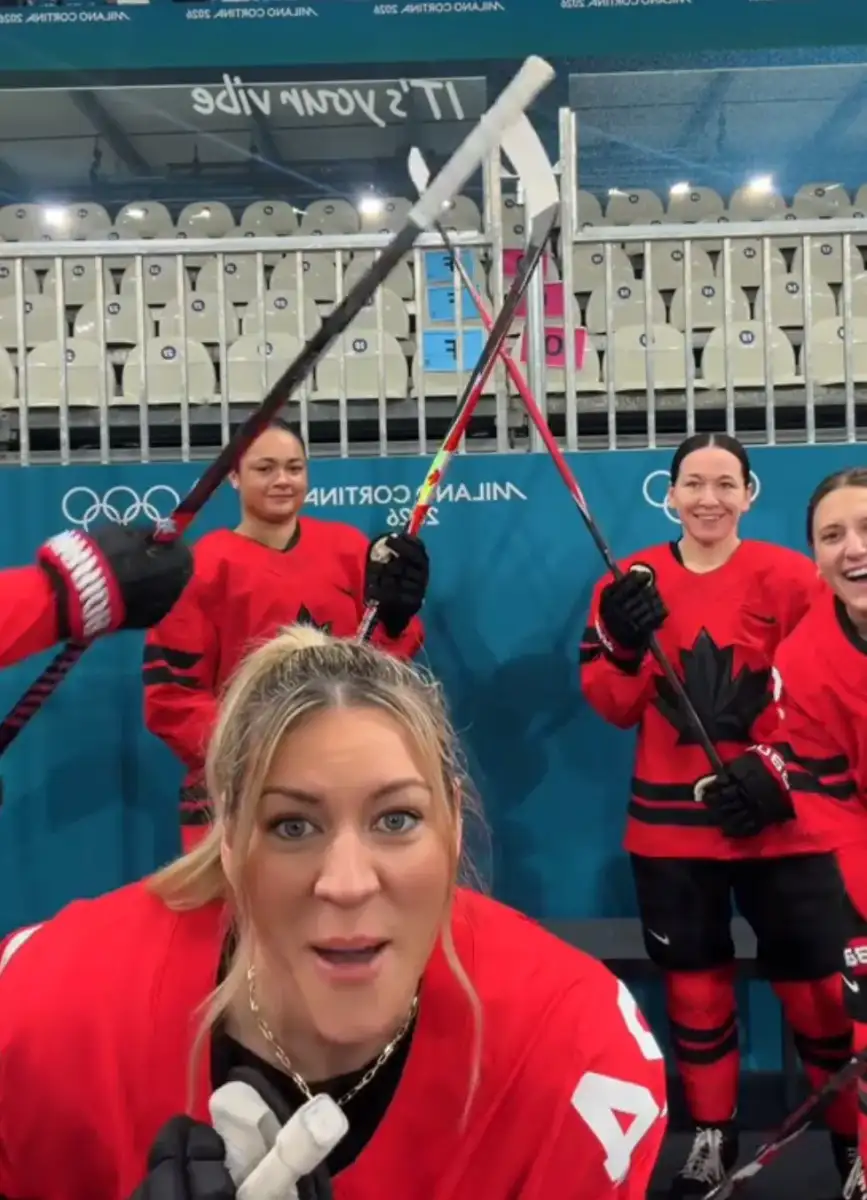
Is the "relatable" persona a natural personality trait, or is it a calculated move to get more sponsorships?
Some reports note that athletes who share their "snacking habits" or "wipeouts" (like Tim Elter) find a more loyal audience. This digital fame can lead to deals with brands like L'Oréal or Factor Meals, even for athletes who do not win a gold medal.
Professional Perspectives
Experts suggest that the power balance is shifting away from big networks toward individual athletes.
Jerman (Athletic Expert): Notes that the relaxed IOC policy acted as a "podium for athletes not ordinarily in the spotlight." This means athletes in smaller sports can now build a career through their followers.
Syracuse University Analysis: Suggests that "commercial success" now depends on sharing personal experiences. Authentic content is what a "captivated audience" wants to see most.
NBC News / ABC News: Reports acknowledge that athletes like Ilona Maher understand their platform's power to connect specifically with young women and girls, which is a key demographic for future sports growth.
Final Summary of Findings
The rise of the "TikTok Athlete" has changed the Olympics forever. The investigation finds that:
Read More: India May Not See FIFA World Cup 2026 Games: TV Deal Still Missing
Visibility has changed: Success is no longer just measured by medals, but by digital engagement and "relatability."
Control has shifted: While organizations still own the broadcast rights, athletes now own the "behind-the-scenes" narrative.
Financial goals are different: Digital fame provides a path to earn money for athletes in sports that do not usually get much TV time.
Next Steps: Future investigations should look at how these digital platforms affect the mental health of athletes who must now be both "star players" and "content creators." Observers should also watch if the IOC will return to stricter rules if athlete content begins to compete too heavily with paid broadcast partners.
Primary Sources
The Athletic: The TikTok Olympics (Context on IOC policy and Mackenzie Arnold)
Sportico: Winter Olympians TikTok Gold Rush (Rules on monetization and 2026 prep)
Business Insider: 10 Olympic Athletes Dominating TikTok (Details on Coco Gauff and Tom Daley)
Algonquin College Blog: Canadian Athletes Take Over Social Media (Madeline Schizas and sponsorship insights)
NBC Insider: Top 6 Athletes to Follow (Details on Ilona Maher and Simone Biles)
Mashable: Olympians to Follow in Paris 2024 (Information on Jasmine Schofield and Tim Elter)


.jpg?client_id=cmsfront&sign=b95639a61723a8a6171ca2e28baa20c3a19721241ed58505612a0935ec9cfa34)