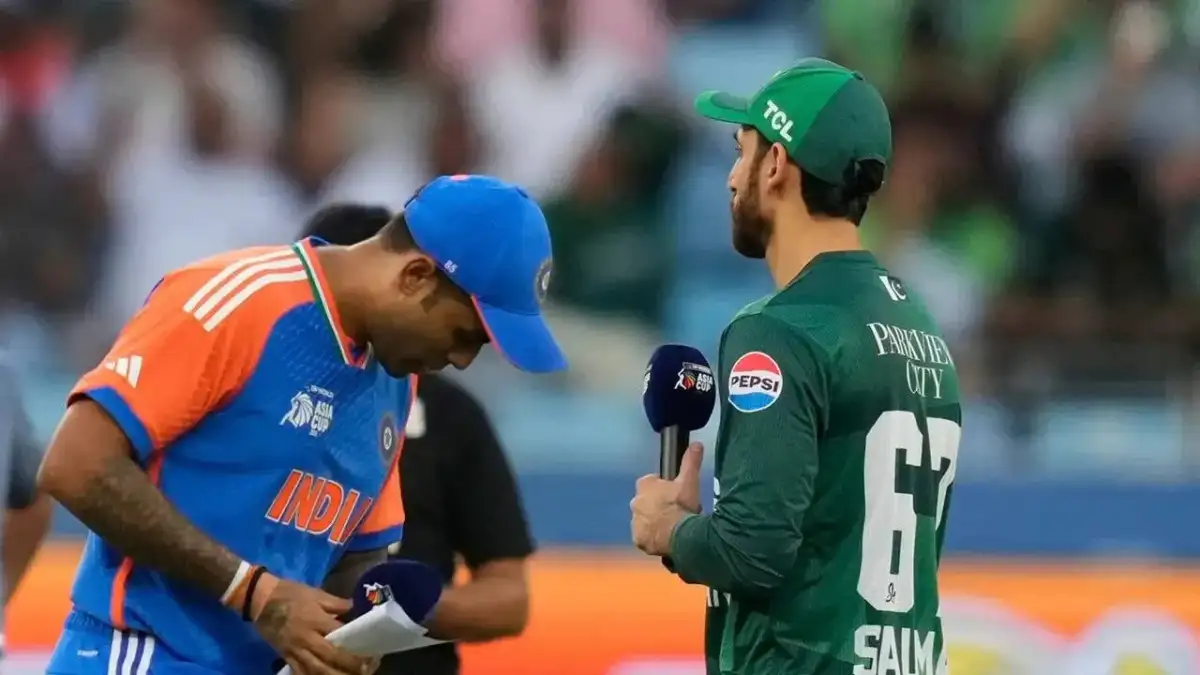
A notable absence of the customary handshake between the captains of India and Pakistan, Suryakumar Yadav and Salman Agha, occurred at the coin toss prior to their T20 World Cup match in Colombo. This gesture, a common display of sportsmanship in international cricket, was not observed, continuing a trend seen in recent encounters between the two nations. The match itself proceeded after Pakistan's government reversed an earlier threat to boycott the fixture, a decision that had only been finalized days before the scheduled game.
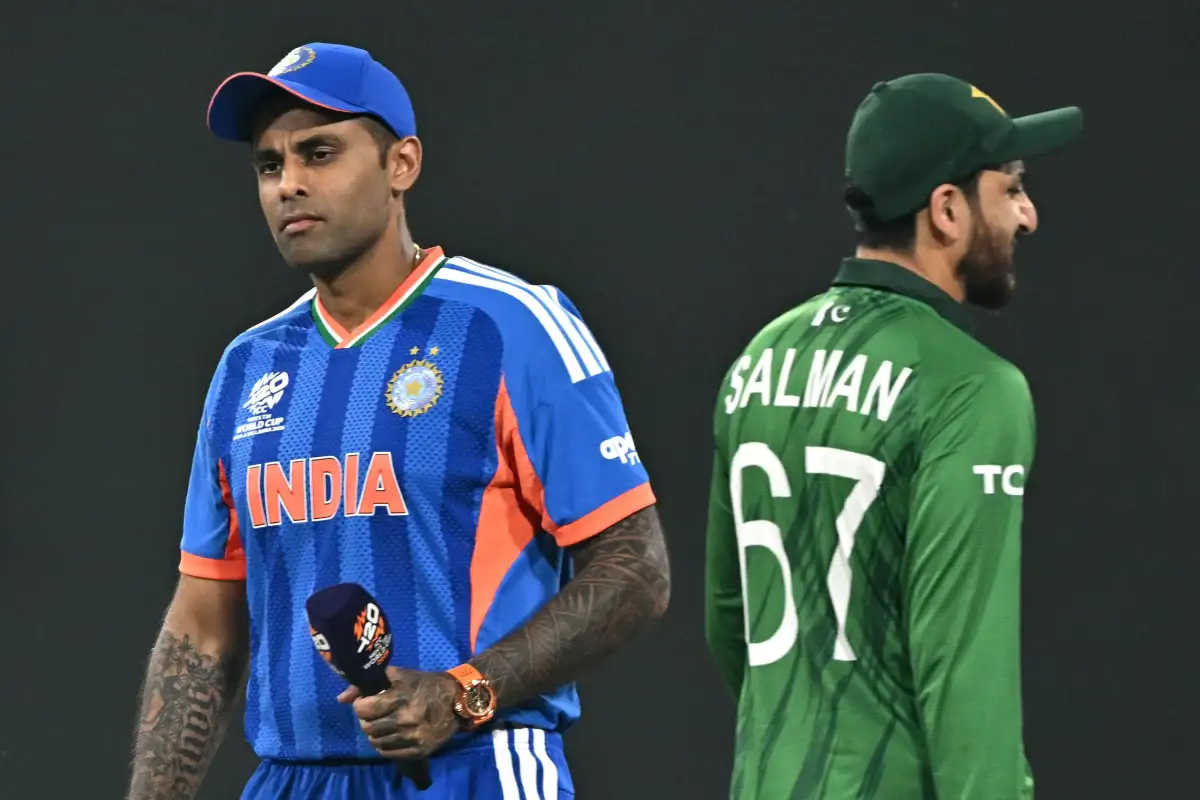
The T20 World Cup match between India and Pakistan took place in Colombo, with Salman Agha winning the toss and opting to bowl. This encounter has garnered attention not only for the rivalry on the field but also for the conspicuous lack of a handshake between the two captains during the pre-match coin toss ceremony. This has been framed as a continuation of a policy initiated in previous tournaments.
Read More: Australia T20 Cricket Team Success Ignored by Media

Historical Context and Previous Encounters
The cricketing ties between India and Pakistan have been strained for a considerable period. They have not engaged in a Test match for over 18 years, and a bilateral series across the border has not occurred for 13 years. This latest incident of the captains not shaking hands echoes similar occurrences. Notably, Suryakumar Yadav and Salman Agha also did not exchange handshakes during their three previous matches in the Asia Cup held in Dubai last year, including the final match of that tournament.
Long Hiatus in Bilateral Series: Over 18 years since the last Test match, 13 years since a bilateral series.
Asia Cup Precedent: No handshakes between captains in the 2023 Asia Cup, including the final.
Circumstances Surrounding the Match
The confirmation of the T20 World Cup match between India and Pakistan was a recent development. The Pakistan government initially signaled a potential boycott but later rescinded this threat after discussions with the International Cricket Council (ICC). This change of stance, occurring just six days before the match, underscored the complex political and sporting environment surrounding their encounters. Despite the prevailing tensions, fans, such as Sri Lankan nationals Saleem Ali and Naseem Ali, traveled significant distances to witness the game.
Read More: Summer Solstice Approaches: Northern Hemisphere Gets Longer Days

The "No Handshake" Policy
Reports suggest that the "no handshake" is a deliberate stance by the Indian team. One article cites a BCCI official who confirmed that the policy would continue, linking it to the emotions surrounding the "Pahalgam terror attack" in April. This implies that the decision is not solely at the discretion of the captains but reflects a broader sentiment. The article also mentions a backlash following Suryakumar Yadav's handshake with PCB chairman Mohsin Naqvi at a pre-tournament press conference, suggesting that public perception and political sensitivities play a role.
Stance Linked to Political Events: Indian team's policy reportedly connected to the Pahalgam terror attack.
Public Reaction: A handshake with PCB chairman Mohsin Naqvi drew criticism.
Absence of Mandatory Rules
While the "Spirit of Cricket" code, particularly as advocated by the Melbourne Cricket Club, encourages courteous behavior including handshakes, there appears to be no explicit rule mandating such an interaction between captains at the toss. Pakistan captain Salman Agha himself has acknowledged this, stating that while Pakistan would uphold the spirit of cricket, the decision rested with India. He also made a contentious claim that Suryakumar Yadav had privately shaken hands earlier in the Asia Cup, despite public avoidance. The ICC has reportedly informed the PCB that it does not mandate handshakes during matches, leaving such decisions to individual teams.
Read More: England Cricket Captaincy: Harry Brook Leads Race After Stokes Quits
No ICC Mandate: The ICC does not compel teams to shake hands.
Captain's Statements: Salman Agha indicated Pakistan's willingness, placing the onus on India.
Contested Private Handshake: Allegations of a private handshake by Suryakumar Yadav in the past.
Expert and Official Commentary
The decision by the captains to forgo a handshake has not gone uncommented. While some express disappointment, others acknowledge the lack of mandatory rules. The continued absence of this gesture underscores the persistent political undertones that permeate sporting interactions between India and Pakistan. The BCCI official's confirmation of a continuing policy suggests a degree of official endorsement behind the captains' actions.
Official Confirmation: A BCCI official confirmed the continuation of the "no handshake" policy.
Player Actions: The captains' actions reflect a deliberate choice rather than an oversight.
Conclusion and Implications
The absence of a handshake between Suryakumar Yadav and Salman Agha at the T20 World Cup toss is a visible manifestation of the complex and often strained relationship between India and Pakistan, extending into the sporting arena. This act, while not mandated by rules, carries symbolic weight. It continues a pattern established in recent encounters, influenced by political events and potentially reflecting broader public sentiment. The situation highlights the intersection of sports, politics, and national sentiment, where symbolic gestures, or their absence, can convey significant messages. The future of such interactions will likely depend on the evolving political landscape and any directives from the respective cricket boards.
Read More: Oil Prices Drop, Markets Rise on Strait of Hormuz Reopening Hopes
Symbolic Significance: The gesture, or lack thereof, carries symbolic weight beyond the game itself.
Pattern Continuation: The event marks a continuation of a trend observed in recent India-Pakistan cricket matches.
Future Outlook: Future interactions may be shaped by political developments and official board policies.
Sources Used:
france24.com: https://www.france24.com/en/live-news/20260215-no-handshake-between-india-pakistan-captains-before-t20-world-cup-clash - General report on the event.
independent.co.uk: https://www.independent.co.uk/sport/cricket/india-pakistan-t20-world-cup-b2920741.html - Details on the handshake absence and Pakistan's boycott threat.
ndtvprofit.com: https://www.ndtvprofit.com/sports/cricket-t20-world-cup-2026-india-vs-pakistan-match-colombo-teams-handshake-11006935 - Contextualizes the no-handshake trend and mentions hockey sportsmanship.
timesnownews.com: https://www.timesnownews.com/sports/cricket/ind-vs-pak-will-india-and-pakistan-handshake-in-t20-world-cup-2026-do-icc-rules-force-teams-to-shake-hands-article-153616095 - Explains the absence of mandatory rules and quotes Salman Agha.
timesofindia.indiatimes.com: https://timesofindia.indiatimes.com/sports/cricket/icc-mens-t20-world-cup/no-handshake-at-toss-indias-stance-against-pakistan-continues-in-t20-world-cup-despite-calls-for-spirit/articleshow/128382443.cms - Details India's stance and its continuation from the Asia Cup.
mathrubhumi.com: https://english.mathrubhumi.com/sports/cricket/india-vs-pakistan-t20-world-cup-match-no-handshake-coin-toss-gwh7loec - Reports the event and lists the teams.
tribuneindia.com: https://www.tribuneindia.com/news/t20-world-cup-2026/t20-world-cup-india-to-continue-with-its-no-handshake-policy-against-pakistan/ - Confirms the continuation of the policy and links it to the Pahalgam attack.
deccanherald.com: https://www.deccanherald.com/sports/cricket/t20-world-cup-2026-wait-for-24-hours-india-pakistan-captains-remain-non-committal-on-customary-handshake-3898814 - Reports on the captains' non-committal stance prior to the match.
etnownews.com: https://www.etnownews.com/sports/will-india-shake-hands-with-pakistan-in-t20-world-cup-2026-clash-the-origin-of-the-no-handshake-row-explained-article-153616896 - Discusses the origin and explanation of the no-handshake row.