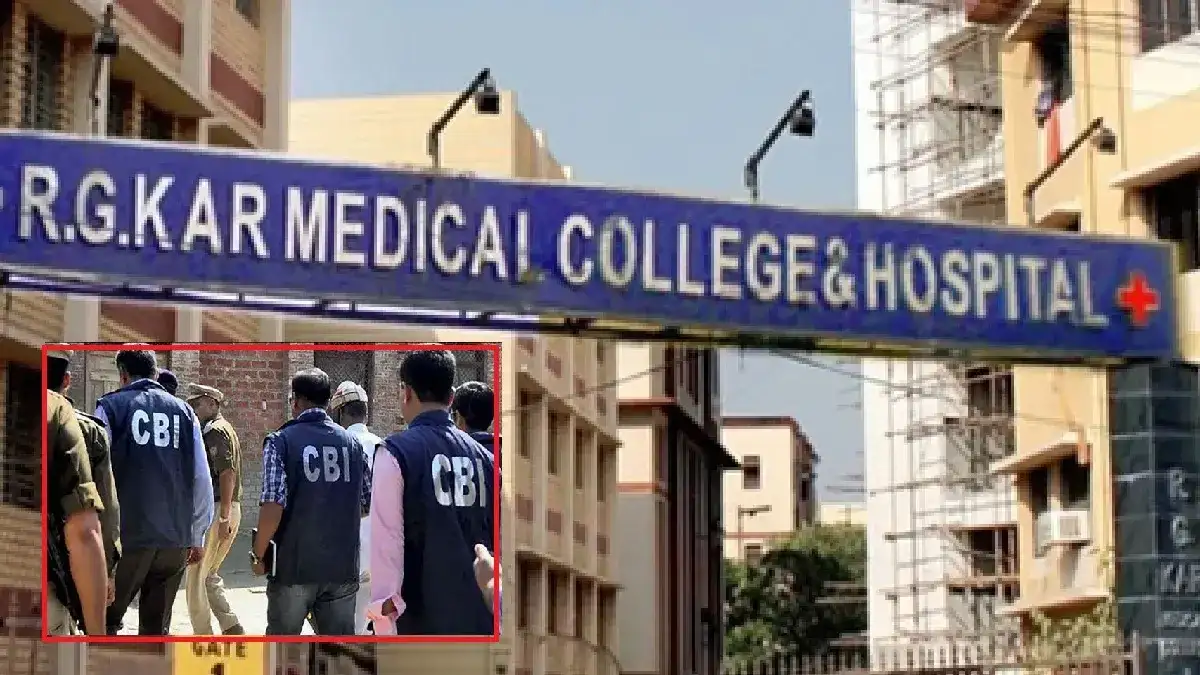
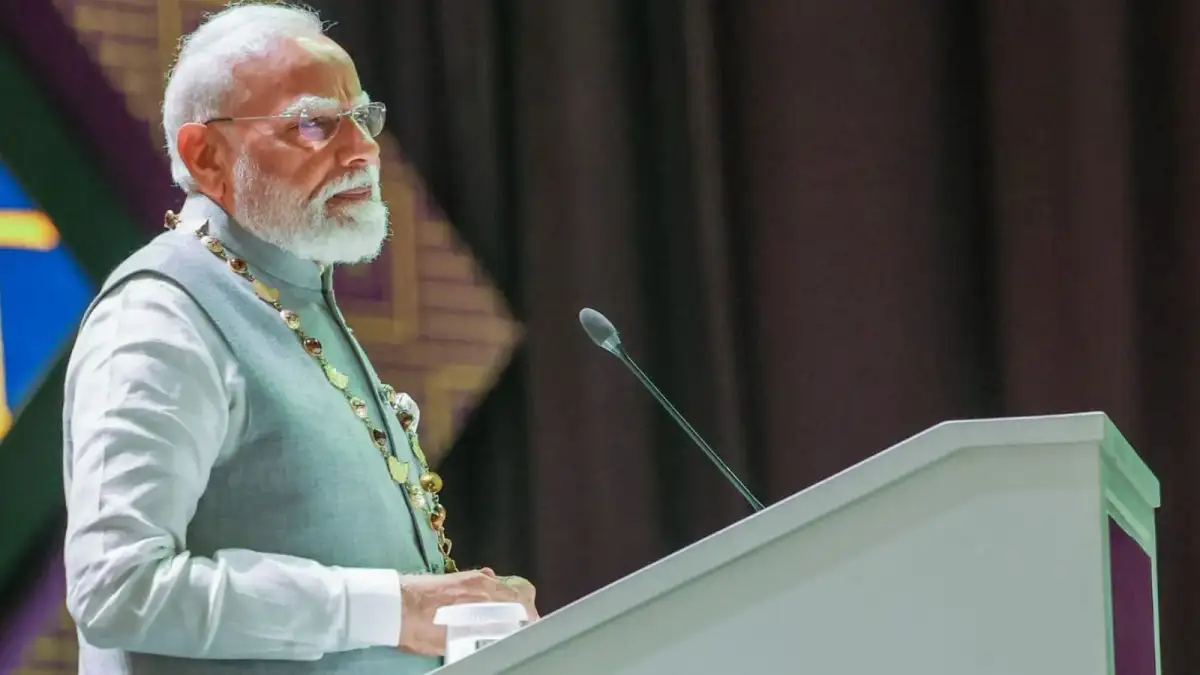
The Bharatiya Janata Party (BJP) is preparing a large-scale political campaign in West Bengal. This plan involves a series of mobile rallies, known as Rath Yatras or Parivartan Yatras, aimed at reaching voters across the state before the upcoming Assembly elections. High-ranking leaders, including Prime Minister Narendra Modi and Home Minister Amit Shah, are scheduled to participate in these events. The strategy focuses on traveling through all 294 voting districts to highlight local problems and present the party as a better choice than the current government.
The success of this plan depends on the party's ability to move through different regions without legal or administrative delays. These tours are a familiar tool for the BJP, having been used in past years to grow their presence in the state. However, the plan also brings back a history of disagreement between the BJP and the state government over travel permissions and safety rules. This campaign represents a major push by the party to win over rural and city voters alike.
Read More: Taiwan Holds Nantou County Drills to Prepare for State Collapse
Recent Campaign Timeline and Major Actors
The current campaign involves a complex schedule and many central leaders. Suvendu Adhikari, the Leader of the Opposition in West Bengal, has stated that these tours will happen before elections in every state.
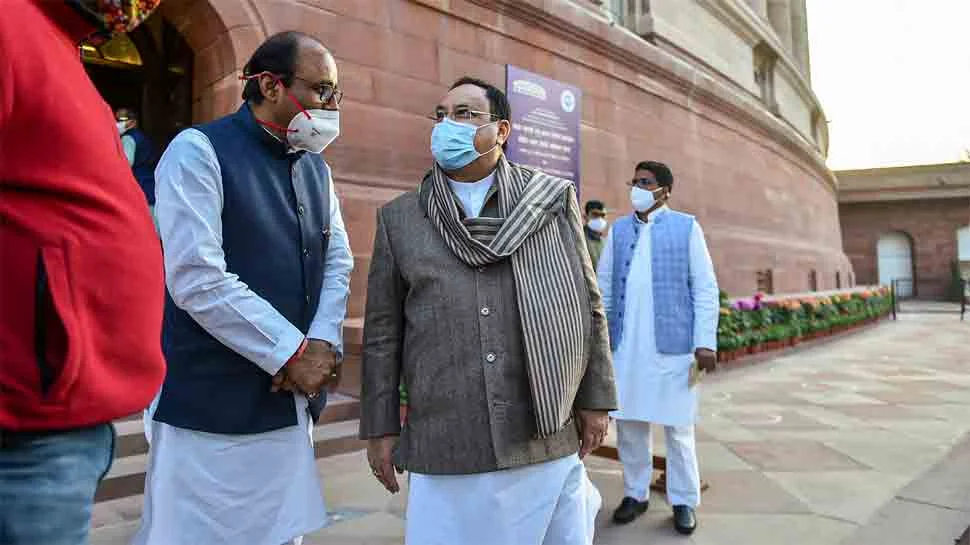
Key Participants: Narendra Modi, Amit Shah, J.P. Nadda, Rajnath Singh, Nitin Gadkari, and Devendra Fadnavis.
February 14, 2026: Senior leaders met in Kolkata to plan the final election strategy.
Late February 2026: Amit Shah scheduled a short visit to Mayapur and Kolkata to check preparations.
March 1–2, 2026: The official start dates for the nine planned tour routes.
March 15, 2026: A planned "Mega Rally" at the Brigade Parade Ground in Kolkata, where the Prime Minister is expected to speak.
The BJP intends to use nine different routes that will eventually meet in Kolkata to show a united front against the ruling party.
Evidence: Tour Schedules and Locations
The following data shows the planned starting points for the two phases of the campaign. The goal of these routes is to cover every constituency in the state.
| Phase | Start Date | Starting Locations | Key Figures Involved |
|---|---|---|---|
| Phase 1 | March 1 | Cooch Behar Dakshin, Krishnanagar Dakshin, Garbeta, Raydighi, Kulti | Nitin Naveen, J.P. Nadda, Amit Shah |
| Phase 2 | March 2 | Islampur, Sandeshkhali, Hassan, Amta | Shivraj Singh Chouhan, Dharmendra Pradhan |
| Finale | March 15* | Brigade Parade Ground, Kolkata | Narendra Modi |
*Note: The March 15 date is tentatively planned based on party sources.
Deep Dive: Strategy and Administrative Hurdles
1. Reaching Every Corner of the State
The BJP has designed this campaign to visit all 294 Assembly seats. By using "rath" (buses or modified vehicles), the party aims to speak directly to rural voters who may feel ignored by the central government in Kolkata.

Is the use of nine different starting points a way to bypass traffic and local security blocks?
Can the party effectively manage the logistics of nine simultaneous tours across diverse terrains?
2. Legal Friction with the State Government
Historically, the West Bengal government has asked the BJP to seek permission from local district leaders rather than giving a single state-wide permit.
Read More: Om Birla asks West Bengal MLAs for solutions, not just criticism
In 2021, the state government told the BJP that local police must approve each route for safety reasons.
BJP leaders, like Dilip Ghosh, have previously claimed that the state government uses these rules to delay or stop their political work.
The ruling Trinamool Congress (TMC) often points to potential "law and order" problems as the reason for strict checks.
3. The Competition for Identity
While the BJP uses these tours to gather "anti-incumbency" (people unhappy with the current leaders), the TMC has started its own religious and cultural events. For example, Mamata Banerjee has organized a grand tour in Digha to celebrate the same traditions.

Does the focus on these tours suggest that both parties believe cultural and religious symbols are the best way to win votes?
Are voters more interested in these large displays or in specific local welfare schemes?
Expert Analysis
Political analysts note that these tours are a "game changer" because they force party workers at the local level to become active.
"The purpose is to activate the army of booth-level workers and give confidence to nervous voters," according to an analysis by India Today.
Experts from Devdiscourse point out that while the BJP focuses on rural grievances, the TMC counters by focusing on their welfare programs. The timing of the tours is also important; the BJP has agreed to pause the program on March 3 and March 4 for the Holi and Dol Yatra festivals. This shows an effort to respect local customs while maintaining a political presence.
Investigation Findings
The investigation into the BJP's "Rath Yatra" strategy reveals a well-organized plan to use large-scale travel to create political momentum.
Read More: FBI Analysts Review Georgia 2020 Election Data in Fulton County
Unified Goal: The party is not just holding rallies; it is moving multiple "chariots" toward a single point in Kolkata to show strength.
Persistent Strategy: This is the third major attempt (after 2018 and 2021) to use this specific method in West Bengal, despite past legal battles.
Top-Heavy Support: The involvement of almost every senior Union Minister indicates that the central party views West Bengal as a top priority.
Uncertainties: It remains unclear if the state government will grant all necessary permissions for the March 1 start date. Additionally, the exact date for the Prime Minister's rally is still being discussed by party insiders.
The next step for the party involves submitting two separate lists of candidate names for each of the 294 seats to the high command, ensuring that the momentum from the tours leads directly into the election process.