Automakers operating in Australia are facing the possibility of significant financial penalties due to new vehicle emissions regulations. The recently implemented New Vehicle Efficiency Standard (NVES) sets stricter limits on carbon dioxide (CO2) emissions for new cars. Companies that do not meet these targets may be required to purchase emissions credits or face fines. The initial reporting period has revealed a split among manufacturers, with some exceeding their targets and generating credits, while others have fallen short, creating potential liabilities.
Context of the New Vehicle Efficiency Standard
The NVES was introduced in Australia with the aim of reducing vehicle emissions. The regulations set specific CO2 emission limits for new vehicles, with targets becoming progressively tighter.
The emission limit for passenger cars was reduced from 141g/km to 117g/km starting in January of the current year (2026).
The first reporting period for the NVES, known as the 'interim emissions value' (IEV), covered July 1, 2025, to December 31, 2025.
Results for this period are set to be publicly announced in February 2026.
The scheme applies to all new passenger and light commercial vehicles sold with a mass of less than 4.5 tonnes.
Manufacturer Performance in the Initial Reporting Period
The initial six months of the NVES have shown varying levels of compliance among car manufacturers.
In total, companies earned 17.2 million credits for surpassing their emission targets.
Conversely, 19 companies missed their targets. These companies could face penalties if their performance does not improve over the next two-and-a-half years.
The combined potential liability for those who missed their targets was 1.3 million tonnes of excess emissions.
"Two-thirds of car makers beat their emissions targets, including brands like Toyota that had flagged concerns that the scheme could be too punishing on an industry that planned production three years in advance, and would have little time to adjust."
Brands Facing Potential Liabilities
Several prominent car brands are identified as having missed their initial emissions targets and could be subject to fines.
Read More: Antarctic Sea Ice Changes Due to Ocean Waves
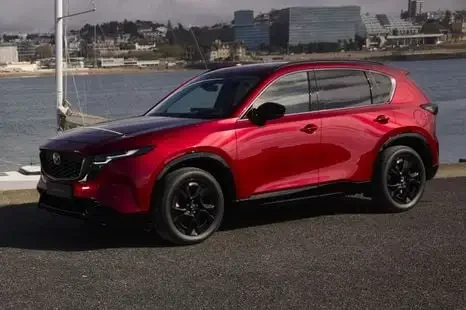
Mazda and Nissan are noted as topping the list of brands that did not meet the Australian CO2 rules.
Other brands that missed their targets include Hyundai, General Motors, Honda, Porsche, Ferrari, and Jaguar.
Reports suggest that brands like Ford, GWM, Isuzu Ute, Mazda, Mitsubishi, and Nissan may not meet the targets for Type 2 vehicles (utes, vans, etc.).
Similarly, Ford, Hyundai, GWM, Kia, Nissan, Mazda, and Mitsubishi are among the best-selling brands predicted to miss the Type 1 vehicle target (passenger cars and SUVs).
Mechanisms for Compliance and Avoidance
Manufacturers have several options to comply with the NVES and avoid penalties.
Earning Credits: Companies that beat their targets are awarded credits that can be sold to other manufacturers needing to offset excess pollution.
Introducing Low-Emission Vehicles: This includes electric, hybrid, and more efficient internal combustion engine options.
Adopting New Technologies: Investing in and implementing cleaner vehicle technologies.
Purchasing Credits: Buying credits from manufacturers that have a surplus.
Adjusting Vehicle Lineups: Some companies are discontinuing models or engine types with high CO2 emissions.
"The NVES has tightened already from January of this year, with the emissions limit on passenger cars falling from 141g/km to 117g/km, pushing more vehicles into the column that will incur liabilities for car makers, and generating fewer credits for those still below the limit. It will mean those companies will have to change what they sell in future years if they want to avoid generating even larger liabilities."
Industry Concerns and Potential Price Increases
Automakers and industry bodies have expressed concerns about the impact of the NVES.
Some brands have warned that showroom prices will rise to cover the cost of potential fines. Hyundai and Ford are cited as examples of companies that have already begun increasing prices.
Industry expert Matt Hobbs stated that some carmakers face a substantial task in changing the vehicles they sell in Australia.
The peak body, the MTAA (Motor Trades Association of Australia), has called for greater protections for car dealers, citing increased costs for carmakers to meet NVES requirements.
There is a possibility that some manufacturers might raise prices, reduce production of high-emission vehicles, or even exit the Australian market if they cannot meet the new standards.
"The government has exposed the car brands that did or didn't meet the government's tough CO2 emissions rules for new vehicles – and it's good news for BYD, but not Mazda."
Government Stance and Transparency
The Australian government is taking a transparent approach to the implementation of the NVES.
The government intends to publicly name and shame car manufacturers that fail to meet CO2 targets.
The interim emissions value (IEV) for each carmaker will be announced, indicating their compliance status.
This public disclosure is intended to create accountability and encourage improvements in emissions performance.
Expert Analysis
Matt Hobbs, an auto industry expert, commented on the early stages of the NVES, noting the significant adjustments required by some manufacturers. He highlighted the tightening of emission limits and the subsequent increase in liabilities for vehicles that exceed these new standards.
"As car brands modernise their vehicle lineups to meet NVES standards, the MTAA urges the government to protect small businesses. They may also raise prices, cut back on high-emission car production, or exit the Australian market if they cannot meet the new standards."
Conclusion and Future Implications
The initial results of Australia's New Vehicle Efficiency Standard reveal a clear division among car manufacturers regarding their compliance with new CO2 emission targets. While many brands successfully generated credits by exceeding targets, a significant number, including prominent names like Mazda and Nissan, fell short, potentially facing substantial financial penalties. The tightened regulations, particularly the reduced emission limits for passenger cars, are forcing automakers to re-evaluate their product offerings in Australia.
Read More: Nissan Kicks 2026 and Kickers Shoes Both Popular Online
Potential Liabilities: Companies that missed their targets face liabilities that could amount to significant financial penalties if improvements are not made.
Market Adjustments: Manufacturers are already taking steps such as discontinuing certain models and increasing prices to cope with the new standards and potential fines.
Transparency: The government's commitment to naming and shaming non-compliant brands signals a move towards greater accountability in the automotive sector.
Industry Adaptation: The NVES is driving a shift towards lower-emission vehicles, and manufacturers will need to continue adapting their strategies to meet evolving environmental standards. The next two-and-a-half years will be critical for companies that are currently underperforming to demonstrate substantial improvements.
Sources Used:
The Guardian: https://www.theguardian.com/environment/2026/feb/18/carmakers-face-possible-heavy-fines-in-australia-for-failing-to-meet-climate-targets
ABC News: https://www.abc.net.au/news/2026-02-18/new-vehicle-efficiency-standard-results-mazda-nissan-penalties/106358770
Drive: https://www.drive.com.au/news/mazda-nissan-top-list-of-car-brands-that-didnt-meet-australian-co2-rules/
news.com.au: https://www.news.com.au/technology/motoring/australian-carmakers-face-reckoning-as-new-emissions-rules-expose-dirtiest-brands/news-story/615badd8868611170793a663e122bc6c
Carexpert: https://www.carexpert.com.au/car-news/car-brands-face-2-8-billion-bill-under-new-emissions-regulations-peak-body
AfMA: https://afma.org.au/car-brands-could-face-2-8-billion-in-fines-due-to-nves/
Whichcar: https://www.whichcar.com.au/news/federal-government-name-shame-car-makers-failing-meet-co2-targets
Carsguide: https://www.carsguide.com.au/car-news/car-brands-to-be-named-and-shamed-in-2026-100479?msockid=00ba72c57e0a629e1d4165c17fba63c0