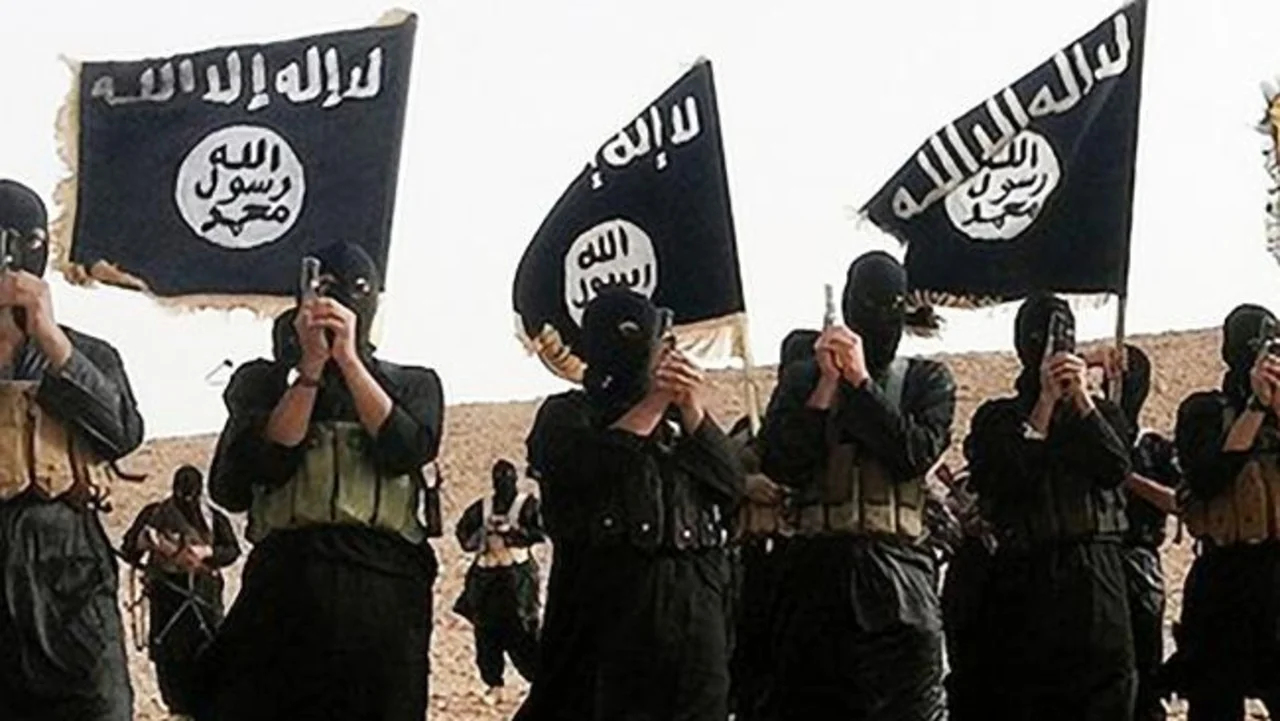
The return of Australian women and children from displacement camps in Syria has become a significant point of discussion for the federal government. Home Affairs Minister Clare O'Neil has described the situation as an "enduring problem" that requires careful management. Recent events involve a small number of citizens who have traveled back to Australia, sparking a debate on national security and the legal rights of citizens. While some of these individuals were children when they left, others are adults who lived in areas once controlled by the Islamic State (IS). The government faces the challenge of managing their arrival while ensuring the safety of the broader community.
Background and Timeline of Events
The movement of Australian citizens from Middle Eastern camps back to domestic soil has happened in stages.
Late 2022: Minister Clare O'Neil and Minister Chris Bowen defended the decision to allow the return of families after discussions with local leaders in Sydney.
Last Year: A group consisting of six women and children reached Australia. They reportedly traveled to the Australian embassy in Beirut to obtain passports.
October 2025: Reports confirmed that a small group of women, often referred to as "ISIS brides," and their children arrived home quietly.
Read More: How Australian Passports for ISIS Members Affect National Security
The process for their return involved several official steps. Individuals underwent DNA testing to confirm their identity and security checks to assess potential risks. Once these checks were passed, they were issued Australian travel documents.
Recorded Data on Returns
The following table summarizes the known details regarding the individuals returning from Syrian displacement camps.

| Category | Details Provided |
|---|---|
| Group Size | Small groups; one specific group included six people. |
| Documentation | Australian passports issued after identity verification. |
| Security Measures | DNA testing and security vetting prior to travel. |
| Travel Route | Movements often involve traveling through Beirut, Lebanon. |
| Core Signal | The government maintains that returns are managed via standard legal identity processes rather than active extraction missions. |
Perspectives on National Security and Monitoring
"They can be monitored more safely at home." — Dennis Richardson, former ASIO chief.
A central part of the discussion is whether it is safer for Australia to have these individuals remain in overseas camps or return to Australian soil. Dennis Richardson argued that bringing citizens back allows security agencies to keep a closer watch on them. This view suggests that leaving people in camps could lead to further radicalization or loss of oversight.
Opposing Views on Entry Controls
There is a clear difference in how political groups believe these returns should be handled:
Read More: How Mitch Creek's Return to the Boomers Affects FIBA World Cup Qualifiers
The Government Position: The current administration states it does not actively help these individuals return. However, as citizens, these people have a legal right to seek travel documents if they reach an embassy.
The Opposition Position: Members of the Opposition have called for a two-year exclusion order. This would effectively block individuals from entering the country for a set period, even if they hold citizenship.
Voluntary Participation vs. Coercion
Evidence regarding why these women were in Syria varies significantly between cases.
Some individuals reportedly traveled to IS-controlled areas knowingly and of their own free will.
Other women claim they were coerced or forced by family members to travel.
A large portion of those returning are children who had no choice in their relocation to the conflict zone.
The government has not released specific details on which individuals fall into which category, citing privacy and security reasons.
Read More: Why Union Minister Kiren Rijiju Calls Rahul Gandhi Dangerous for India's Security
Expert Analysis
Experts in national security suggest that the return of these families is a legal necessity that carries long-term responsibilities. By issuing passports and allowing return, the state fulfills its obligation to its citizens. However, the "enduring" nature of the problem, as mentioned by Clare O'Neil, implies that the work does not end at the airport.
The focus now shifts to reintegration and monitoring. If an individual is found to have committed a crime, the legal system must determine the outcome. If they are deemed a lower risk, social services may be involved to help children adjust to life in Australia.
Findings and Next Steps
The investigation into the return of IS-linked families reveals several confirmed facts:
Australian citizens are successfully reaching embassies and obtaining travel documents.
The government utilizes DNA and security vetting before allowing travel.
Security experts generally prefer domestic monitoring over leaving citizens in foreign camps.
Read More: How ASX Bank and Miner Swings Affect Australian Investors
Unanswered Questions:
To what extent did the government provide "indirect" support for these travels?
What specific monitoring measures are being applied to those who have already returned?
The situation remains active as more individuals may attempt to leave Syrian camps. The Australian government will likely continue to balance the legal rights of these citizens against the security concerns raised by the Opposition and the public.
Sources Used
SBS News: Who are the Australians with IS links seeking to return?
Context: Details the legal rights of citizens and the Opposition's stance on exclusion orders.
News.com.au: ISIS brides return to Australia from Syria
Context: Reports on the quiet return of a group in October 2025 and mentions DNA/security checks.
Sky News Australia: Clare O'Neil and Chris Bowen defend return of ISIS families
Context: Provides the political background and the government's defense of the policy in 2022.
Read More: Man Arrested Near U.S. Capitol With Loaded Shotgun and Tactical Gear Changes Security Concerns