A group of 34 Australian women and children, held in a detention camp in Syria, faced a sudden turn of events recently. After being released into the care of relatives and starting their journey towards leaving Syria, they were told to stop and return to the camp. This situation highlights the complex issues for nations when citizens linked to past conflicts seek to come home. The Australian government states it will not help this group return, raising questions about citizenship rights and national security plans. This event comes after some Australians from similar camps successfully returned home last year without government help, showing different ways people might try to come back. The outcome for this group and others in Syrian camps remains unclear.

Events and Actors
The group of 34 Australian women and children had been living in Roj detention camp in northern Syria. These individuals are reported to have links to the Islamic State group.
Read More: Karoline Leavitt White House Press Secretary Job Unsteady After Criticism

February 16, 2026: The group was released from Roj camp.
Relatives, including two men, came to the camp.
Rashid Omar, a camp official, said the men showed temporary Australian passports for the families.
The men stated they had worked with Syrian officials to move their family members from the camp to Damascus and then to Australia.
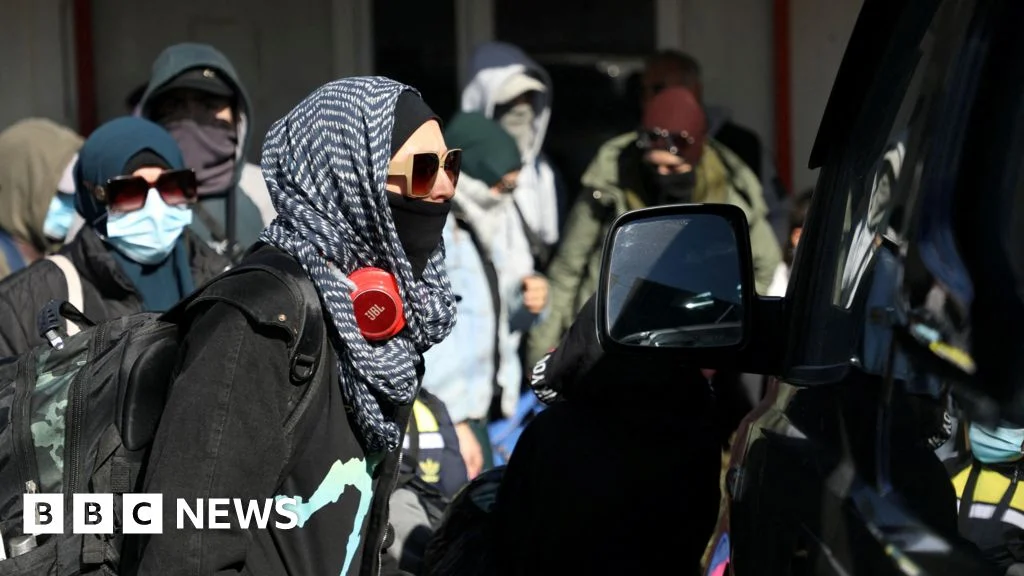
The women and children got into small vans, with some covering their faces.
They began their trip towards Damascus with a military escort.
On their way, they were told to stop and go back to the camp. It is not clear why this return was ordered. Australian news reports suggest it might be due to a lack of proper permits or coordination between different groups that control the region.
February 17, 2026:
Australian Prime Minister Anthony Albanese stated that his government would not bring home this group. He advised families stuck in Syria, "If you make your bed, you lie in it."
A government spokesperson confirmed the government was not helping the women and children return.
Home Affairs Minister Tony Burke said he was getting advice from security groups about Australians seeking to return.
A Liberal senator, Jonno Duniam, asked the government to stop these people from coming back if they pose a risk. He spoke about using Temporary Exclusion Orders (TEOs), which can stop someone from entering Australia for up to two years.
Conflicting Viewpoints on Return
Australian Prime Minister Anthony Albanese stated the government "will not repatriate from Syria a group of 34 women and children with alleged ties to the militant Islamic State group." (Article 5)
A government spokesperson said, "Our security agencies have been monitoring – and continue to monitor – the situation in Syria to ensure they are prepared for any Australians seeking to return to Australia." They also noted, "The Australian citizens, of course, have the right to enter Australia." (Article 1)
The government's position is clear: no direct help for this group to return, but it recognizes the right of Australian citizens to enter Australia.

The Failed Journey
The recent attempt by 34 Australian women and children to leave Roj camp ended when they were made to turn back. Reports show relatives had come to the camp, presenting what they said were temporary Australian passports. The group then boarded vans, aiming to travel to Damascus with a military guard before continuing to Australia. However, the journey stopped.
It remains unclear exactly why the group's release was halted. Some news reports suggest it could be due to issues in getting the correct permissions. This might involve different groups controlling areas in Syria, including the Kurdish-led Syrian Democratic Forces (SDF) who fought ISIS, and Syria's new government, which is reportedly pushing the SDF out of some areas.
Government Stance and Security Concerns
The Australian government has clearly stated it will not help the 34 women and children return home. Prime Minister Anthony Albanese made strong remarks on this matter.
The Prime Minister said the government would not bring the group back from Syria.
A government spokesperson confirmed that no help was being given for their return.
However, the same spokesperson also noted that Australian citizens have a right to enter Australia.
Minister Tony Burke is seeking advice from security agencies about Australians trying to return.
Liberal senator Jonno Duniam urged the government to prevent returns if there is a risk. He mentioned Temporary Exclusion Orders, which can stop people from entering Australia for up to two years. He linked this group to following Islamic State fighter husbands to Syria.
Citizenship Rights and Previous Cases
The situation raises questions about the rights of Australian citizens abroad, especially those in difficult circumstances. While the government has stated it will not assist this group, there are examples of other Australians returning without government help.
Read More: Melbourne Man Charged With Murder After Woman's Body Found Near Freeway
Last year, in October 2025, two Australian women and four children left al-Hawl detention camp, a different camp closer to Iraq.
They traveled across Syria to Lebanon, where they were given passports at the Australian embassy.
They then returned to Australia on a commercial flight without help from the Australian government. This shows a path for return outside of direct government aid.
Expert Analysis
Legal experts have spoken about the rights of these citizens.
Professor Ben Saul, a United Nations special rapporteur, said that these families have a legal right as citizens to get Australian passports. (Article 10)
He stated that while Australia has a duty to its citizens, the government's concerns about security are understandable. However, Professor Saul believes that any security risks could be managed safely within Australia. (Article 10)
Professor Saul's view highlights the legal entitlements of citizens to return to their country, suggesting that security risks, though real, can be managed by systems already in place.
Conclusion
The attempt by 34 Australian women and children to leave a Syrian camp ended in their forced return, leaving their future uncertain. The Australian government has clearly stated it will not provide help for this group to come home. This decision comes despite the government's acknowledgment that Australian citizens have a right to enter their country. Legal experts, however, point to the right of citizens to obtain passports and return, suggesting that security concerns can be handled inside Australia. This situation brings out different views on national security and citizenship duties. The reasons for the group's failed journey remain unclear, adding to the difficulty of their situation. The case also follows an earlier instance where other Australian women and children returned home without government aid, showing varied paths for such returns. The situation for this group of Australians in Syria is still unresolved.
Read More: Manalur 2026 Election: CPI(M) Leader Murali Perunelly Faces Tough Contest Amidst Political Shifts
Used Sources
Article 2: Australian women and children sent back to Syrian detention camp after initial release
Article 5: Australia won't repatriate 34 women and children linked to IS from Syria
Article 6: Australian IS families in Syria camp turned back after leaving for home
Article 7: Australia won't repatriate ISIS-linked citizens stuck in Syrian camps - UPI.com
Article 8: Australia refusing to repatriate ISIS-linked citizens in Syria
Article 10: 'Australia must allow them in': Legal experts on the 'ISIS brides' dilemma