The Andhra Pradesh MedTech Zone (AMTZ) is changing its role from a simple manufacturing park to a center for learning and global cooperation. Recent agreements with international and local schools show a plan to create a large group of skilled workers for the medical device industry. This move comes as India tries to stop buying expensive medical tools from other countries and start making them at home. The stakes are high because the country currently spends about 7 billion dollars every year on imported medical equipment. By training more people and building better labs, leaders hope to save billions of dollars and make Visakhapatnam a key spot for health technology in the world.
The Growth of Academic and Global Links
Between August and December 2025, the Andhra Pradesh MedTech Zone (AMTZ) signed several important agreements to grow its reach. These partnerships involve schools from Australia and India, focusing on different parts of healthcare technology.
Read More: Amaravati Approves Rs 24,276 Crore for New Roads and Buildings by December 2027
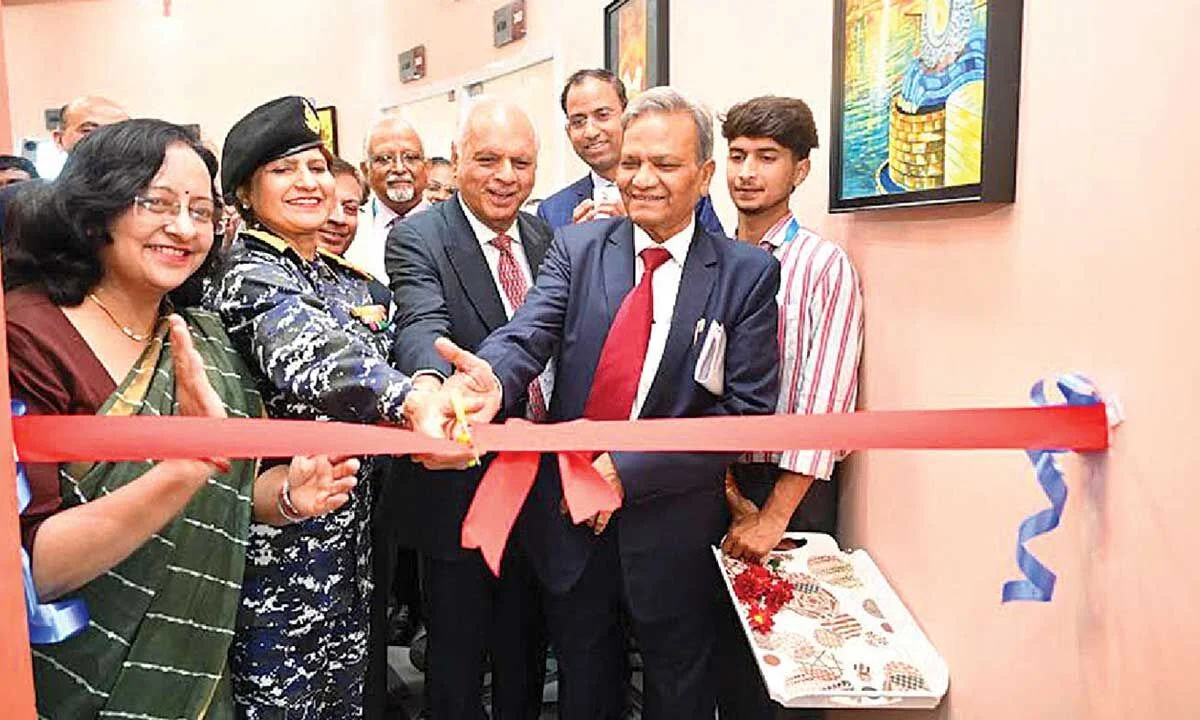
International Connection: The University of Western Australia (UWA) opened its first India Centre in Visakhapatnam. This partnership focuses on medical technology and how to protect and use the ocean’s resources.
Management and Policy: The International Institute of Health Management Research (IIHMR) in Delhi joined AMTZ to teach students about how to run health systems and manage the supply of medical tools.
Local Skills: The Indian Biomedical Skill Consortium (IBSC) continues to work within the zone to give workers official certificates for their skills.
"The rapid change in healthcare technology means we must keep teaching our workers new skills. We want to build careers that are recognized everywhere in the world." — Naresh Kumar Nitturi, National Coordinator, IBSC-AMTZ.
Verified Growth and Training Data
The following data shows the current reach of the training programs and the physical growth of the zone as of late 2025.
| Metric | Current Status / Numbers |
|---|---|
| Trained Individuals | Over 6,500 candidates |
| Certified Professionals | Over 3,500 (NSQF-aligned) |
| School Partnerships (MoUs) | 200 institutions across India |
| Incubated Startups | 150+ through the Medivalley hub |
| Manufacturing Units | 150+ units for devices and diagnostics |
| Core Financial Goal | Reduce import bill by 35-40% ($2.5–3 billion saved yearly) |
Global Research and Ocean Safety
The partnership with the University of Western Australia (UWA) adds a new layer to the work in Visakhapatnam. While the main goal is health technology, the two groups are also looking at "Underwater Domain Awareness." This means using technology to monitor the sea.
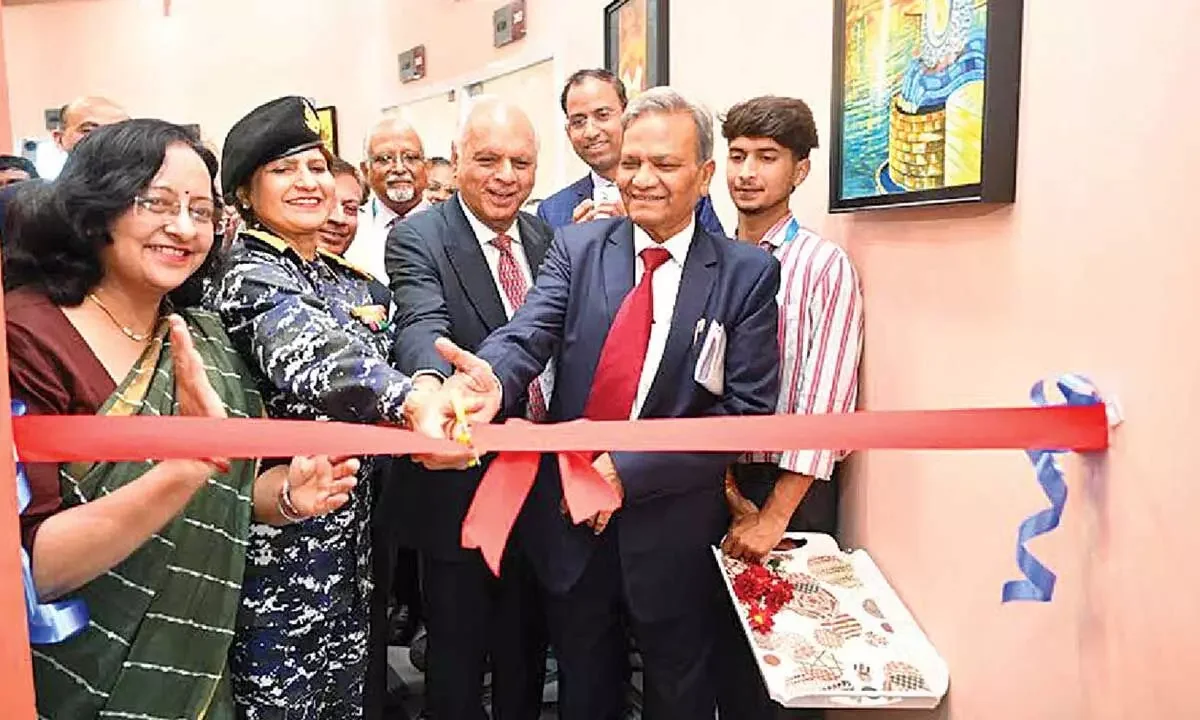
The UWA India Centre serves as a home for joint research and teaching.
It links the AMTZ with Australia’s defense and security experts.
Does this mix of medical work and maritime security suggest that Visakhapatnam is becoming a dual-purpose hub for both health and regional safety?
The collaboration aims to help students move between India and Australia for better learning.
Specialized Training for Health Systems
While some groups focus on making machines, the IIHMR-Delhi partnership focuses on the "business" and "rules" of healthcare. Making a medical device is only half the job; the other half is making sure it follows laws and reaches the people who need it.
Regulatory Affairs: Teaching students the rules they must follow to sell medical tools.
Supply Chain: Learning how to move parts and finished tools quickly and safely.
Technology Commercialization: Helping inventors turn a good idea into a product that can be sold in stores or to hospitals.
How will these management programs affect the speed at which local inventions reach the public market?
Manufacturing and Infrastructure Expansion
In late 2025, the zone saw physical growth and the start of new factory lines for very complex machines. Union Minister Piyush Goyal visited the site in November to see the progress of local manufacturing.
Read More: Andhra Pradesh Discusses New Labour Codes to Boost Jobs and Worker Rights by April 2026

Medivalley Expansion: A new 100,000 square foot tower was opened to give more room to startups.
MRI and Cardiac Tools: New factory lines for MRI machines and heart-related tools (Cathlabs) have started. Historically, India has bought almost all its MRI machines from other countries.
Advanced Labs: The zone now offers 3D printing, laser centers, and labs to test if materials are safe for the human body.
AMTZ is moving from simple manufacturing to a full "pathway" where an idea is tested, made, and the workers are trained all in one place.
Analysis of the Workforce Strategy
Experts suggest that the success of the AMTZ depends on whether the trained workers can keep up with the fast pace of global technology.

Integration: By putting schools and factories in the same 270-acre park, students get to use real machines like MRI magnets and gamma irradiation tools.
Standardization: Using the National Skills Qualification Framework (NSQF) ensures that a worker trained in Visakhapatnam has the same recognized skills as someone trained in a major global city.
Economic Shift: If the goal of reducing the 7 billion dollar import bill is met, it will likely be because local workers can now build and fix the high-tech tools that were previously only available from foreign companies.
Final Observations
The Andhra Pradesh MedTech Zone has moved beyond being just a piece of land for factories. It is now a center for training and international relations. By joining with groups like UWA and IIHMR, the zone is trying to solve two problems at once: the lack of locally made medical tools and the lack of workers who know how to manage them.
The evidence shows that over 6,500 people have already been trained, and the infrastructure has grown to support over 150 startups. The next step for the zone involves proving that these locally made products, such as MRIs and heart catheters, can compete with global brands in terms of quality and safety.
Read More: TTD Gives Silk Robes to Srisailam and Srikalahasti Temples for Maha Shivaratri
Next Steps to Monitor:
The first group of graduates from the UWA India Centre and their entry into the workforce.
The actual reduction in medical import costs as reported in upcoming national budget reviews.
The expansion of the Medivalley hub into more specific fields like robotic surgery.
Primary Sources
Medical Dialogues: Visakhapatnam MedTech Hub - Context on UWA partnership.
Medgate Today: IBSC-AMTZ Training Stats - Data on certifications and candidates.
The Hans India: IIHMR Satellite Centre - Details on health management and supply chain training.
Neoscience Hub: Economic Impact and MRI Production - Information on import substitution and Minister Piyush Goyal’s visit.
VOH Network: Medivalley Expansion - Information on the new 1 lakh sq. ft. tower and startup incubation.