

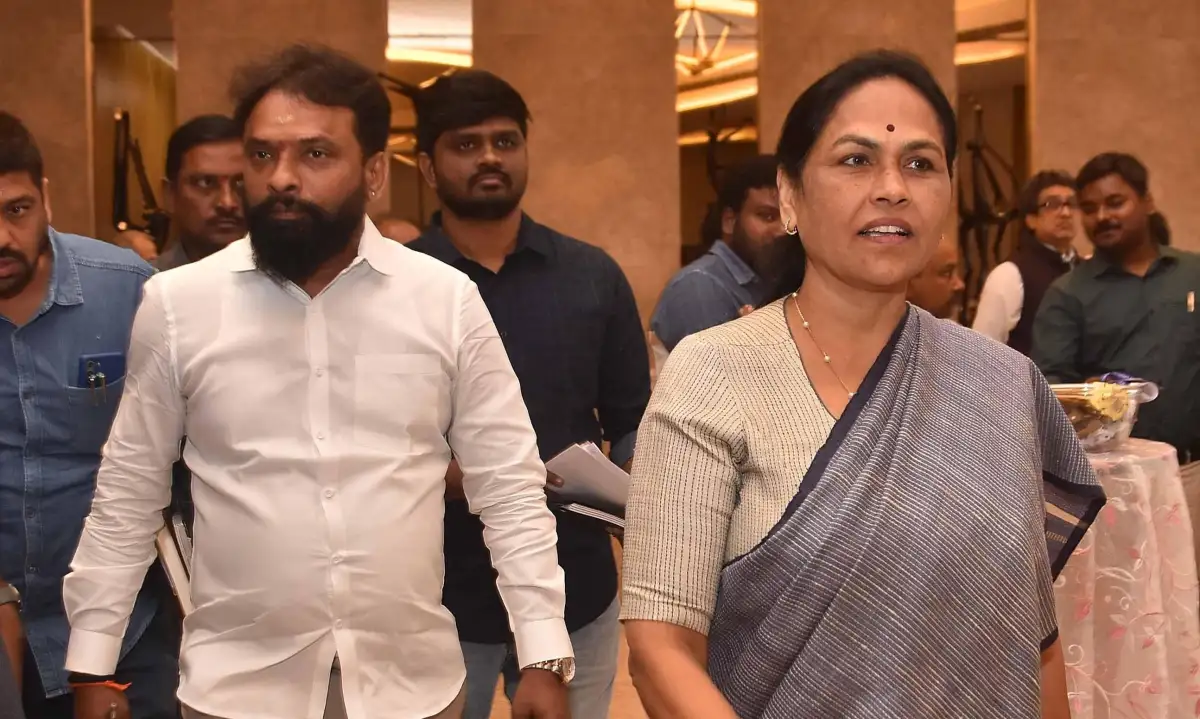
Recent legislative changes in India's labor sector, specifically the introduction of four new Labour Codes, have prompted a notable period of stakeholder consultation. In Andhra Pradesh, the State government has actively engaged with various groups to explain and gather feedback on these reforms, aiming to strike a balance between worker protection and economic growth.

Context of Labour Code Reforms
The Government of India has consolidated 29 existing labor laws into four new comprehensive Labour Codes. These codes are:
The Code on Wages, 2019
The Code on Social Security, 2020
The Occupational Safety, Health and Working Conditions Code, 2020
The Industrial Relations Code, 2020
The Central government issued draft rules for these codes on December 30, 2025, for public feedback. The implementation of these codes was targeted for April 1, 2026.

Andhra Pradesh's Engagement with Labour Codes
Andhra Pradesh has been a focal point for discussions surrounding these new labor laws.
Reassurance Amidst Anxiety
On November 28, 2025, Andhra Pradesh Labour Minister Vasamsetti Subhash addressed concerns that the new codes might dilute worker rights. He stated that the transition would strengthen rights, broaden social security, and improve workplace safety.
The State government organized a Labour Codes Awareness Conference to convey this message and to highlight Andhra Pradesh's aim to become a model state for labor welfare.
Concerns were raised by workers that the new system might jeopardize existing protections and benefits, potentially shifting the balance towards employers. The State government aimed to dispel these fears, emphasizing that traditionally overlooked groups like digital media workers and dubbing artists are now covered.
Cooperative Federalism and State Initiatives
Union Minister of State for Labour and Employment, Shobha Karandlaje, has emphasized cooperative federalism, acknowledging that labor is largely a state subject.
She stated that the new codes are designed to safeguard workers' interests, increase employment, and foster an industry-friendly environment.
Andhra Pradesh's Labour Minister, Vasamsetti Subhash, highlighted state-level actions, including expanding ESIC (Employees' State Insurance Corporation) healthcare facilities, enhancing digital services, and conducting workplace medical camps to improve worker health and transparency.
Measures are also being taken to boost women's participation in the workforce, ensure their safety, and guarantee equal pay.
Industry and Government Perspectives
Industry bodies like the Confederation of Indian Industry (CII) have welcomed the draft rules, with Chandrajit Banerjee, Director General of CII, stating they are a "key step in operationalising India's labour reforms." He suggested the rules would help industry prepare, simplify compliance, and support sustainable growth.
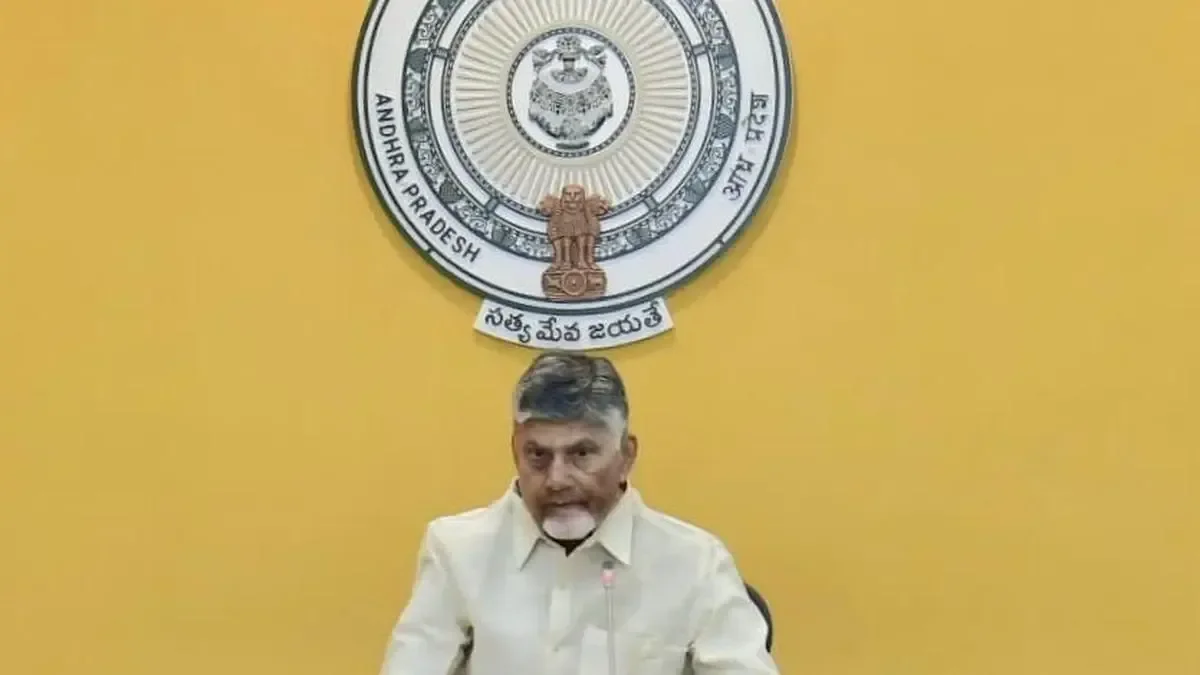
Andhra Pradesh Chief Minister N Chandrababu Naidu hailed the reforms as a significant step towards a "world-class, future-ready economy," comparing their importance to the 1991 economic liberalisation. He stated the codes would bring India closer to global labor benchmarks, reduce compliance burdens, and support enterprise growth.
A survey by the Labour Ministry reportedly indicated that stakeholders view the new codes as balancing worker protection and economic efficiency.
Key Provisions Under Discussion
The draft rules touch upon several key areas:
Grievance Redressal Committees: As per the Industrial Relations (Central) Rules, 2025, every industrial establishment with 20 or more workers must form a grievance redressal committee. These committees, not exceeding 10 members, should have equal representation from employers and workers to address individual employee grievances.
Working Hours and Wages: The Code on Wages (Central) Rules, 2025, addresses working hours. The exact number of hours constituting a normal working day, including intervals, will be determined by general or special orders. Daily working hours, intervals, and spread-over periods are subject to separate notification. The new laws also aim to ensure equal pay for equal work for women and mandate wage payments within a week of work completion.
Expert Analysis
"The consolidation of 29 colonial-era labour laws into four comprehensive Labour Codes is a historic reform."— Shobha Karandlaje, Union Minister of State for Labour and Employment.
"This is a decisive step toward making India a world-class, future-ready economy."— N Chandrababu Naidu, Chief Minister of Andhra Pradesh.
"The release of the draft rules under the four Labour Codes marks a key step in operationalising India's labour reforms."— Chandrajit Banerjee, Director General of CII.
Conclusion and Implications
The introduction of the four Labour Codes signifies a substantial shift in India's labor landscape. The process has involved extensive consultation, with the central government seeking feedback on draft rules and state governments, like Andhra Pradesh, actively engaging with stakeholders. While the government and industry bodies express optimism about the codes fostering economic growth and simplifying compliance, worker anxieties regarding potential dilution of rights persist. The effective implementation of these codes will depend on addressing these varied concerns and ensuring a transparent and equitable application of the new regulations. The Andhra Pradesh government's proactive engagement suggests an effort to position the state as a leader in labor welfare within this new framework.
Read More: Andhra University Adds More Seats for B.Tech Courses
Sources Used:
KPMG: Details the issuance of draft rules for the four Labour Codes by the Government of India, including timelines for feedback and key provisions like grievance redressal committees. https://kpmg.com/xx/en/our-insights/gms-flash-alert/2026/flash-alert-2026-007.html
The Hindu: Reports on Union Minister Shobha Karandlaje's statements regarding the benefits of the new Labour Codes and the principle of cooperative federalism. It also notes Andhra Pradesh's labor minister's comments on state-level initiatives. https://www.thehindu.com/news/national/andhra-pradesh/new-labour-codes-to-protect-workers-boost-jobs-karandlaje/article70557132.ece
The South First: Covers Andhra Pradesh Labour Minister Vasamsetti Subhash's efforts to reassure workers about the new Labour Codes amidst fears of diluted rights and highlights the state's ambition to be a model labor-welfare State. https://thesouthfirst.com/andhrapradesh/labour-codes-workers-fear-dilution-of-rights-andhra-government-disagrees/
Deccan Chronicle: Repeats statements from Union Minister Shobha Karandlaje and Andhra Pradesh Labour Minister Vasamsetty Subhash at a regional conference, emphasizing the aim of safeguarding workers' rights and boosting employment. https://www.deccanchronicle.com/southern-states/andhra-pradesh/new-labour-codes-to-protect-workers-boost-jobs-shobha-karandlaje-1933100
Moneycontrol: Mentions a Labour Ministry survey indicating stakeholder support for the new Labour Codes, citing a balance between worker protection and economic efficiency. (Note: The provided summary is paywalled and general; core information about the survey's findings is inferred from the headline). https://www.moneycontrol.com/news/business/stakeholders-hail-new-labour-codes-for-balancing-worker-protection-and-economic-efficiency-labour-ministry-survey-13819810.html
The Hindu Business Line: Reports Andhra Pradesh Chief Minister N Chandrababu Naidu's positive remarks on the new Labour Codes, comparing them to the 1991 economic reforms and highlighting their potential for global benchmarks and job creation. https://www.thehindubusinessline.com/news/andhra-pradesh-cm-naidu-hails-new-labour-codes/article70310464.ece
ScanX: Reports on the Ministry of Labour and Employment pre-publishing draft rules for the four codes to solicit stakeholder feedback, with a target implementation date of April 2026. It includes positive remarks from CII. https://scanx.trade/stock-market-news/stocks/centre-pre-publishes-draft-rules-on-four-labour-codes-seeks-stakeholder-feedback-for-april-2026-implementation/28734547
PIB: This source was marked as low priority and had a failed or too short summary, so it is not included in the detailed analysis or source list.


