A rugby player required hospital treatment after a cut on his arm became infected, with medical professionals attributing the cause to dog faeces. The incident highlights a recurring issue at sports grounds, raising concerns for player safety and the responsibility of dog owners and local authorities.
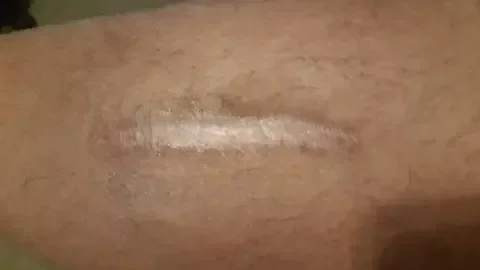
The incident involved Adam Lang, a player for Tondu RFC, who fell during a match on February 14th. He sustained a cut to his elbow which later became infected, leading to his admission to Royal Glamorgan Hospital. Doctors identified dog faeces as the likely source of the infection.

Background of Contamination on Sports Fields
Reports from various locations across the United Kingdom indicate that contamination from dog waste on playing fields is not an isolated event. Several rugby clubs have experienced similar issues, leading to player injury and a general unease about the safety of the grounds.
Read More: FIFA World Cup 2026 Revenue Reaches $15 Billion With New Ticket Prices
Mistley Rugby Club: In January 2023, a player from Mistley RFC was hospitalised after a cut on his leg became infected with animal faeces. The injury resulted in a significant muscle loss and a lengthy recovery period.
Tondu RFC: This club has faced repeated problems with dog mess at their home ground, Pandy Park. Despite bringing the issue to the attention of Bridgend Council, the club expressed frustration over a perceived "reluctancy to act."
General Concern: The recurring nature of these incidents suggests a broader problem with dog owners not cleaning up after their pets on public sports facilities.
Player Injuries and Medical Treatment
The direct impact of the contamination has been serious for the players involved, requiring significant medical intervention and leading to lasting health issues.
Adam Lang: After the initial cut on his elbow, the infection spread to his hand. He was admitted to Royal Glamorgan Hospital and received intensive intravenous antibiotics.
Neil Baxter: A 44-year-old locksmith, Baxter required surgery to drain an abscess behind his shin bone, which had become infected by dog poo. He underwent a three-month treatment process, leaving him with no feeling in his calf a year later.
Chris Clements: This 31-year-old spent nearly two weeks in hospital, receiving two courses of intravenous antibiotics for an infected cut on his leg. He experienced severe pain, swelling, discoloration, and a fever.
The medical consequences underscore the potentially severe health risks associated with encountering dog faeces, particularly when it enters an open wound.
Club and Council Responses
Sports clubs and local authorities are grappling with how to address the problem of dog fouling on playing fields.
Tondu RFC's Experience: The club has approached Bridgend Council on multiple occasions regarding the issue at Pandy Park. While the council is reportedly "considering banning dogs from sport pitches," the club has felt that previous efforts to elicit action have been met with reluctance.
Mistley Rugby Club's Action: In response to their own struggles, the club took the initiative to install and empty their own dog waste bins, as the council was unable to provide additional facilities.
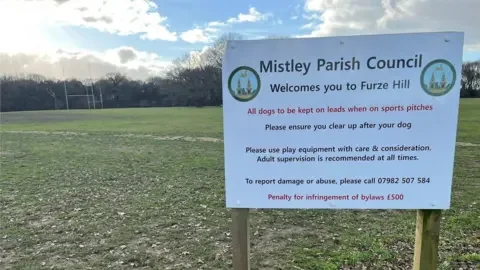
Public Awareness Measures: In some cases, measures such as increased signage and warnings about potential fines for owners who do not clean up after their pets have been implemented.
The varying responses suggest a challenge in finding a universally effective solution, with some councils taking more proactive steps than others.
Wider Implications and Safety Concerns
The recurring instances of players being hospitalised due to contaminated pitches raise broader questions about public health and safety.

Risk to Children: A significant concern, voiced by one of the affected players, is the potential danger posed to the hundreds of children who use these sports fields.
Responsibility: The issue highlights the shared responsibility between dog owners to be diligent in cleaning up after their pets and local authorities to maintain safe public spaces.
"Incredibly Dangerous": The severity of the infections and the medical treatment required have led to descriptions of the situation as "incredibly dangerous," emphasizing the unseen risks present on sports pitches.
The current situation suggests a need for more robust and consistent measures to prevent such incidents and ensure the safety of all users of public sports facilities.
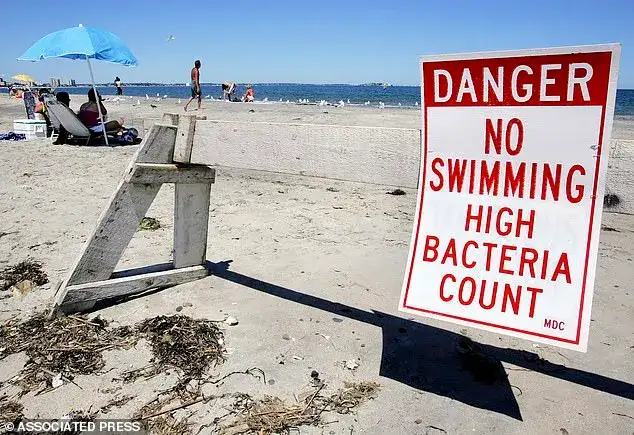
Read More: US Beach Closures July 2026 Due to High Bacteria Levels
Expert Analysis
Graham, associated with Tondu RFC, noted that while "99% of dog owners are very responsible," the actions of a minority create significant risks. He also alluded to a "reluctancy to act" by local authorities, indicating a potential gap in enforcement or proactive measures.
Conclusion and Next Steps
The repeated hospitalisation of rugby players due to infections stemming from dog faeces on playing fields is a serious concern. While the majority of dog owners are responsible, a persistent issue of fouling on sports grounds necessitates further action.
Immediate Impact: Players have suffered severe injuries, requiring extensive medical treatment and resulting in lasting physical consequences.
Systemic Issue: The problem appears to be widespread, affecting multiple clubs and local authorities across different regions.
Proposed Solutions: Actions taken have included clubs installing their own bins, increased signage, and councils considering outright bans on dogs from pitches.
Future Action: Continued dialogue between sports clubs and local councils, alongside stricter enforcement of existing regulations and public awareness campaigns, may be required to mitigate these risks effectively. The potential for more widespread implementation of Public Space Protection Orders (PSPOs) regarding dog fouling on sports pitches warrants further investigation.
Sources Used:
WalesOnline: Reports on the incident involving Adam Lang at Tondu RFC, highlighting the club's ongoing issues with Bridgend Council and the "incredibly dangerous" nature of the contamination. https://www.walesonline.co.uk/news/wales-news/incredibly-dangerous-issue-left-player-33459783
BBC News: Details the case of a Mistley RFC player hospitalised due to a dog poo-infected wound, emphasizing the severity of his injury and concerns for younger players. https://www.bbc.com/news/uk-england-essex-64253361
Daily Star: Covers the story of Neil Baxter, whose leg infection from dog poo on a pitch led to surgery and a lengthy recovery. https://www.dailystar.co.uk/news/latest-news/dog-poo-pitch-left-rugby-29137275
Newbury Today: Reports on Chris Clements, who was hospitalised for 12 days due to an infected cut from dog faeces on a rugby pitch. https://www.newburytoday.co.uk/news/rugby-player-hospitalised-for-12-days-after-coming-into-cont-9408368/
Ladbible: Features a case where a woman was hospitalised with a gastrointestinal infection after her dog faeces came into contact with her mouth during sleep, illustrating the potential for transmission of illness. https://www.ladbible.com/news/rugby-player-poo-inside-wound-778925-20230130
Europe Says: Provides a concise report on the Tondu RFC player's hospitalisation after falling in dog poo, reiterating the cause of infection. https://www.europesays.com/uk/778182/