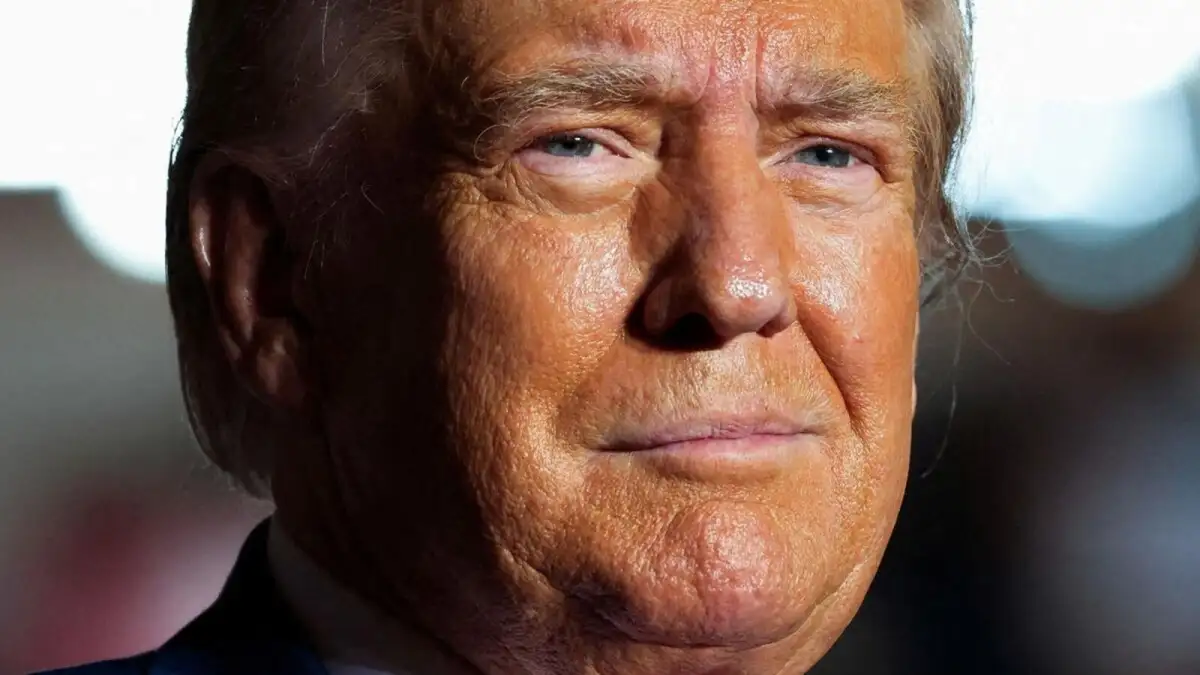
The proposed Safeguard American Voter Eligibility (SAVE) Act has advanced in Congress, aiming to enact federal voter identification and proof of citizenship requirements. While proponents suggest these measures will bolster election integrity, voting rights groups and opponents voice concerns that the bill could impede access to the ballot for millions of eligible Americans. The debate centers on the potential consequences of these new mandates on voter registration and casting ballots, particularly for certain demographic groups.
Legislative Push for Voter ID and Citizenship Verification
The SAVE America Act, backed by congressional Republicans and former President Donald Trump, has recently gained traction. The bill, officially known as the Safeguard American Voter Eligibility Act, proposes two primary changes to federal voting procedures:

Photo Identification: Requiring voters to present a government-issued photo ID when casting a ballot.
Proof of Citizenship: Mandating individuals to provide proof of citizenship, such as a passport or birth certificate, to register to vote.
This legislative effort has moved through the House of Representatives and is facing hurdles in the Senate. While some Republican senators express support for the bill's objectives, challenges related to Senate rules, such as the filibuster, and potential Democratic opposition make its passage uncertain.
Read More: US 250th Anniversary on July 7, 2026, sees 20% not celebrating
Potential Barriers to Voting Identified
Critics of the SAVE America Act highlight several areas where the bill could create obstacles for voters. These include:
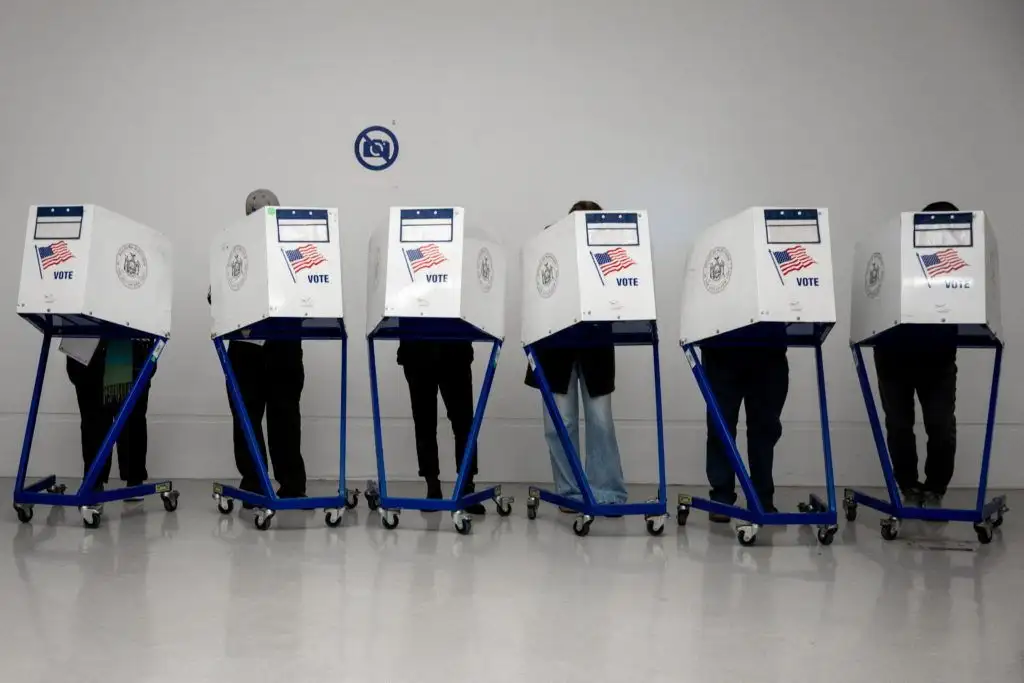
Name Discrepancies: The Brennan Center notes that millions of married individuals, particularly women who have changed their surnames, might face difficulties if their names on identification documents do not match their birth certificates or passports. This could complicate the registration and voting process.
Mail-in Voting: The bill introduces new requirements for absentee ballots, potentially requiring voters to submit a copy of their ID with both their request and their completed ballot. This could affect overseas and military voters who rely on mail-in options.
Documentation Requirements: The act's emphasis on proof of citizenship could add an extra layer of documentation verification that some voters may find burdensome.
Voting rights advocates argue that these provisions, if enacted, could lead to the disenfranchisement of a significant number of eligible voters.
Current Voting Procedures and Citizenship Verification
The SAVE America Act's proposed changes are being examined in the context of existing election laws. While noncitizens are already barred from voting in federal and most state elections, some municipalities allow noncitizen participation in local elections.
Currently, there is a process in place to verify citizenship during voter registration. However, voting rights organizations contend that the SAVE America Act's specific mandates would introduce a more stringent and potentially less accessible system. Notably, no single state's REAL ID requirements explicitly mark citizenship status, and most state-issued driver's licenses do not directly serve as proof of citizenship.
Read More: Aboriginal Voters Turned Away From SA Polling Stations on Election Day
Senate Opposition and Filibuster Challenges
The path forward for the SAVE America Act in the Senate remains uncertain. Senate Majority Leader John Thune, R-S.D., has expressed skepticism regarding filibuster reform, a move that could be necessary to overcome Democratic opposition. Many Senate Democrats are strongly against the bill, citing concerns about voter suppression. While some Senate Republicans may agree with the bill's aims, securing the 60 votes needed to advance it through the chamber is a significant challenge. The nature of the Senate filibuster, which can require prolonged debate, presents a substantial procedural barrier.

Expert Insights on Election Laws
Discussions around the SAVE America Act involve various perspectives on election administration and voter access. While proponents believe stringent identification measures are essential for election security, organizations like the Brennan Center express concern about the practical implications for voters.
"Voting rights groups say the SAVE America Act would disenfranchise millions of Americans if passed."
The timeline of this legislative push, occurring before consequential midterm elections, has also drawn comment. Senator Alex Padilla, D-CA, and others argue that the timing of these proposed changes in voter rules is deliberate.
Read More: Trump says Vance-Rubio ticket would be "unbeatable" for 2028
Conclusion and Next Steps
The Safeguard American Voter Eligibility Act represents a significant proposed alteration to federal voting laws, introducing mandatory photo identification for voting and proof of citizenship for registration. While its supporters contend it will enhance election security, critics raise serious concerns about its potential to disenfranchise millions of eligible voters, particularly those with name discrepancies on identification documents or who rely on mail-in voting.
The bill's progression is currently stalled in the Senate, where procedural hurdles and partisan divisions create substantial obstacles to its passage. Further debate and potential amendments are expected as lawmakers grapple with the balance between election integrity and broad voter access. The outcome of these legislative efforts will have a direct impact on how Americans register to vote and cast their ballots in future federal elections.
Read More: June 2 Primaries: Delayed Results Expected Due to Vote Counting
Sources Used:
USA Today: Published 1 day ago. Article discusses the potential impact of the SAVE Act on married individuals with name changes and introduces new rules for mail-in voting. https://www.usatoday.com/story/news/politics/2026/02/12/what-is-the-save-act-voter-id-rules/88642716007/
ABC News: Published 3 days ago. Article details the SAVE America Act, its focus on voter ID and proof of citizenship, and mentions noncitizen voting prohibitions. https://abcnews.com/Politics/save-america-act-requiring-voter-id-proof-citizenship/story?id=130006795
PBS NewsHour: Published 4 days ago. Article examines the SAVE America Act's potential changes to voting, existing citizenship verification processes, and concerns from voting rights groups about disenfranchisement. https://www.pbs.org/newshour/politics/how-the-save-america-act-would-make-major-changes-to-voting
CBS News: Published Feb 6, 2026. Article explains the SAVE America Act (Safeguard American Voter Eligibility Act), its requirement for proof of citizenship and photo ID, and warnings from Democrats about potential disenfranchisement. https://www.cbsnews.com/news/save-america-act-republican-elections-bill/
CNBC: Published Feb 6, 2026. Article discusses the SAVE America Act's focus on voter identification and proof of citizenship, its advancement in Congress, and the unlikelihood of Senate passage due to Democratic opposition. https://www.cnbc.com/2026/02/06/save-act-trump-congress-elections-voting.html