A significant exchange has arisen between Union Minister Piyush Goyal and Congress leader Rahul Gandhi, centered on the state of the Indian economy and specific trade matters, particularly concerning the textile sector. Minister Goyal has publicly criticized Gandhi's remarks, asserting that they demonstrate an immature understanding of economic complexities and misrepresent trade agreements with countries like the United States. Gandhi, conversely, has raised concerns about potential negative impacts of these agreements on Indian farmers and the textile industry, suggesting economic distress and job losses. The core of the dispute involves differing interpretations of trade deals and their supposed effects on India's economic well-being and its citizens.
Background of the Disagreement
The recent remarks stem from comments made by Rahul Gandhi regarding trade relations, specifically mentioning the United States. Gandhi expressed concerns that certain trade policies, including high tariffs imposed by the US, are harming India's textile sector, leading to job losses and factory closures. He urged Prime Minister Narendra Modi to intervene in what he described as a crisis. These statements were made while Gandhi was reportedly in the United States.
Read More: UK AI Ambitions Face Energy Worries from Data Centre Power Needs

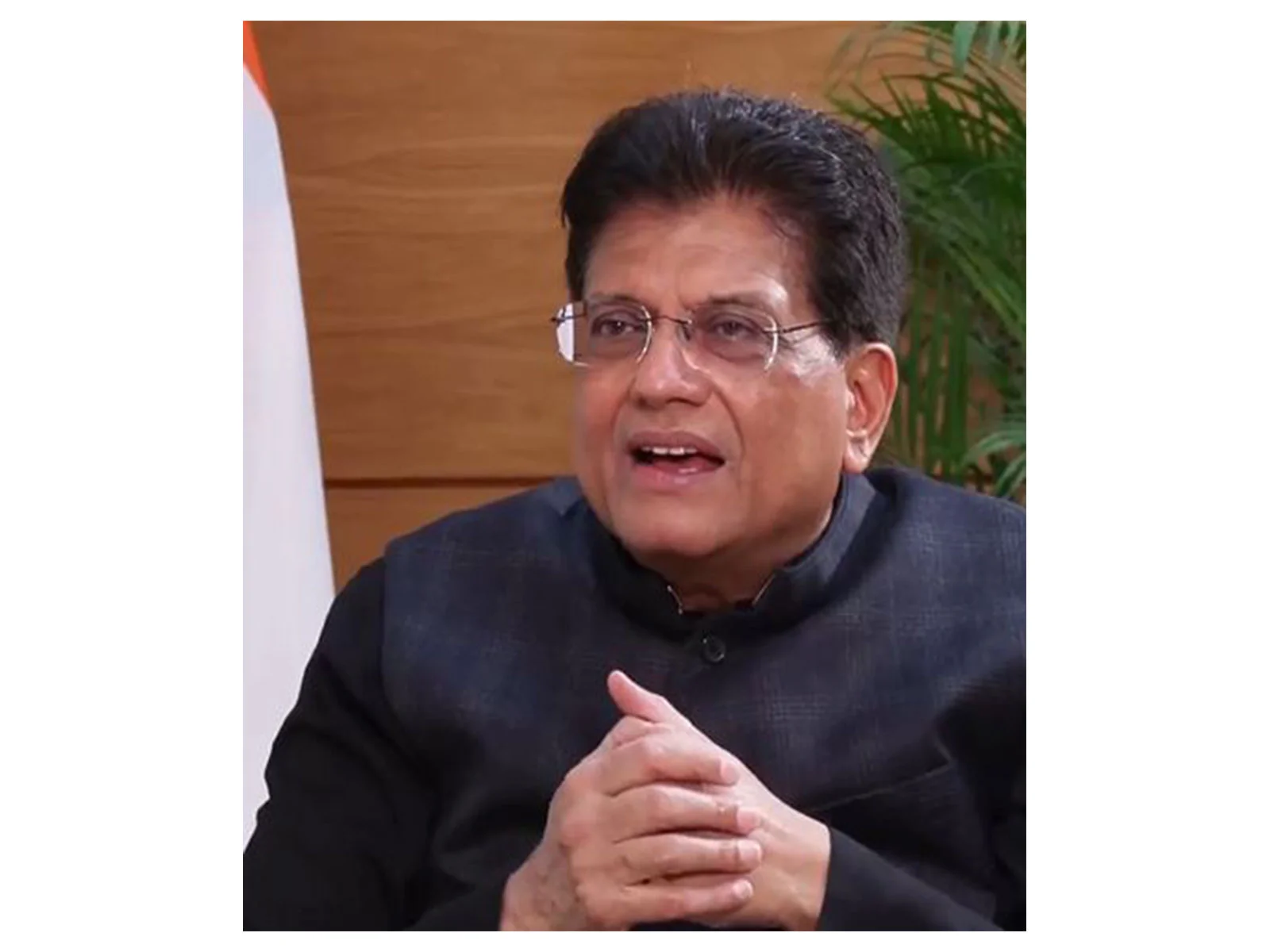
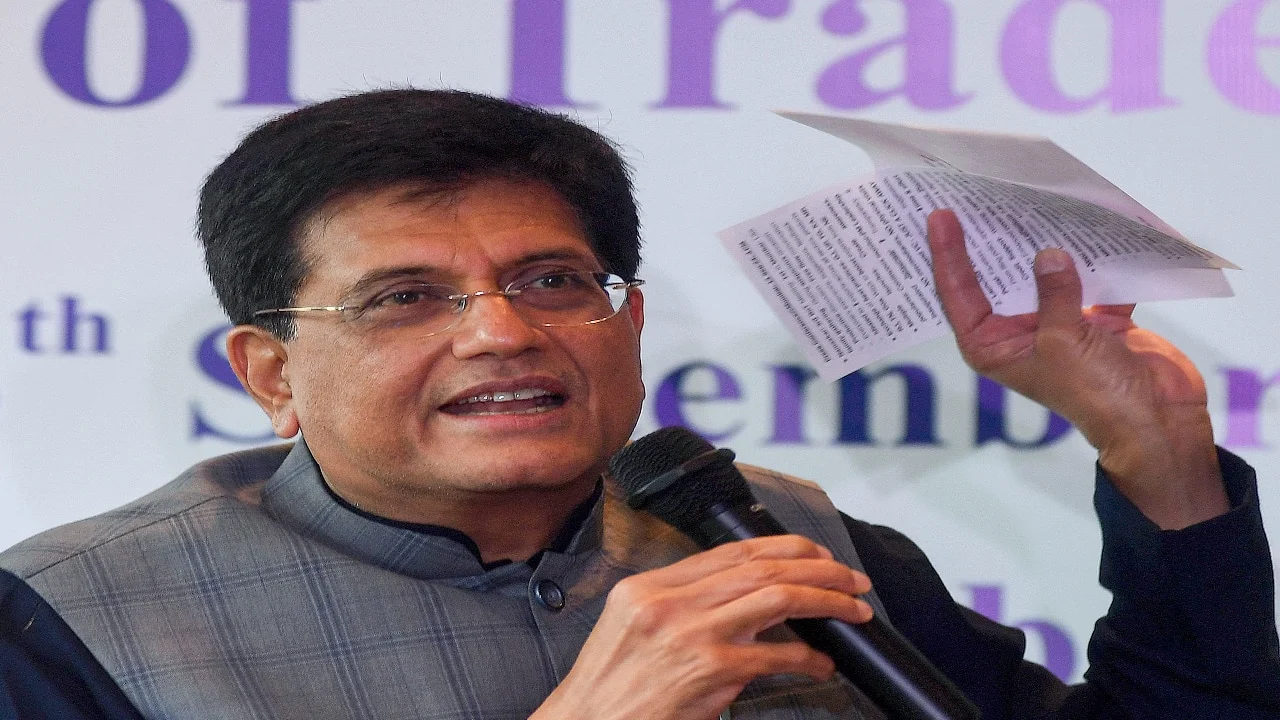
In response, Union Minister Piyush Goyal, who oversees commerce and industry, has strongly refuted Gandhi's claims. Goyal characterized Gandhi's views as "baseless, ill-informed, and disconnected from ground realities." He suggested that Gandhi lacks a proper understanding of economics and is, in Goyal's words, "seeing ghosts where there are none." Goyal also alluded to past statements by Gandhi, including comments that seemed to echo a "dead economy" narrative, which Goyal believes is a misrepresentation.
The debate also touches upon India's cotton exports and the potential benefits of trade agreements with the US, the European Union, New Zealand, and the UK. Goyal presented data suggesting significant procurement of textile products by these nations and argued that trade deals would not harm Indian cotton growers, but rather benefit them through increased exports and demand.
Read More: Global Economy Faces Catastrophe If Conflict Continues Past May 2024
Key Declarations and Counter-Arguments
Minister Goyal's Stance:
Economic Acumen: Goyal repeatedly stated that Rahul Gandhi "lacks understanding of the economy" and is "immature" in his economic assessments.
US Trade: Regarding textile exports, Goyal noted that the US procures approximately ₹9 lakh crore worth of textile products annually. He also highlighted that the US exports around ₹45,000 crore of cotton.
Farmer Interests: Goyal explicitly stated that an interim trade deal with the US would not harm Indian farmers. Instead, he suggested it would lead to higher exports of agricultural output, increased demand, and consequently, greater prosperity for farmers. He accused Gandhi of spreading "fake narratives" to mislead farmers.
Global Markets: Goyal pointed to other markets like the European Union, New Zealand, and the UK, where India exports substantial amounts of goods. He mentioned that textile products could be exported to these regions at zero duty, suggesting opportunities for growth.
"Dead Economy" Narrative: Goyal dismissed Gandhi's comments about a "dead economy," labeling them as "naysaying" and disconnected from India's actual economic performance.
"Mr Rahul Gandhi has been a naysayer who never understood economics. He sees ghosts where there are none." - Piyush Goyal
Rahul Gandhi's Concerns:
Textile Sector Distress: Gandhi alleged that high US tariffs are severely impacting India’s textile sector, leading to job losses and factory shutdowns.
Call for Intervention: He urged Prime Minister Narendra Modi to take urgent action to address the alleged crisis in the textile industry.
Farmer Protection: While not directly quoted on this in the provided articles, the implication of Gandhi's criticism suggests a concern that trade deals might not adequately protect the interests of Indian farmers and producers.
"Dead Economy" Label: Gandhi has reportedly used terms like "dead economy" to describe the current economic situation, a label strongly rejected by Goyal and the government.
"Congress leader Rahul Gandhi on Friday said high US tariffs are severely hurting India’s textile sector and urged Prime Minister Narendra Modi to urgently intervene, warning that job losses and factory shutdowns are already underway." - Timesnownews.com
Evidence Presented
The arguments presented by Minister Goyal are supported by trade figures and potential export benefits:
US Textile Procurement: The United States procures approximately ₹9 lakh crore in textile products annually.
US Cotton Exports: The US exports around ₹45,000 crore worth of cotton.
EU Trade Value: The European Union procures about ₹22-23 lakh crore worth of goods from India.
Zero-Duty Exports: India can export textile products at zero duty to markets such as the EU, New Zealand, and the UK.
Job Creation Claims: Union Textile Minister Giriraj Singh (as mentioned in one article) stated that 5 crore jobs have been created in the textile sector over the past 11 years.
Conversely, the evidence supporting Rahul Gandhi's concerns is based on direct observation and reported effects on the ground:
Alleged Job Losses: Gandhi's statements point to existing job losses and factory shutdowns within the Indian textile sector.
Impact of Tariffs: He specifically attributed these issues to high US tariffs.
Contrasting Economic Narratives
The "Thriving Economy" Perspective
Minister Goyal, and by extension the government, presents an image of a robust and growing Indian economy. This perspective highlights:
Growth Opportunities: India is actively seeking new markets and engaging in trade agreements that are seen as beneficial.
Export Potential: There is substantial potential for Indian goods, including textiles and agricultural products, to be exported globally.
Farmer Prosperity: Trade deals are framed as a means to increase demand, raise prices for agricultural produce, and thus enhance the prosperity of Indian farmers.
Government Initiatives: Goyal's emphasis on initiatives like the India-US MoU on critical minerals suggests a proactive approach to economic partnerships and securing supply chains.
The "Economic Distress" Viewpoint
Rahul Gandhi's statements suggest a narrative of economic hardship, particularly within specific sectors. This viewpoint emphasizes:
Sectoral Damage: Concerns are raised that international trade policies, such as high tariffs, can inflict damage on domestic industries like textiles.
Negative Employment Impact: The primary concern highlighted is job losses and potential factory closures, indicating a downturn in certain areas of the economy.
Vulnerability of Farmers: While not detailed in the provided summaries, the implication is that farmers may not be adequately protected from the potential adverse effects of international trade agreements.
Analysis of Remarks
Union Minister Piyush Goyal's strong rebuttal to Rahul Gandhi's economic commentary appears to be a strategic defense of the government's trade policies and economic management. His use of specific figures regarding export values and market potential aims to project confidence and refute any notion of economic weakness. By framing Gandhi's remarks as lacking understanding and being "habitual" in their negativity, Goyal attempts to delegitimize the opposition's critique.
Read More: Angela Rayner and Sam Tarry's Paris Trip: Spam Meal Costs 50 Euros, Mascot Lost
The accusations of Gandhi spreading "lies" and "fake narratives" suggest a political dimension to the economic debate. The minister's focus on safeguarding farmers' interests and promoting exports indicates a narrative that positions the government as a champion of economic growth and agricultural welfare.
Conclusion
The public discourse between Minister Piyush Goyal and Rahul Gandhi reveals a sharp divergence in assessing India's economic health and the impact of its international trade engagements. Goyal staunchly defends the government's economic policies, citing significant export opportunities and benefits for farmers, while dismissing Gandhi's concerns as ill-informed and politically motivated. Gandhi, on the other hand, voices apprehensions about the adverse effects of trade policies on crucial sectors like textiles and calls for urgent governmental action.
The evidence presented, including trade figures and claims of job creation, supports Goyal's assertion of economic activity and potential. However, Gandhi's direct observations regarding job losses and factory shutdowns in the textile sector, if substantiated, would represent significant counterpoints. The core issue remains whether India's trade agreements are fostering broad-based prosperity or creating specific vulnerabilities that require immediate attention. Further detailed economic data and on-the-ground reports would be necessary to fully ascertain the veracity of both narratives.
Read More: Terengganu Fuel Prices Rise Sharply, Residents Asked to Save Money
Sources Used:
The Hindu: https://www.thehindu.com/news/national/rahul-gandhi-immature-lacks-understanding-of-economy-says-goyal-on-congress-leaders-textile-remarks/article70631642.ece
Rediff.com: https://money.rediff.com/news/market/goyal-slams-rahul-on-economy-textile-remarks/42008720260214
Business Standard: https://www.business-standard.com/economy/news/piyush-goyal-slams-rahul-gandhi-over-us-deal-says-farmers-fully-protected-1260213000801.html
News18: https://www.news18.com/india/rahul-gandhi-sees-ghosts-where-there-are-none-piyush-goyal-news18-exclusive-9549887.html
ANI News (via AOL): https://www.aninews.in/news/national/general-news/that-very-mindset-kept-this-country-backwards-for-decades-union-minister-piyush-goyal-slams-rahul-gandhi-over-dead-economy-remark20260130172936/
Moneycontrol: https://www.moneycontrol.com/news/india/rahul-gandhi-could-never-understand-economics-sees-ghosts-piyush-goyal-on-gst-reforms-dead-economy-remark-13522634.html
NewsBytes: https://www.newsbytesapp.com/news/world/lack-of-knowledge-in-us-piyush-goyal-expresses-sympathy-for-rahul-gandhi/story
Timesnownews.com: https://www.timesnownews.com/india/50-us-tariffs-dead-economy-rahul-gandhi-seeks-pm-modi-attention-on-textile-crisis-watch-article-153494169