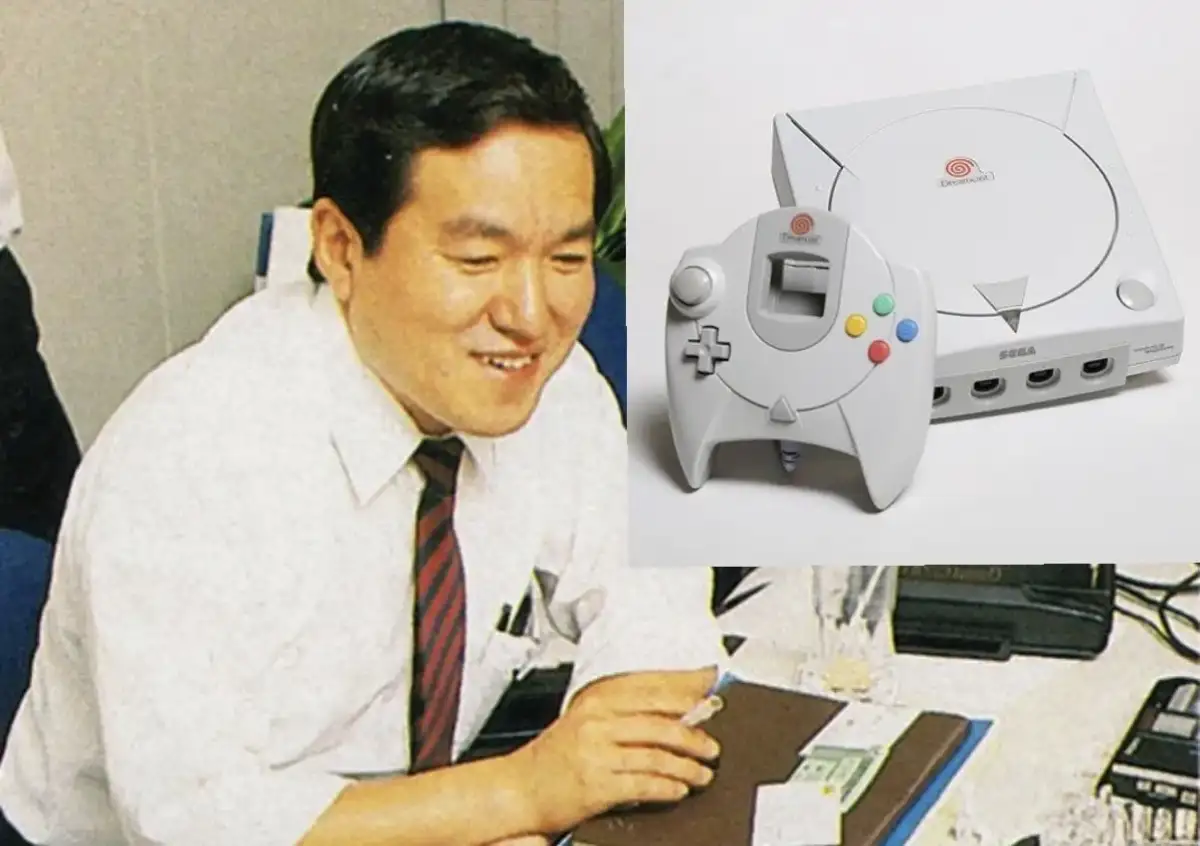
The video game industry is mourning the loss of Hideki Sato, a pivotal figure known as the "Father of Sega Hardware." Sato, who played a key role in the design of nearly all of Sega's iconic home consoles, passed away recently. His work provided the foundation for systems that shaped the childhoods of millions and left an indelible mark on gaming history.

A Legacy of Iconic Hardware
Hideki Sato's career at Sega, spanning from the early 1970s to the early 2000s, saw him lead the research and development of many of the company's most significant hardware innovations. He was instrumental in bringing to life consoles that defined eras of gaming, including the Master System, Genesis / Mega Drive, Saturn, and Dreamcast.

Sato’s influence extended from Sega's arcade roots to its home console ventures, a transition he helped navigate.
He was responsible for the core circuitry and design of these systems, often working with a dedicated R&D team.
For many, Sato's hardware was not just technology but the gateway to countless hours of gameplay and shared experiences.
Key Contributions and Roles
Sato's tenure at Sega encompassed various critical roles, culminating in his leadership as president from 2001 to 2003. His direct involvement in hardware design was a constant thread throughout much of his career.
Read More: GTA 6 Trailer 3: Fans Guess May 12 Release Date
"He was truly a great figure who shaped Japanese gaming history and captivated Sega fans all around the world." - Beep21, as translated via machine.
Genesis / Mega Drive: This console is often cited as a system that brought arcade-style gaming into living rooms, notably featuring games like Sonic the Hedgehog.
Saturn: A complex system noted for its advanced 3D capabilities for its time, though its architecture presented challenges for third-party developers.
Dreamcast: Considered by many to be Sega's final major console hardware, it showcased significant innovation.
Transition to Software: Sato also played a part in steering Sega's eventual exit from the hardware manufacturing business.
Tributes and Recognition
News of Hideki Sato's passing was reported by Japanese gaming outlet Beep21, which had previously conducted extensive interviews with him. The announcement has prompted widespread tributes from gaming publications and fans, who acknowledge his profound impact on the industry.

Sato is frequently described as a "legendary figure" and a "pioneer" in the video game world.
His contributions are seen as having shaped Japanese gaming history and captivated a global audience of Sega enthusiasts.
The passing of Sato, alongside Sega co-founder David Rosen in December 2025, marks the end of a significant chapter for the company.
Conflicting Age Reports
While most sources cite Hideki Sato's age at 75, a notable portion of the reporting indicates he was 77 years old at the time of his death. The exact date of passing is also not uniformly stated, with reports suggesting it occurred over the weekend of February 13th or 14th, 2026.
| Age Reported | Number of Sources |
|---|---|
| 75 | 3 |
| 77 | 7 |
Expert Perspectives
The complexity and ambition of Sega's hardware under Sato's guidance are often highlighted. The Saturn, in particular, is frequently cited as an example where technical prowess met development challenges.
"A console is the art of fitting a dream into a budget, heat, production, and development tools envelope." - Hideki Sato (paraphrased from Achievement Industry)
Sato's focus was on the decisions that ended up in the hands of millions of players, rather than public spectacle.
His work on consoles like the Saturn demonstrated the difficulties that can arise when complex architecture doesn't align with day-to-day game production ease.
Conclusion and Implications
The death of Hideki Sato represents a significant loss for the video game community. His engineering vision and leadership were central to Sega's identity during its most impactful years. His legacy is preserved not only in the consoles he helped create but also in the enduring memories of the games they brought to life. The ongoing discussion about his exact age and the precise date of his passing underscores the need for further verification of precise details, while the core acknowledgment of his monumental contributions remains consistent across all reports.
Read More: MIT Boron-Oxygen Molecule Acts as Builder in Chemical Reactions
Sources:
GosuGamers: https://www.gosugamers.net/entertainment/news/78002-father-of-sega-hardware-hideki-sato-dead-at-75
VGC: https://www.videogameschronicle.com/news/hideki-sato-designer-of-segas-consoles-dies-age-75/
PC Gamer: https://www.pcgamer.com/gaming-industry/hideki-sato-father-of-the-sega-dreamcast-saturn-genesis-and-more-has-died
Eurogamer: https://www.eurogamer.net/father-of-sega-hardware-hideki-sato-has-reportedly-died
Sega-Mag: https://www.sega-mag.com/actualite/deces-de-hideki-sato-architecte-en-chef-des-consoles-sega-39163
AS.com (MeriStation): https://en.as.com/meristation/news/hideki-sato-designer-of-sega-consoles-and-former-president-of-the-company-dies-f202602-n/
Sportskeeda: https://tech.sportskeeda.com/gaming-news/news-hideki-sato-father-sega-hardware-dies-77
Daily Mail: https://www.dailymail.co.uk/news/article-15562711/Engineer-designed-Sega-consoles-dies-aged-77.html
The Express Tribune: https://tribune.com.pk/story/2592848/hideki-sato-visionary-behind-segas-iconic-consoles-dies-at-75
GenerationJeu: https://www.generationjeu.com/deces-de-sato-le-legendaire-pere-du-hardware-sega/
Engadget: https://www.engadget.com/gaming/hideki-sato-known-as-the-father-of-sega-hardware-has-reportedly-died-230634768.html
Achievement Industry: https://achievementindustry.com/fr/articles/category/actualite/nouvelles-de-l-industrie/hideki-sato-est-decede-retour-sur-la-carriere-du-pere-du-hardware-sega
Kotaku: https://kotaku.com/sega-genesis-hideki-sato-dies-dreamcast-2000668977
Gamekult: https://www.gamekult.com/actualite/hideki-sato-l-ancien-president-de-sega-est-decede-3050868482.html