Recent reports indicate a concerning rise in Hantavirus cases across various regions, prompting health organizations to issue advisories on prevention and symptoms.
Investigations are underway into a cluster of severe respiratory illnesses aboard the MV HONDIUS cruise ship, where an outbreak of Hantavirus Andes has been reported. Approximately 150 passengers from 23 nationalities were on board when the situation emerged in the South Atlantic. This specific strain, the Hantavirus Andes, is noted as an exception due to its particular pathogenicity, with initial reports suggesting three fatalities linked to the virus on the vessel. The World Health Organization (WHO) is actively involved in understanding the circumstances surrounding these cases.
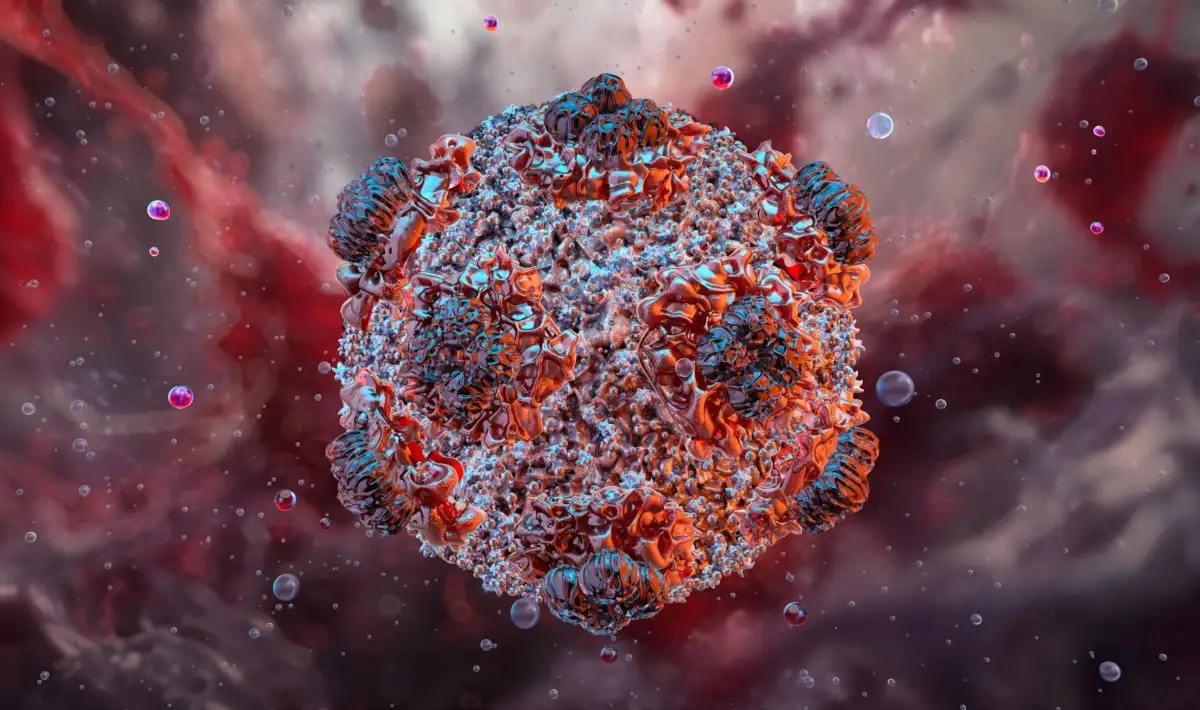
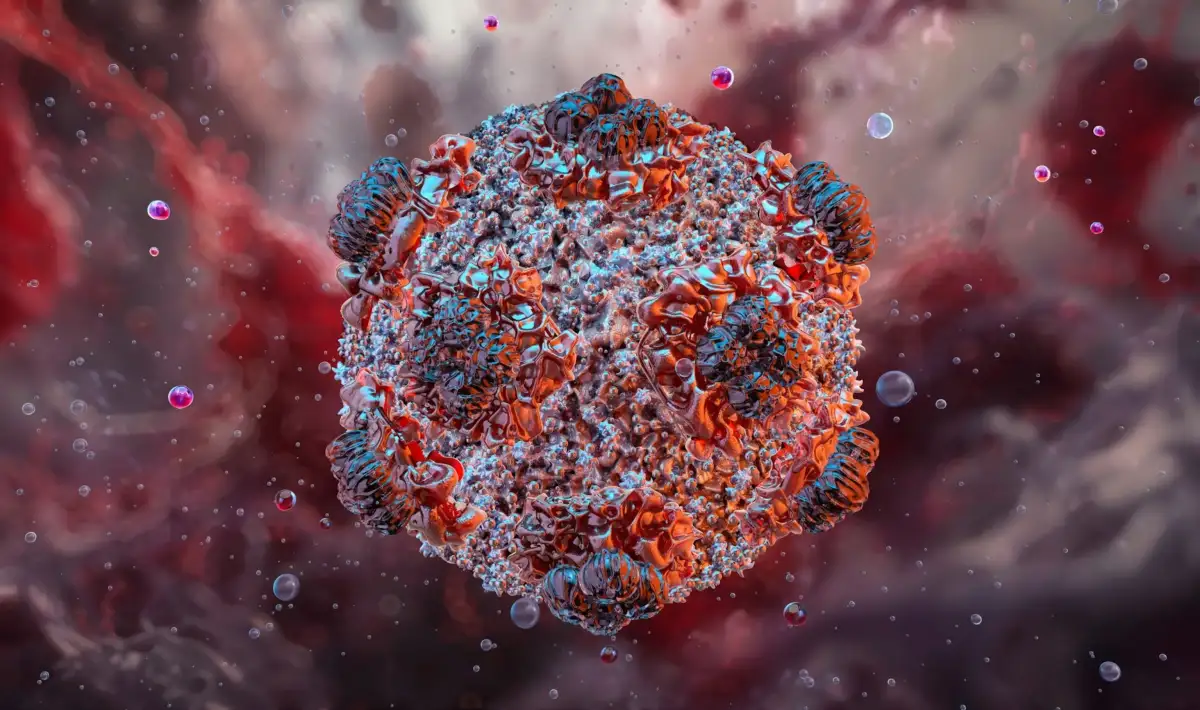
The hantaviruses, belonging to the Bunyaviridae family, are found on every continent. They primarily infect rodents, which act as asymptomatic carriers, shedding the virus through their urine and feces. Humans contract the virus through direct exposure to rodent excreta or inhalation of aerosolized virus particles.

The type of hantavirus strain dictates the severity and manifestation of the disease. While hantaviruses in Europe and Asia can cause Hemorrhagic Fever with Renal Syndrome (HFRS), those in the Americas are more commonly associated with Hantavirus Pulmonary Syndrome (HPS), which can lead to severe respiratory and cardiac complications, including pulmonary edema and acute respiratory distress syndrome.
Read More: India IVF Costs And Social Barriers Limit Access In April 2026
In Europe, particularly northeastern France, the Puumala virus, carried by the bank vole (Myodes glareolus), is the predominant hantavirus. This virus is linked to HFRS. The virus is not considered an emerging pathogen in these regions.
Symptoms of hantavirus infection can vary. Early signs may include cough, fever, chills, muscle aches, headaches, nausea, vomiting, rapid pulse, and shortness of breath. Intestinal issues like stomach aches have also been reported. The most infectious period for transmission, according to health authorities, is during the early, prodromal phase of the illness, often before a patient is hospitalized.
Prevention and Treatment
There are no vaccines or specific antiviral treatments for hantavirus infections. Medical care focuses on managing symptoms and providing supportive care. This can involve managing fever and pain, close monitoring of kidney and respiratory function, oxygen therapy, fluid infusions, and, in severe cases, dialysis or artificial ventilation.
Read More: Margaret River Named World's Best Wine Place
Preventative measures primarily revolve around minimizing contact with rodents, their droppings, and nesting materials. Key recommendations include:
Avoiding direct contact with live or dead rodents and their nests.
Preventing contact with rodent excreta.
Storing food in sealed containers to deter rodents.
Avoiding sleeping or cooking in areas potentially inhabited by rodents.
During outdoor activities like agricultural or forestry work, or even simple walks involving contact with soil or wood, simple precautions can reduce the risk of contamination. These include wearing gloves, working with dusty materials with one's back to the wind, and refraining from touching the mouth with hands. Seeking prompt medical advice if symptoms arise in the weeks following such activities is also advised.
Public health bodies, such as Santé publique France and the national reference centers for hantaviruses, are actively monitoring the situation and disseminating information and prevention tools to healthcare professionals and the general public. Messages have been distributed to doctors and pharmacists to heighten awareness. No specific confinement measures are in place in France or Europe.