New research suggests a connection between the health of gut bacteria and the worsening of diabetic retinopathy, a major cause of vision loss in people with diabetes. Investigations point to specific changes in gut bacteria and their byproducts as potential indicators and contributors to the disease.
The Gut-Eye Connection: A Growing Area of Study
Diabetic retinopathy (DR) is a serious complication of diabetes that affects the eyes. It happens when high blood sugar levels damage the blood vessels in the retina, the light-sensitive tissue at the back of the eye. This damage can lead to vision loss.
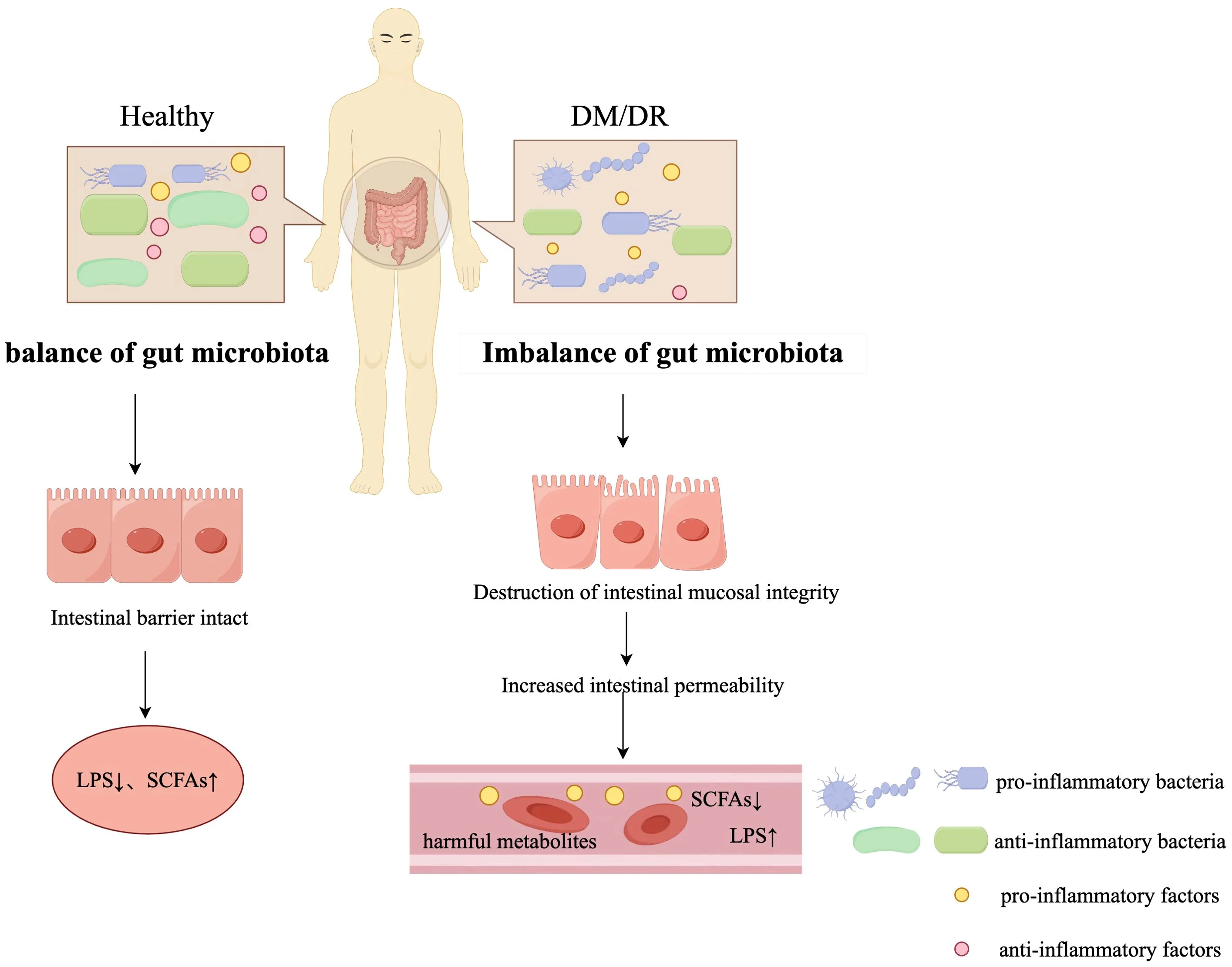
Recent scientific interest has focused on a potential link between the gut microbiome—the community of bacteria and other microbes living in our intestines—and the development and progression of diabetic retinopathy. This connection is often referred to as the "gut-eye axis."
Read More: New Papers Show Epstein Had Health Problems with Sex Hormones
Evidence of Gut Microbiota Alterations in Diabetic Retinopathy
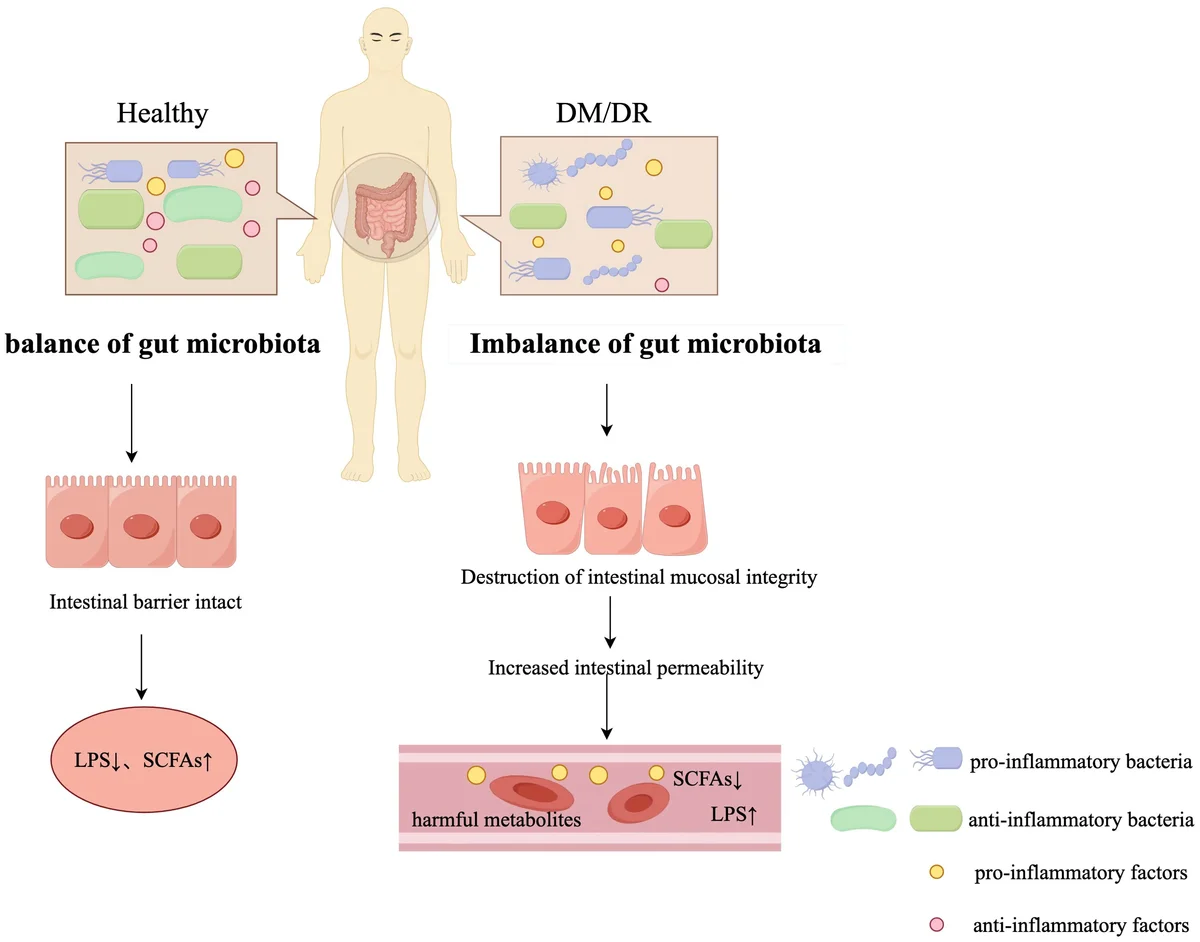
Several studies indicate that people with diabetic retinopathy may have different gut bacteria compositions compared to those without the condition.
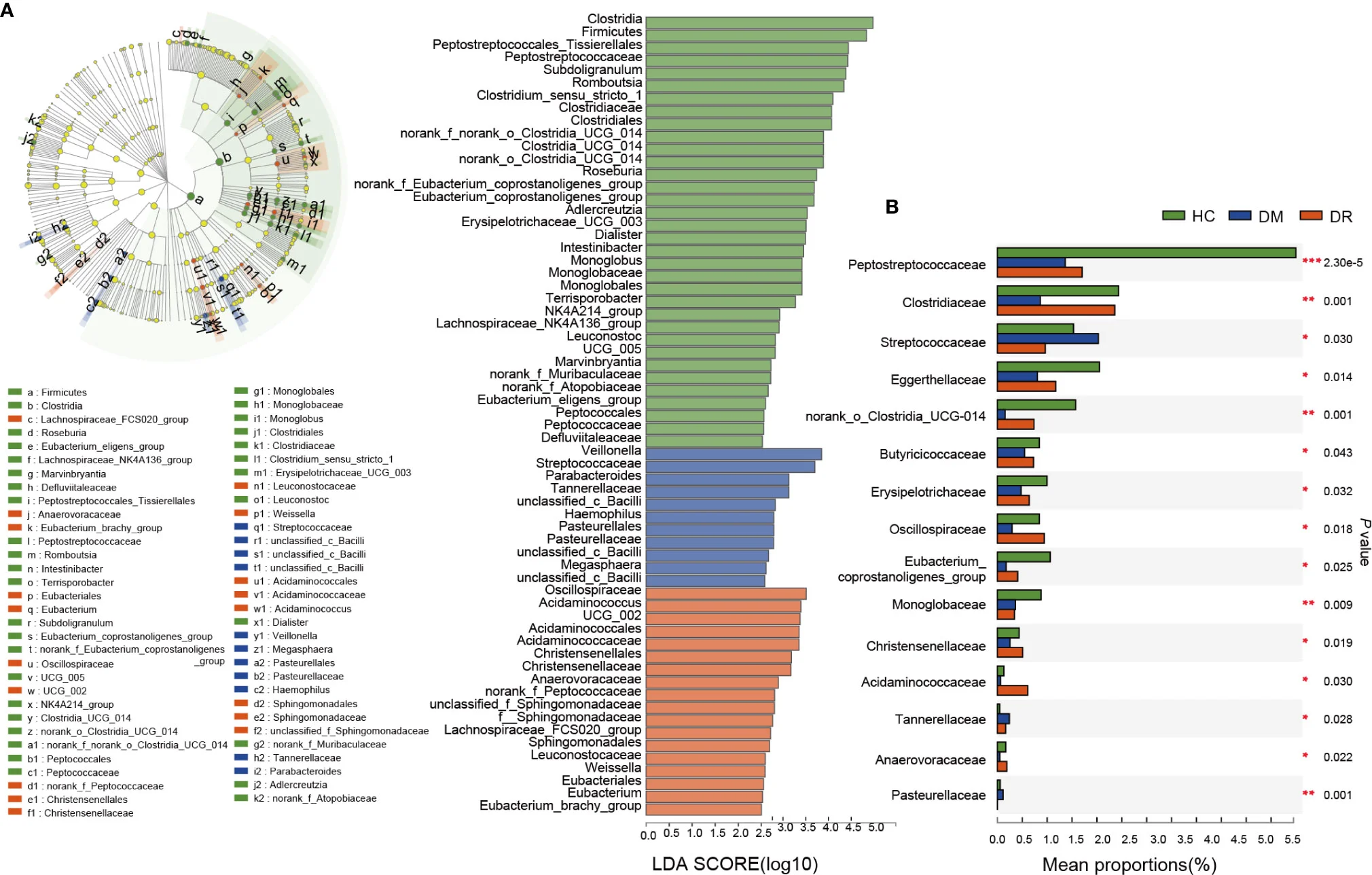
Changes in bacterial profiles: Research has observed distinct differences in the types and amounts of gut bacteria found in individuals with type 2 diabetes and diabetic retinopathy when compared to those without DR or to healthy individuals. This suggests that the gut environment is altered in the context of this eye disease.
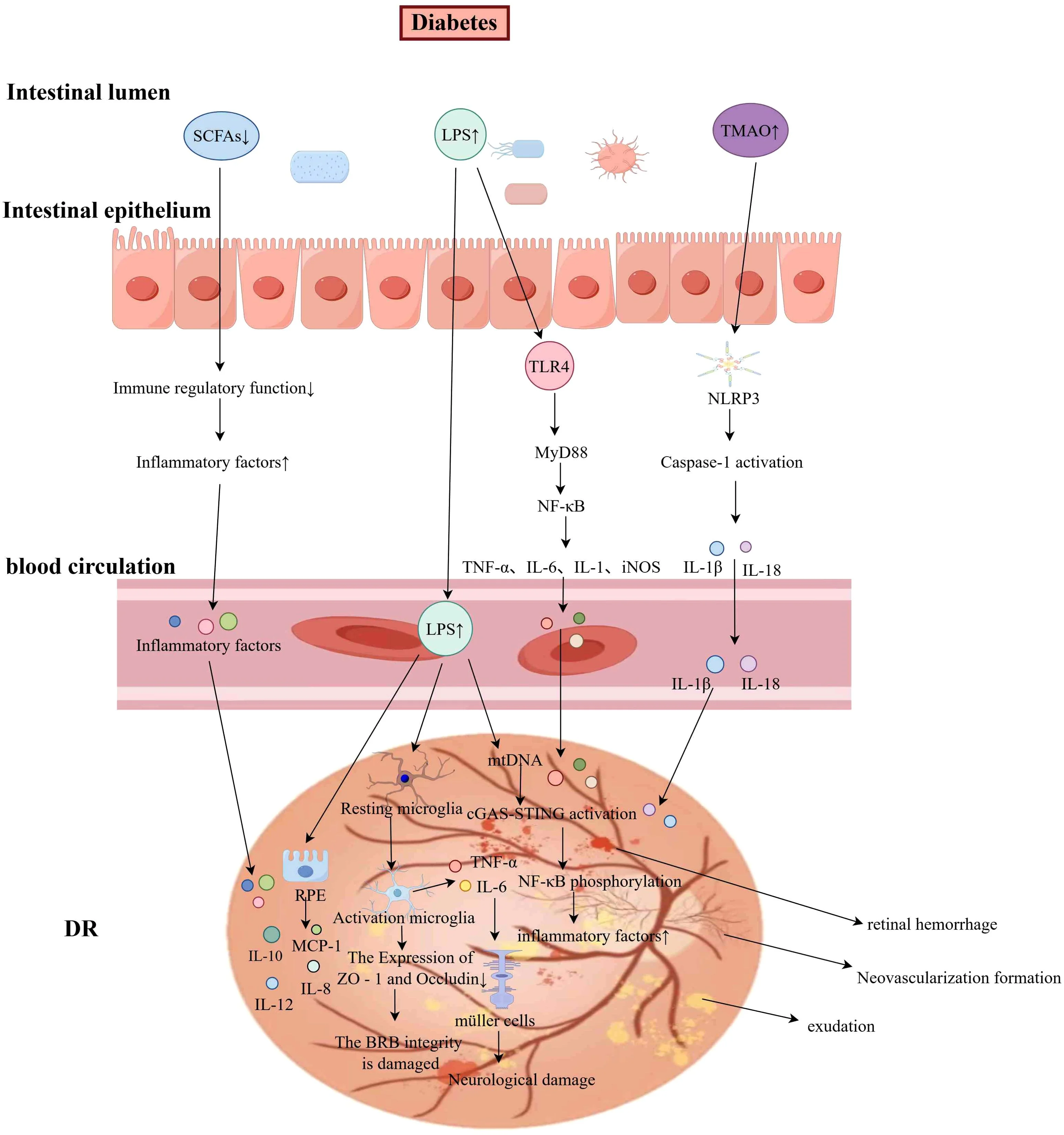
Inflammation as a key factor: Inflammation is widely recognized as a central player in diabetes-related eye conditions like retinopathy. Disruptions in the gut microbiota, known as dysbiosis, are thought to contribute to and exacerbate this inflammation.
Specific metabolites are implicated: Studies have identified that certain substances produced by gut bacteria, such as indolepropionic acid (IPA), may play a role. In individuals with type 2 diabetes, reduced absorption of tryptophan, an amino acid vital for healthy gut bacteria, can lead to lower levels of protective metabolites like IPA.
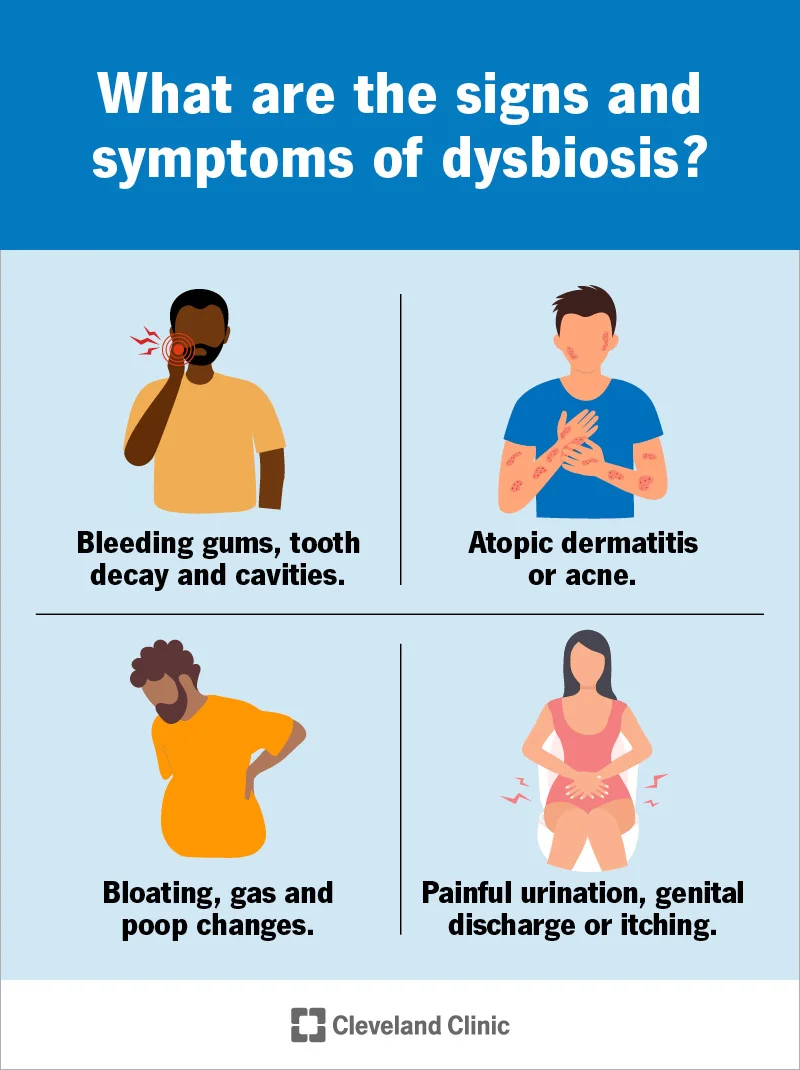
Investigating the Mechanisms: What is Dysbiosis?
Gut dysbiosis refers to an imbalance in the gut microbial community. This imbalance can have widespread effects on overall health.
Read More: AI Finds Sperm, Skin Cells Made Into Eggs for Fertility Help
Weakening the gut barrier: Some types of gut bacteria can damage the lining of the intestines, weakening the gut barrier. This weakened barrier might allow harmful substances to enter the bloodstream, potentially triggering or worsening inflammation throughout the body, including in the eyes.
Reduced protective compounds: An unhealthy gut microbiome may produce fewer beneficial compounds. This depletes the body's natural defenses and can promote disease progression.
Targeting the imbalance: The concept of dysbiosis suggests that restoring a healthier balance of gut bacteria, perhaps through probiotics or other interventions, could be a way to support gut health and potentially influence the course of diabetic retinopathy.
The Role of Tryptophan and Metabolites
One area of focus is the metabolism of tryptophan, an essential amino acid.
Tryptophan's importance: Tryptophan is crucial for various bodily functions and for maintaining a healthy gut microbiome.
Impaired absorption in diabetes: In people with type 2 diabetes, the intestines may not absorb tryptophan as effectively. This reduces the availability of this important nutrient for gut bacteria.
Biomarker potential: Lower levels of circulating IPA, a metabolite derived from tryptophan by gut bacteria, have been observed and may serve as a biomarker for diabetic retinopathy in individuals with type 2 diabetes. This suggests a measurable link between gut activity and the eye condition.
Preventing or reversing damage: Research indicates that restoring tryptophan metabolism in the gut microbiome could potentially prevent or even reverse some of the damage associated with diabetic retinopathy.
Current Knowledge and Future Directions
The precise ways in which gut microbiota changes affect diabetic retinopathy are still being explored.
Read More: Actor James Van Der Beek Dies at 48 from Bowel Cancer; Early Signs Often Missed
Inconsistent findings: While many studies point to a link, there can be some variation in the specific gut bacteria identified as being altered in different patient groups. This highlights the complexity of the gut microbiome and its interactions with disease.
Therapeutic potential: The growing understanding of the gut-eye axis presents new possibilities for treatment. Targeting the gut microbiome could become a complementary strategy alongside existing treatments for diabetic retinopathy.
Further research needed: Continued investigation is required to fully unravel the causal relationships and to develop effective and reliable therapeutic interventions based on modulating the gut microbiome.
Sources:
PubMed:
Article 1: Serban, D., Papanas, N., Dascalu, A. M., Stana, D., Nicolae, V. A., Vancea, G., Badiu, C. D., Tanasescu, D., Tudor, C., Balasescu, S. A., et al. (2023). Diabetic Retinopathy in Patients with Diabetic Foot Ulcer: A Systematic Review. PubMed. https://pubmed.ncbi.nlm.nih.gov/37109497/
Article 6: (This is a meta-analysis referenced in other articles, actual link to this specific paper not directly available via provided input, but theme is covered.) Gut microbiome in diabetic retinopathy: A systematic review and meta-analysis. PubMed. https://www.sciencedirect.com/science/article/pii/S0882401024000573
ScienceDirect:
Article 2: (2026). Differential gut microbiome profiles in diabetic retinopathy: A comparative study across continental populations. ScienceDirect. https://www.sciencedirect.com/science/article/pii/S0168822725010587
University of Alabama at Birmingham (UAB) News:
Article 3: (Published ~5 days prior to input date). Links between gut dysfunction and the eye may reveal therapeutic strategies for individuals with diabetic retinopathy. UAB News. https://www.uab.edu/news/research-innovation/links-between-gut-dysfunction-and-the-eye-may-reveal-therapeutic-strategies-for-individuals-with-diabetic-retinopathy
BMC Ophthalmology (Springer):
Article 4: (2026). The gut–eye axis: microbiota and their role in diabetic retinopathy: a systematic review and meta-analysis. BMC Ophthalmology. https://link.springer.com/article/10.1186/s12886-025-04599-3
Cleveland Clinic:
Article 5: (2024). What Is Gut Dysbiosis? Cleveland Clinic. https://my.clevelandclinic.org/health/diseases/dysbiosis
Read More: New Ways to Help People Have Babies Using Science


:max_bytes(150000):strip_icc()/VWH_EarlySignsofColonCancer-be7dc99d4bfb4a37b2e6bec8d9f4cfd7.png)