


Production Cuts Escalate Amid Strait of Hormuz Impasse
Kuwait has begun slashing oil production, a move mirroring Iraq's earlier output reductions, as a critical shipping lane remains obstructed. The immediate cause: storage tanks are overflowing due to the inability to export crude through the Strait of Hormuz. This cascading effect, triggered by escalating regional tensions, threatens to destabilize global energy markets, with some warning of potential oil price spikes.
"All exporters in the Gulf region will have to call force majeure,” said Qatar’s al-Kaabi, president and CEO of QatarEnergy.
QatarEnergy itself has halted LNG production at its massive Ras Laffan hub and issued force majeure notices to buyers. Reports indicate Kuwait's production outages' scope remains unquantified.
Storage Woes Drive Production Halt
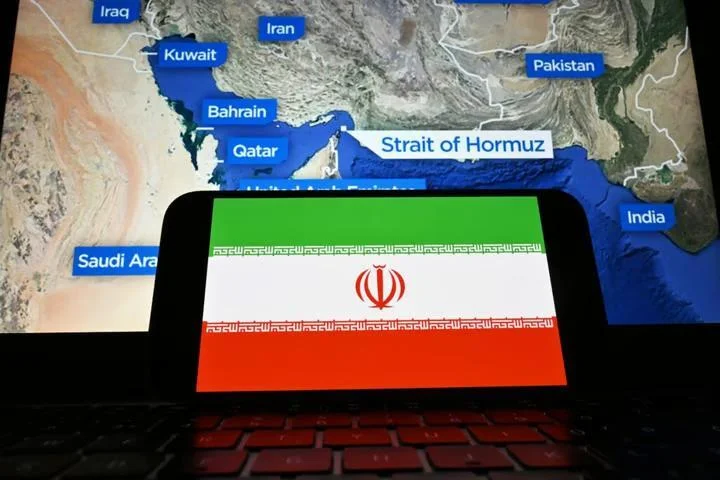
The core issue for producers like Kuwait is the sheer volume of stored oil. With the Strait of Hormuz, a vital artery for nearly a fifth of the world's crude oil and liquefied natural gas, effectively closed to tanker traffic, the accumulating product has nowhere to go. Analysts suggest that if exports don't resume, other Gulf producers could face similar shutdowns as their own storage capacities reach critical limits. Some officials are reportedly considering further output reductions, potentially scaling back to levels sufficient only for domestic needs if the bottleneck persists.
Read More: Iran closes Strait of Hormuz, raising oil prices for China and Russia
Regional Ripple Effect and Price Projections
The disruption extends beyond Kuwait and Iraq. Qatar's halt in LNG production raises concerns about natural gas shortages in some Asian and European economies heavily reliant on its supply. The Strait of Hormuz disruption, stemming from an ongoing crisis involving Iran, has already seen Iranian hits on multiple vessels.
Experts project potential price surges, with estimates suggesting Brent crude could reach $100-$120 per barrel in severe, prolonged scenarios. This volatility is compounded by soaring insurance prices for regional oil shipments. The worst-case scenario, according to some analysts, involves Iran deploying naval mines in the strait, a measure that could take months to clear, or a broader targeting of energy infrastructure across the Gulf.
A Brief History of Blockades
The Strait of Hormuz, a narrow chokepoint between Iran and Oman, has historically been a flashpoint for regional tensions. Its strategic importance means any disruption has immediate and far-reaching consequences for the global energy supply. The current crisis marks a significant escalation, forcing producers who rely on this route for export to confront difficult choices about production levels and storage capacity.
Read More: Beirut Woman Twice Displaced by Israeli Attacks on Hezbollah Facilities