The strategic waterway, vital for global oil and LNG transport, faces declared closure by Iran, creating ripple effects that could financially crimed Russia and disrupt China's energy imports.
The Strait of Hormuz, a critical chokepoint for international energy shipments, has been declared closed by the Iranian regime, a move that has immediately impacted tanker traffic. Merchant seamen now report fear of missile strikes, leading to a sharp drop in oil tanker transit. This disruption carries significant implications for the global economy, potentially affecting oil prices, shipping insurance, and the willingness of crews to enter active conflict zones, rendering the strait commercially unusable.
Iran's declaration of closure for the Strait of Hormuz, citing threats of vessels being "torched," has already caused a sharp decline in oil tanker traffic. This situation directly impacts Russia, which relies on shadow fleet tankers for oil exports, and China, a major importer of sanctioned Iranian oil. The ongoing "whittling away of ghost fleet ships" further complicates Russia's ability to move oil.
Read More: Solaris Energy SEI Stock Price Forecast Reaches $91.98 by July 2027
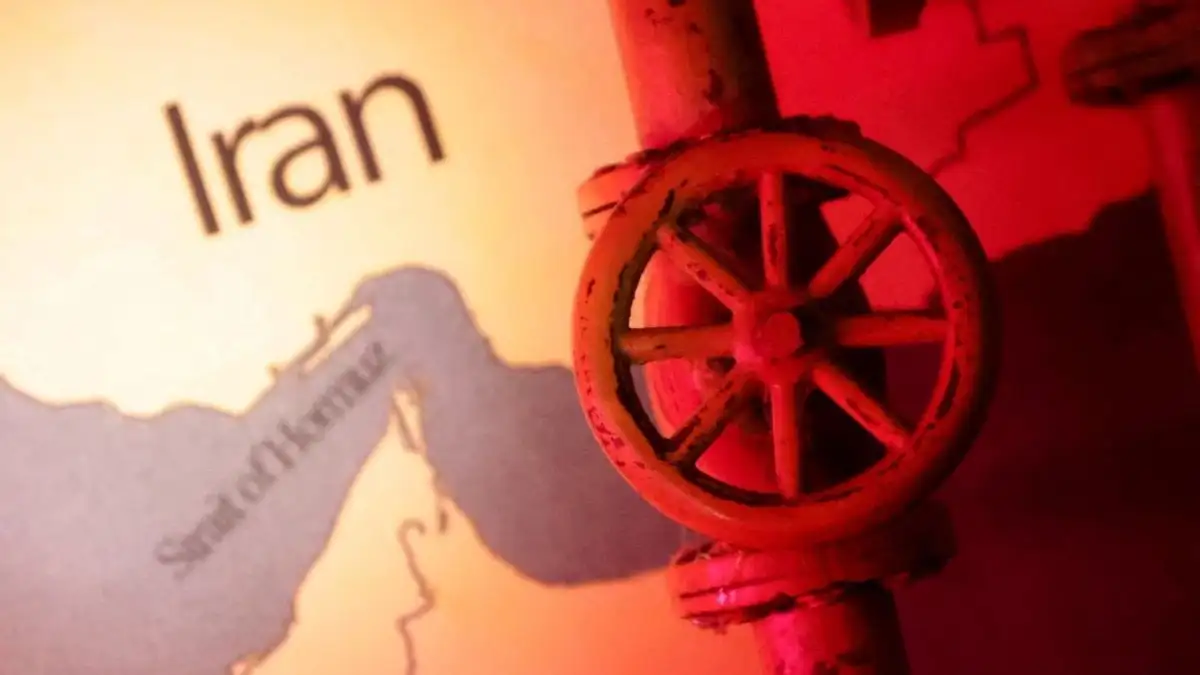
Shadow Fleet Under Scrutiny Amidst Hormuz Tensions
The conflict has also brought increased attention to the "shadow fleet" – unflagged or surreptitiously flagged oil tankers connected to economically isolated nations like Cuba, Iran, and Russia. Belgium's army recently interdicted a shadow fleet tanker, the MT Ethera, in the North Sea, highlighting the international scrutiny these vessels face. The Treasury Department, overseeing the U.S. Office of Foreign Assets Control (OFAC), is reportedly monitoring the effects of this fleet.

China's Energy Security Tested, South Asia Faces Acute Strain
While China is a significant energy importer, it possesses stockpiles and alternative supply routes that may offer some buffer against a complete Hormuz closure. However, a sustained disruption would test its energy security, particularly as China has become Moscow's top client for seaborne crude shipments, replacing India. Analysts note that South Asia, particularly buyers reliant on spot LNG, would face the most acute disruption and sharply higher replacement costs as Asia competes with Europe for Atlantic cargoes.
Read More: Iran Warns Gulf States After U.S. Naval Clash
Broader Economic Repercussions
Beyond energy markets, the conflict has begun to reprice energy, shipping, insurance, and financial risk globally. Rising oil prices have direct impacts on real economic activity, potentially leading governments to take measures to mitigate the impact on households. Some nations are already drawing on fuel funds or banning petroleum exports to protect consumers from climbing prices.
BACKGROUND
The Strait of Hormuz, situated between Iran and Oman, is one of the world's most crucial maritime chokepoints. Approximately 30% of the world's seaborne oil trade passes through this narrow waterway. The current tensions stem from escalating geopolitical conflicts in the Middle East, with recent actions including a reported US-Israel attack on a Middle Eastern country cited as a contributing factor to the current instability. The use of "shadow fleets" by nations under economic sanctions has become a prevalent strategy to circumvent international restrictions on oil exports.
Read More: Summer AC Settings: Save Money by Raising Thermostat