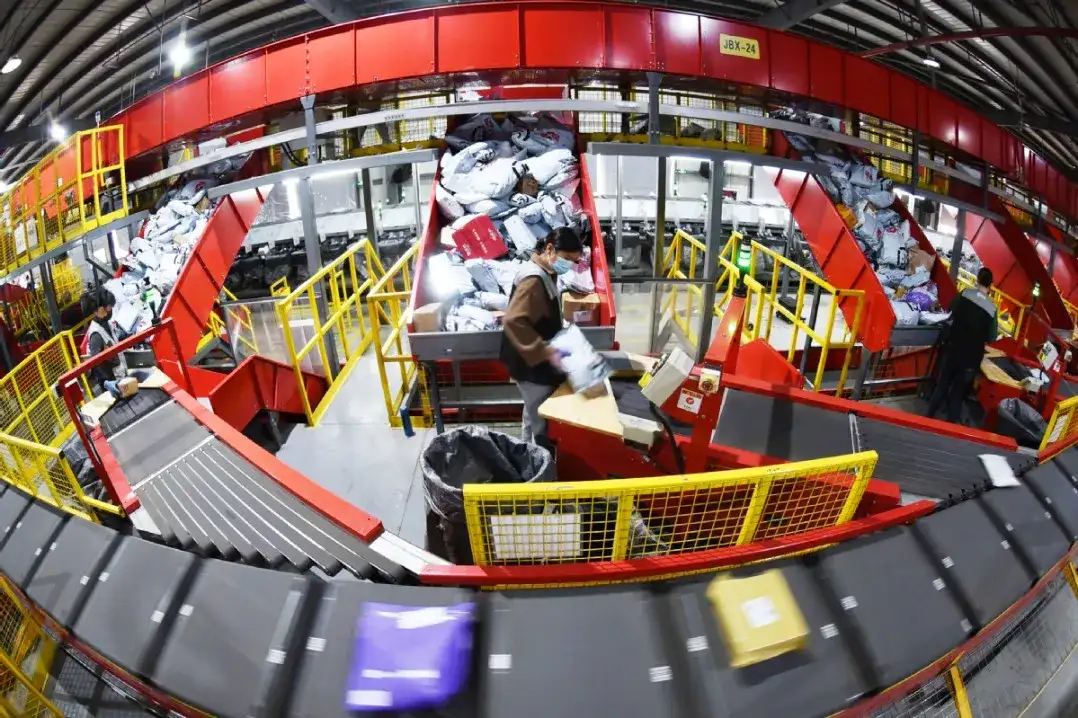
Guangdong, China's economic powerhouse for over three decades, is setting its sights on a profound industrial transformation, with artificial intelligence embedded at its core. The province, boasting a GDP of approximately 14.6 trillion yuan ($2.1 trillion) in 2025 – exceeding the economic output of nations like Australia – has announced a strategic pivot. This initiative aims to accelerate the "AI plus" integration across diverse sectors and propel the widespread commercialization of AI technologies. The pronouncements came alongside the unveiling of a government work report and a five-year policy blueprint that elevates AI-driven industrial upgrading as a central tenet of economic growth.
The province’s strategy hinges on developing critical AI infrastructure, including large-scale computing clusters, a move articulated by Huang Kunming, Guangdong's Communist Party secretary. This infrastructure push is crucial for supporting the immense computational demands of advanced AI systems. Furthermore, Meng Fanli, the provincial governor, emphasized deepening AI applications and pushing for large-scale AI commercialization. This dual focus on infrastructure and application signals a comprehensive approach to integrating AI into the provincial economy.
Read More: FIFA World Cup 2026 Revenue Reaches $15 Billion With New Ticket Prices
TECH HUB SHENZHEN ACCELERATES DOMESTIC SUBSTITUTION EFFORTS
Within Guangdong, Shenzhen, recognized as China's premier technology hub, is playing a pivotal role. Qin Weizhong, the city's mayor, highlighted double-digit growth in sectors such as AI, robotics, and semiconductors last year, with strategic emerging industries now constituting 43% of Shenzhen's GDP. Shenzhen's importance extends beyond its provincial borders; as a linchpin in global supply chains for consumer electronics and electric vehicles, its AI deployment could directly impact how entities like the European Union and the United States navigate their supply chain dependencies on China amid escalating geopolitical tensions.
The city is actively pursuing "domestic substitution" in areas like chipmaking equipment, computing clusters, and EDA software – domains where China faces technological gaps and restrictive U.S. controls. Mayor Qin called for intensified central government support to foster a self-sufficient AI hardware and software ecosystem and to advance China-led standards in fields like AI and smart vehicles. This reflects a broader national ambition to build independent technological capabilities.
Read More: China Ethnic Unity Law starts July 1 2026 for all citizens
STATE CAPITAL TO FLOW INTO ADVANCED MANUFACTURING
The strategic infusion of capital is also a key component. A provincial state-asset official indicated that Guangdong would direct state capital towards advanced manufacturing, specifically targeting sectors like AI and drones. This government-backed investment signals a clear commitment to nurturing and scaling up these critical industries.
Corporate leaders are also aligning with this AI-centric vision. Feng Xingya, chairman of the automaker GAC Group, confirmed his company's plans to deepen the integration of AI models within their autonomous driving systems. This move by a major automotive player underscores the anticipated impact of AI across various industrial verticals.
BACKGROUND
Guangdong province has long been the engine of China's economic growth, consistently ranking as the nation's largest provincial economy. Its status is underpinned by a robust manufacturing base and a significant concentration of technology firms. This established ecosystem is seen as an ideal environment for the large-scale deployment of AI. The province’s extensive role in global supply chains means its adoption of AI could have far-reaching implications for global production systems. The development of AI necessitates substantial computing power, vast datasets, and sophisticated cloud infrastructure, all of which are central to Guangdong's current strategic planning.
Read More: Hunter Region Gets $12 Billion Train Factory