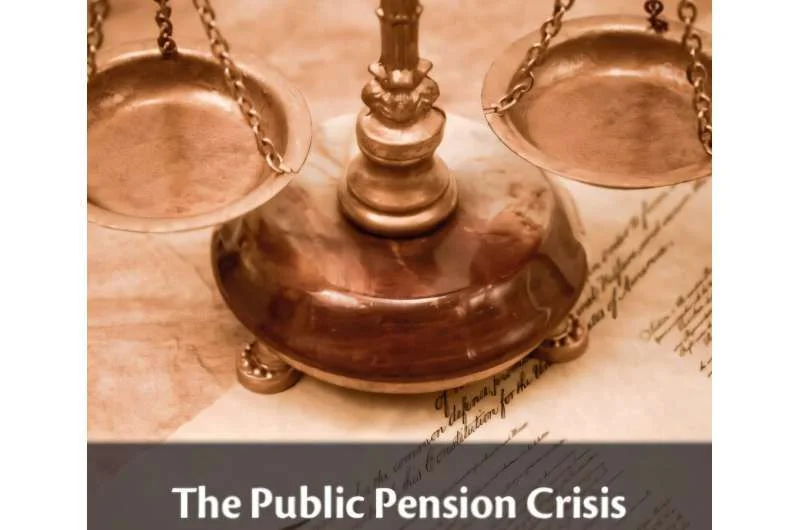
Contractual Battles Emerge Over Benefit Reductions
The core of the escalating public pension quandary appears to be a legal tug-of-war. State and local governments, facing mounting pension debts, have increasingly turned to legislation to curb employee benefits. This move has been met with stiff resistance from workers, often manifesting in lawsuits that invoke the 'Contract Clause' of the Constitution. This clause dictates that states cannot pass laws that impair existing contractual obligations.
Leigh Anenson, a business law professor at the Robert H. Smith School of Business, has recently authored a book examining this very crisis. Her work delves into the legal complexities, particularly focusing on how courts are interpreting statutes to determine if pension plans constitute contracts, and when such legislative interventions are permissible.
Deepening Debt, Limited Solutions
Public pension debt represents a significant and far-reaching fiscal challenge. Despite its considerable impact, options for resolving the crisis appear scarce. Governments' attempts to legislate benefit cuts have become a flashpoint, with employees leveraging legal challenges to protect their promised retirements.
Read More: UK Pension Errors Mean Many Women May Get Back Pay
Unpacking the Roots of Public-Sector Unionism
Beyond the immediate legal skirmishes, the historical underpinnings of public sector employment and unionization are also under scrutiny. Research suggests the historical divide between private and public sector labor was perhaps not as distinct as often portrayed.

Organizing efforts in the public sector have, at times, coincided with strong private sector union activity in the same locales, hinting at potential cooperation between employee groups. This suggests a more complex tapestry of labor relations that may influence current pension dynamics.
Broader Retirement Security Concerns
The issues surrounding public pensions are part of a wider national conversation about retirement security. Reports indicate a significant portion of Americans believe the nation is grappling with a retirement crisis. Many workers also lack access to employer-provided retirement plans, exacerbating concerns about long-term financial stability.
Organizations like the 'National Institute on Retirement Security' are actively researching and discussing various facets of retirement, including Social Security, defined contribution plans, and the overall importance of retirement security for Americans.
Read More: Supreme Court May Order Ayodhya Temple Fund Audit Due to Theft Claims
International Parallels
While the focus has been on domestic pension woes, similar pressures are felt internationally. Reports from Britain have highlighted a growing pensions crisis that could exacerbate national debt. In that context, defined benefit pension schemes, traditionally major purchasers of government debt, are becoming sellers, potentially increasing government borrowing costs and forcing difficult fiscal decisions.