As a key government funding deadline approaches, lawmakers find themselves at an impasse over immigration enforcement policies. This disagreement is creating significant tension, raising the specter of a partial government shutdown and casting a shadow over ongoing negotiations. The core of the dispute centers on proposed new restraints on the operations of U.S. Immigration and Customs Enforcement (ICE), with Democrats advocating for stricter guidelines and Republicans resisting these changes.
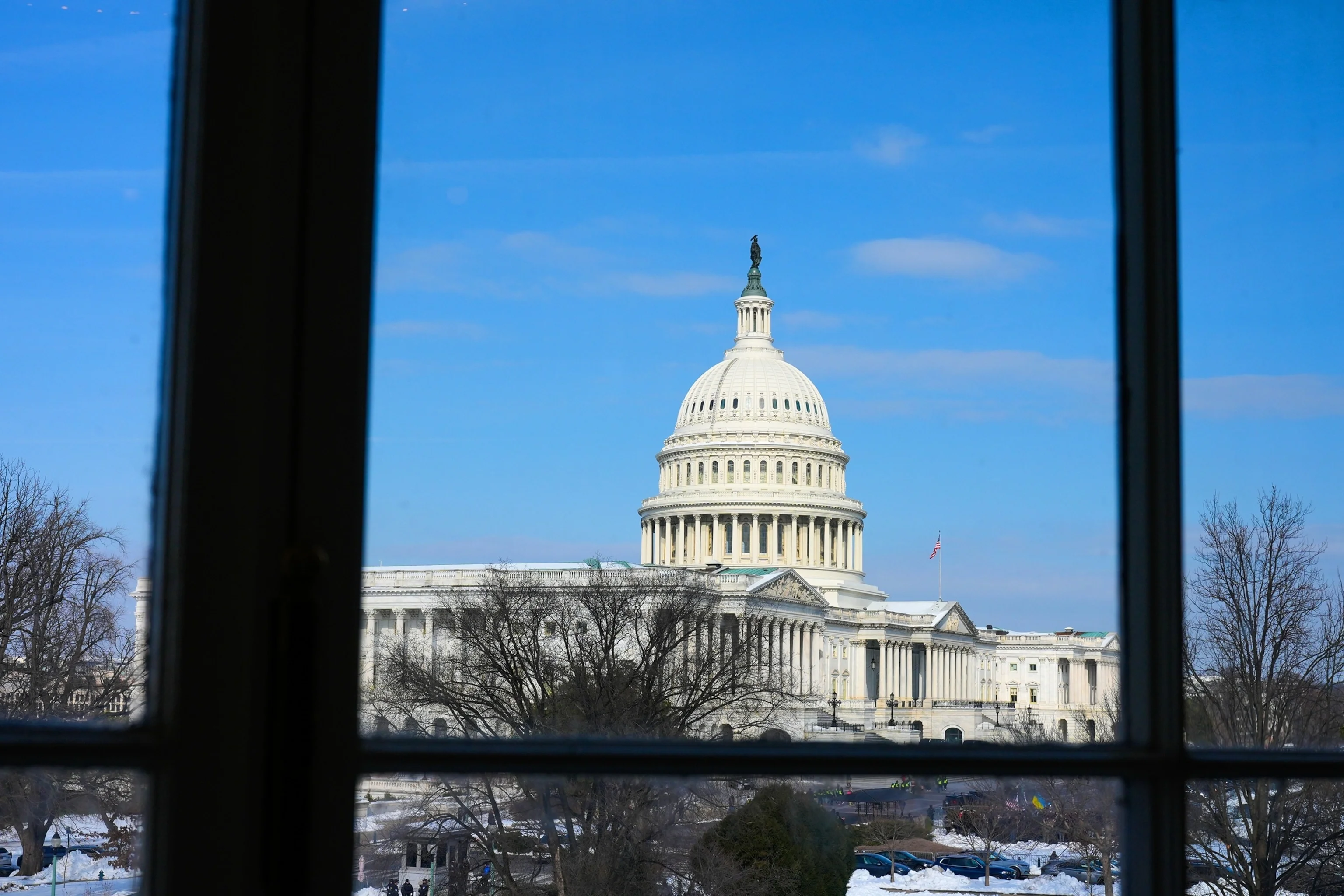
Legislative Standoff Over Homeland Security Funding
The U.S. Congress faces a critical deadline to pass funding for the Department of Homeland Security (DHS).
Failure to reach an agreement by the deadline could trigger a partial government shutdown.
A primary point of contention involves proposed new regulations for ICE.
Democrats' Demands for Immigration Enforcement Reforms
Democrats have articulated a set of demands that they insist must be included in any DHS funding bill. These proposals aim to significantly alter current immigration enforcement practices.
Read More: People Talk About Keir Starmer's Job as Labour Leader
Judicial Warrants: A core demand is the requirement for judicial warrants before ICE agents can enter private property. This seeks to establish a clearer legal boundary for enforcement actions within homes and private spaces.
Face Mask Ban: Democrats are calling for a ban on ICE agents wearing face masks during operations. This proposal appears to aim at increasing transparency and accountability by making agents identifiable.
Body Camera Mandate: A requirement for ICE agents to use body cameras is also on the table. This measure is intended to record interactions and provide an objective record of enforcement activities.
Use-of-Force Standards: New legislation is sought to redefine and strengthen use-of-force standards for ICE agents. This suggests concerns about the current guidelines and a desire for more defined rules of engagement.
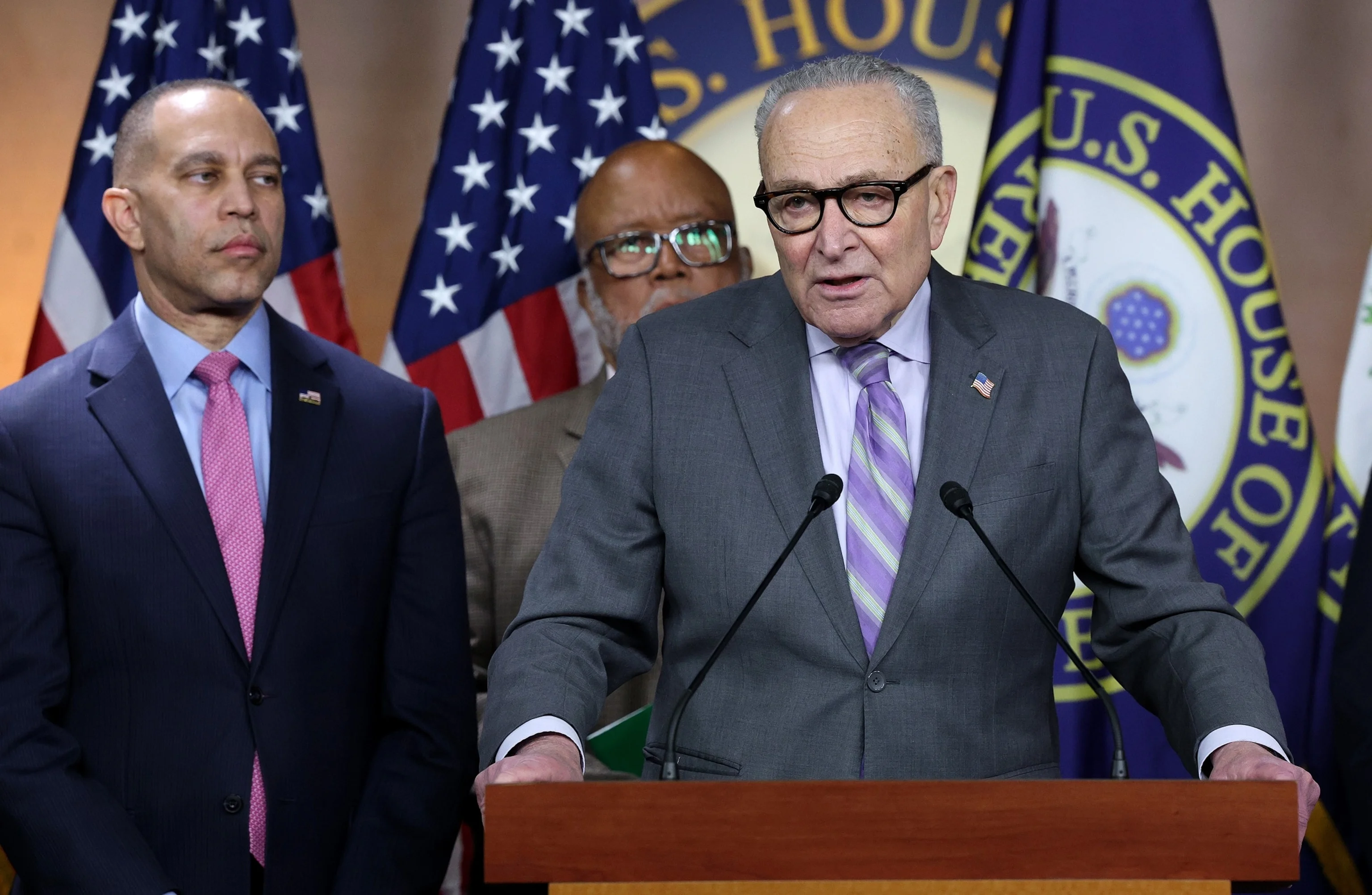
"Leader Schumer and I had a close, positive conversation yesterday about the path forward." - Senate Minority Leader Chuck Schumer, as reported by ABC News.
Senate Minority Leader Chuck Schumer said they "had a really good and productive meeting, and we're on the same page." - ABC News.
Read More: ICE Agents Arrested After Claims of Bad Behavior and Crime
Democrats appear united in their stance, linking these demands to public sentiment following certain immigration enforcement actions. They have suggested that Republicans are creating a scenario that could lead to a shutdown.

ICE Policy Shifts Under the Trump Administration
Recent policy changes implemented by the Trump administration have also contributed to the complex landscape of immigration enforcement. These shifts have drawn scrutiny and are a backdrop to the current legislative debate.

Limited Bond Hearings: A notable policy change restricts judges' ability to grant bond for most detained migrants. This means individuals may remain in custody for extended periods without the possibility of release on bond.
This policy was reportedly first disclosed through advocates who read about it in The Washington Post and later heard portions read by DOJ attorneys during bond hearings.
Reinterpretation of Immigration Law: The administration has reinterpreted immigration law, which advocates suggest mandates detention after arrest. This has shifted decision-making power regarding release from immigration judges to ICE agents.
This reinterpretation is seen as a significant departure from previous practices and is anticipated to face legal challenges.
Impact on Asylum Claims: Reports indicate a plan to potentially end asylum claims and expedite deportations for a substantial number of migrants. This would affect individuals who entered the U.S. unlawfully and subsequently applied for asylum.
Under existing U.S. law, individuals fleeing persecution or violence in their home countries can claim asylum. A significant portion of asylum applicants report entering the U.S. unlawfully.
Read More: Trump Disagrees with Federalist Society, Judge Stops His Courtroom Talk
"The whole notion is to put people into detention." - A statement from an advocate, as reported by USA Today, regarding the policy of limiting bond hearings.
"The policy marks a significant shift in immigration enforcement and is expected to face legal challenges." - Newsweek, on a new immigration rule targeting undocumented residents.
Negotiations and Potential Consequences
The current situation points to a strong possibility of lawmakers failing to enact a funding measure before the upcoming deadline. While some progress in talks has been noted, a definitive agreement remains elusive.
A short funding lapse and partial government shutdown are now considered the most likely outcome.
However, the impact on federal operations may be minimal if any shutdown is swiftly resolved within a few days.
"Democrats refused to renew funding for the Homeland Security Department unless new restraints were placed on immigration enforcement." - Bloomberg Law.
Expert Analysis
The ongoing dispute highlights a deep division in approaches to immigration enforcement.
Read More: New Law Stops Government Payments to People Who Have Died
Transparency and Due Process: The Democratic proposals for judicial warrants, visible identification (no masks), and body cameras underscore a focus on transparency and due process in immigration enforcement. Critics of current policies argue these measures are essential to ensure fair treatment and accountability.
Enforcement Priorities: The Trump administration's policies, such as limiting bond hearings and reinterpreting detention laws, reflect a prioritization of strict enforcement and detention. Proponents of these measures often cite national security and border control as primary objectives.
Legal Challenges: The administration's immigration policies have repeatedly faced legal opposition. The reinterpretation of laws and new enforcement strategies are likely to continue being tested in the courts, indicating an ongoing legal battle over the scope of executive authority in immigration matters.
Conclusion
The upcoming government funding deadline is overshadowed by a contentious debate over immigration enforcement. Democrats have put forth a list of demands, including requirements for warrants, an end to ICE agents wearing face masks, body camera use, and updated use-of-force standards. These demands are linked to a broader effort to reform ICE operations, spurred by public sentiment. Concurrently, recent policy changes under the Trump administration, such as limiting bond hearings for migrants and reinterpreting detention laws, have intensified the debate and are facing scrutiny and potential legal challenges.
Read More: Lawmakers Question Attorney General Bondi on Epstein Files
While negotiators are engaged, the current impasse makes a short-term funding lapse and partial government shutdown a strong possibility. The ultimate resolution of this legislative battle will depend on the ability of lawmakers to bridge their significant differences on how immigration enforcement should be conducted. The outcome will have immediate implications for government operations and potentially long-term effects on immigration policy.
Sources Used:
ABC News: Published 3 days ago. Discusses the congressional fight over ICE restrictions and the possibility of a government shutdown, detailing Democratic demands and the outlook of congressional leaders.
Bloomberg Law: Published Jan 30, 2026. Reports on a deal to avert a major shutdown and the progress made, focusing on the Democratic stance on DHS funding and restraints on immigration enforcement.
USA Today: Published Jul 16, 2025. Covers a new ICE policy that limits bond for detained migrants, keeping them in custody longer, and notes the policy was not publicly released by the administration.
Newsweek: Published Jul 15, 2025. Details a new immigration rule from the Trump administration targeting undocumented residents and shifts in enforcement tactics, including the role of ICE agents versus judges in parole decisions.
Ogmen Law Firm: Published Aug 25, 2025. A legal firm's overview of ICE limiting bond hearings for undocumented immigrants, providing a legal perspective on the policy.
Link: https://ogmenlaw.com/ice-limits-bond-hearings-for-undocumented-immigrants/
CNN Politics: Published Jun 25, 2025. An exclusive report on a new Trump administration plan that could affect asylum claims and speed up deportations for hundreds of thousands of migrants.
Link: https://www.cnn.com/2025/06/25/politics/migrants-asylum-claims-deportations
Read More: Congress Leader Accuses Finance Minister of Lying to Parliament About WTO Deal