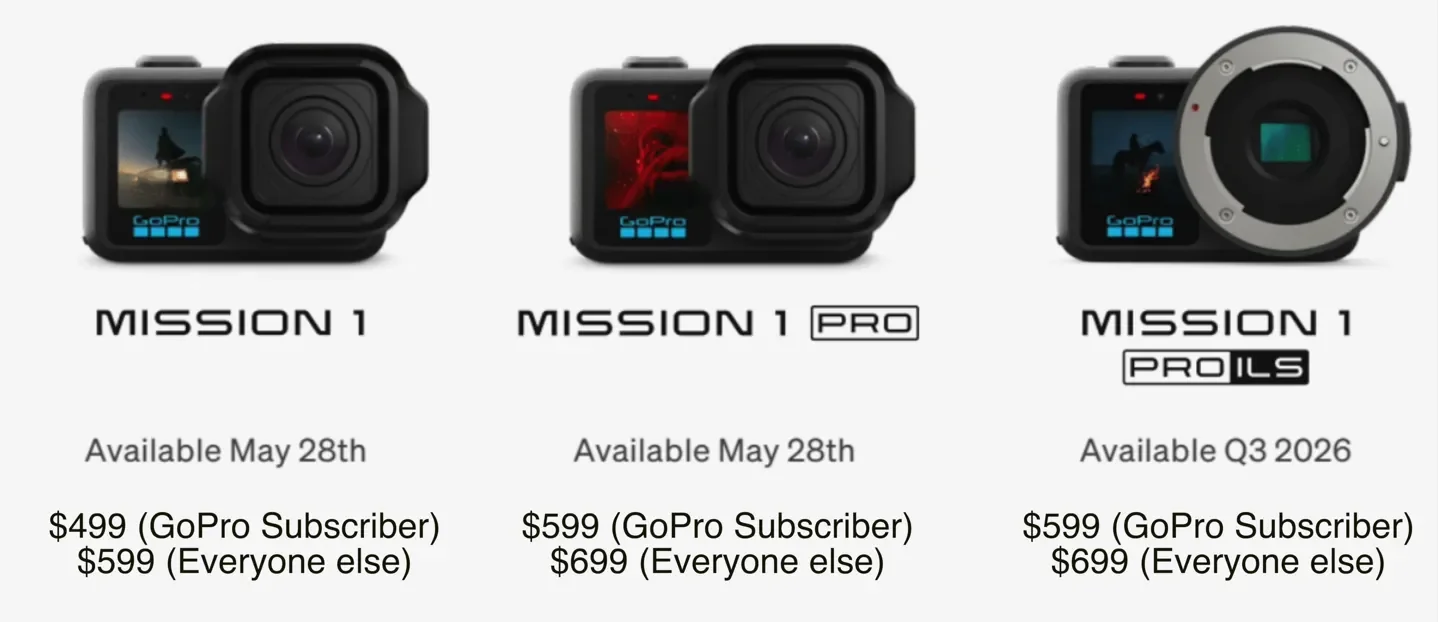
GoPro's new Mission 1 series, including the Mission 1 Pro and Mission 1 Pro ILS, introduces a significant departure from their established action camera blueprint, notably featuring a large one-inch sensor and advanced video capabilities. This new sensor, described as 73.6 percent larger than that in the Hero13, enables shooting 50MP RAW still photos and capturing 8K video. The Mission 1 Pro and Mission 1 Pro ILS models boast 8K video capture at 60 frames per second, with ultra-slow motion options up to 960 fps at 1080p resolution in short bursts. The base Mission 1 model offers 8K at 30 fps and slower frame rates for its high-resolution modes.
The inclusion of a one-inch sensor and a new GP3 processor is a core upgrade, promising improved low-light performance and richer detail compared to previous GoPro models.
The series comprises three main iterations: the Mission 1, the Mission 1 Pro, and the Mission 1 Pro ILS. The Mission 1 Pro ILS is distinguished by its DSLR-style Micro 4/3rds lens mount, integrating a lens system that offers manual focus control, a stark contrast to GoPro's traditional fixed-focus action cameras. This model is explicitly positioned for users prioritizing control over simplicity, offering full sensor performance without the added cost of unused features. In contrast, the Mission 1 Pro unlocks the full performance potential of the platform without these specific lens-system limitations.
Read More: Venture Capitalist Criticizes Cloudflare CEO After 1,000 Job Cuts
Battery performance is also a focal point, with a new Enduro 2 battery claimed to provide over three hours of 4K 30-fps recording and nearly an hour at 8K. Notably, batteries are interchangeable between the Mission 1 series and the GoPro Hero 13.
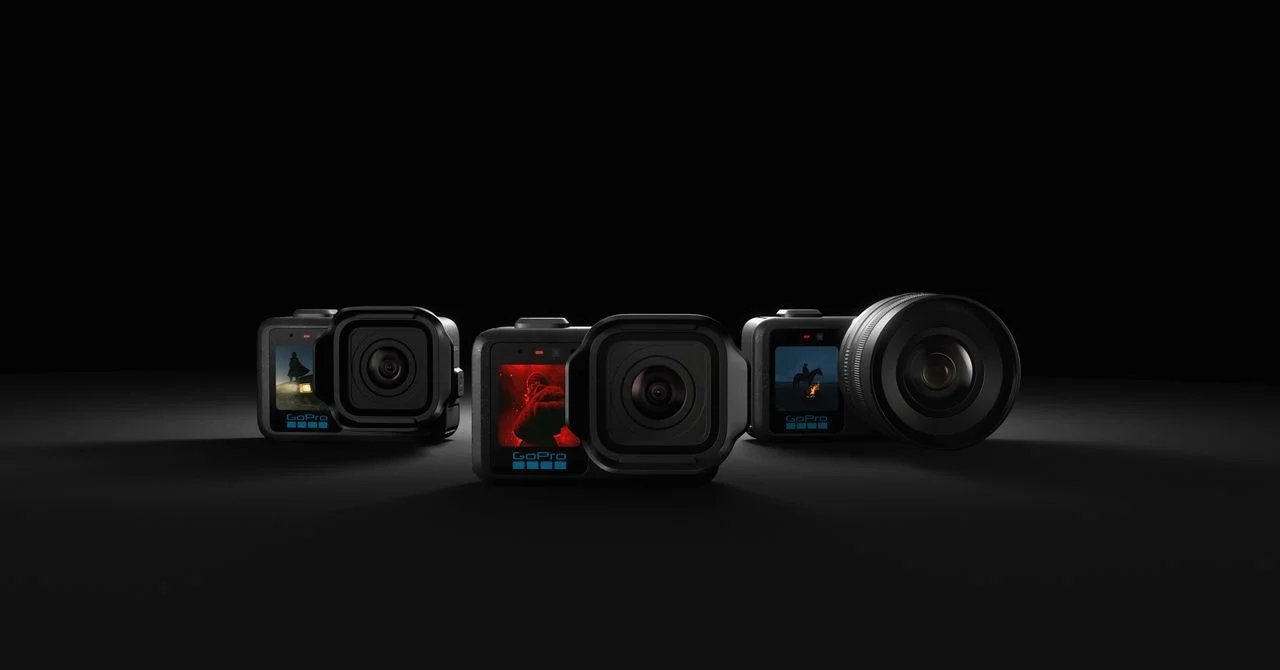
However, this new direction presents compatibility challenges with existing GoPro accessories. The Mission 1 Pro and Mission 1 Pro ILS are too large for the Hero 13 Black Media Mod and Dive Case. While Hero 13 batteries are compatible, some accessories like the ND Filters, Macro Lens Mod, Anamorphic Lens, and Max Lens Mod 2.0 do not physically fit over the new sensor. The Hero 13 Black Battery Charger can be used, but at a reduced speed.
Read More: Anthropic AI valuation could reach $1.5 trillion by late 2026
Technical Specifications and Model Differences
| Feature | Mission 1 | Mission 1 Pro | Mission 1 Pro ILS |
|---|---|---|---|
| Sensor Size | 1-inch | 1-inch | 1-inch |
| Max Video | 8K30fps | 8K60fps | 8K60fps |
| Slow Motion | 4K120fps, 1080p480fps | 4K240fps, 1080p960fps | 4K240fps, 1080p960fps |
| Still Photos | 50MP | 50MP | 50MP |
| Lens Mount | Fixed | Fixed | Micro 4/3rds (ILS) |
| Focus | Fixed | Fixed | Manual Focus Only |
| Google Drive Support | Yes | Yes | Yes |
| Processor | GP3 | GP3 | GP3 |
The introduction of the Mission 1 Pro ILS has sparked comparisons to mirrorless cameras, with some suggesting it could challenge the market for point-and-shoot devices. This model, in particular, is designed as a video-first camera, leveraging its substantial sensor for enhanced imaging.
The cameras were announced in mid-April 2026, with initial hands-on reports appearing shortly thereafter. The pricing and specific bundle options for the Mission 1 Pro models were also part of the rollout.
Read More: Pope Warns AI Could Cause Harm If Not Controlled
The Mission 1 Base model is described as nearly identical to the Pro but with slightly reduced frame rates. All three models in the Mission lineup share the same sensor. GoPro has also added 'support for Google Drive' to these new models.