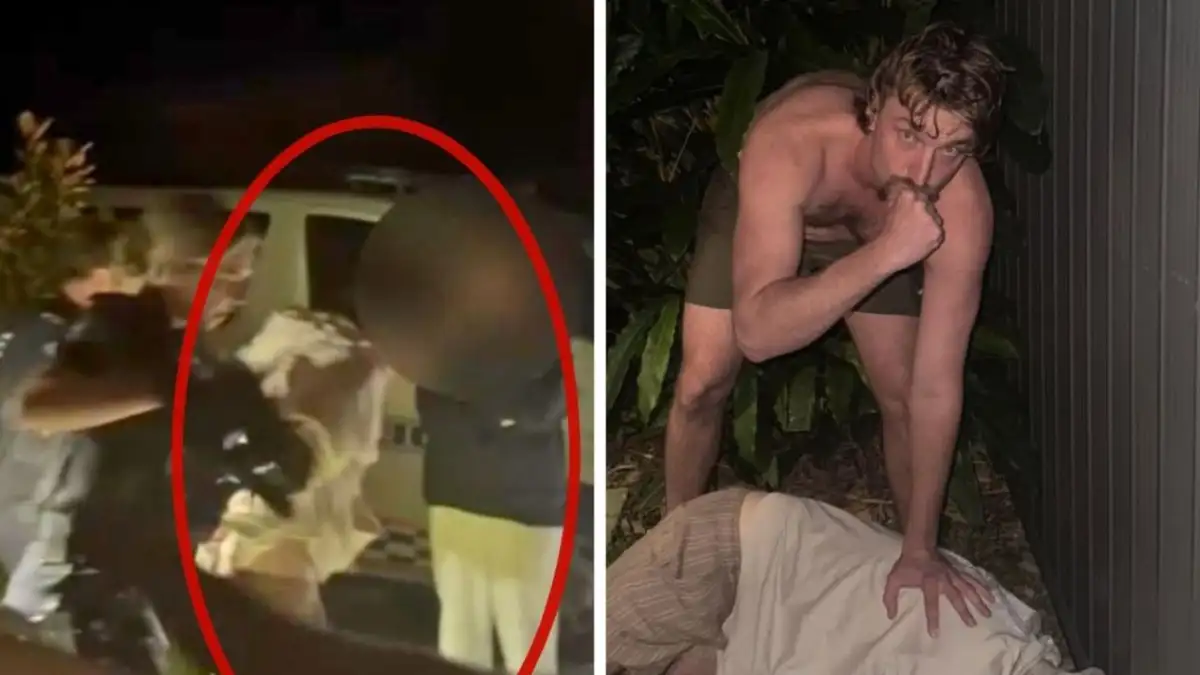
A 15-year-old boy in the Gold Coast now holds a ledger of charges spanning physical cruelty and digital curation. On February 28, authorities added possession of violent extremist material and child exploitation material to a file already thick with allegations of torture and indecent treatment. This child, first pulled into the legal machinery on September 8, exists now as a data point for state surveillance agencies claiming to map the friction between private consumption and public safety.

"The Queensland Police Service monitors individuals and groups who may threaten community safety and works closely with state and federal law enforcement… to respond to potential extremism." — Detective Superintendent Chris Ahearn.
The administrative gaze has fixed upon the ' Gold Coast ' youth as part of a wider net-casting.

The boy was granted bail despite the weight of the allegations.
He is slated for the Southport Children’s Court on March 25.
The specific nature of the "extremist" content remains masked by legal jargon, described only by its capacity to deviate from state-sanctioned norms.
THE MECHANICS OF THE SEARCH
The state’s interest in the boy’s hard drives follows a period of detention for violent acts allegedly committed in late 2024. The transition from physical "torture" charges to digital "possession" charges suggests a retroactive scouring of his electronic history. This layering of offences serves to build a profile of "radicalization," a term used by the Australian Federal Police (AFP) to categorize young people who absorb jagged ideologies through screens.
Read More: Third Teen Charged in Fatal Stabbing Near Melbourne Hospital on Wednesday
| Subject Age | Location | Primary Charge Type | Date of Action |
|---|---|---|---|
| 15 | Gold Coast | Torture / Extremist Media | Feb 2026 |
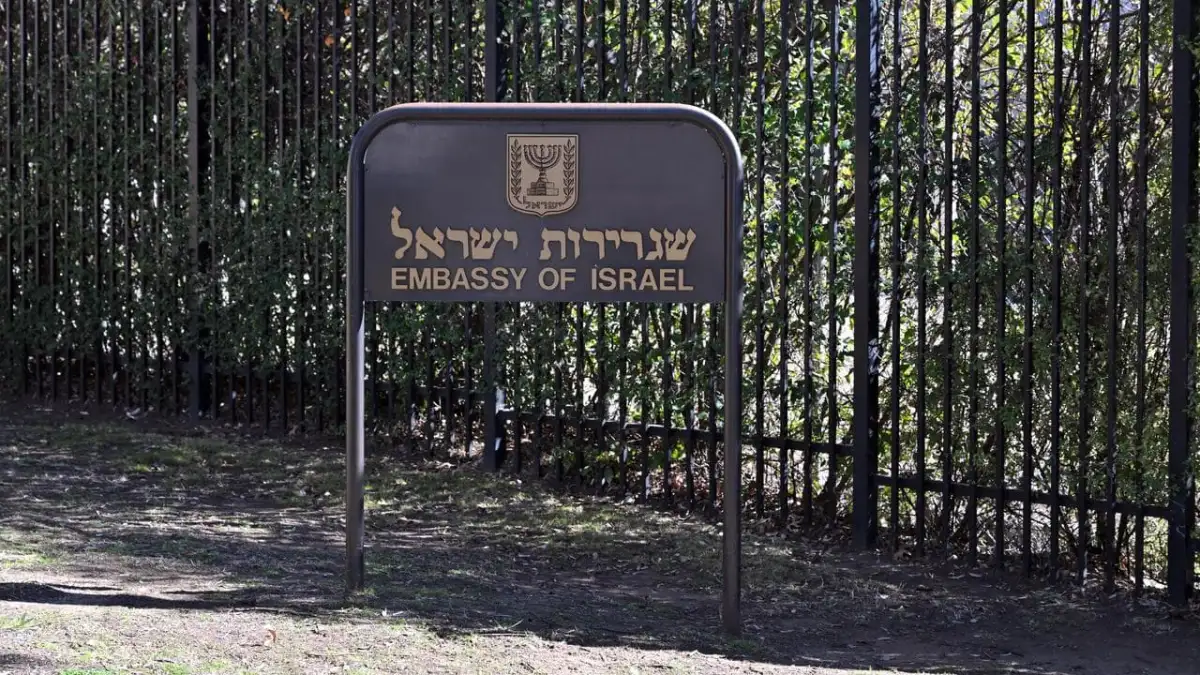
| 19 | Gold Coast | Pro-Hamas Videos (Eltatary) | Nov 2025 |
| 18 | Brisbane (The Gap) | Terrorism Offences | Sep 2025 |
THE RADICALIZATION NARRATIVE
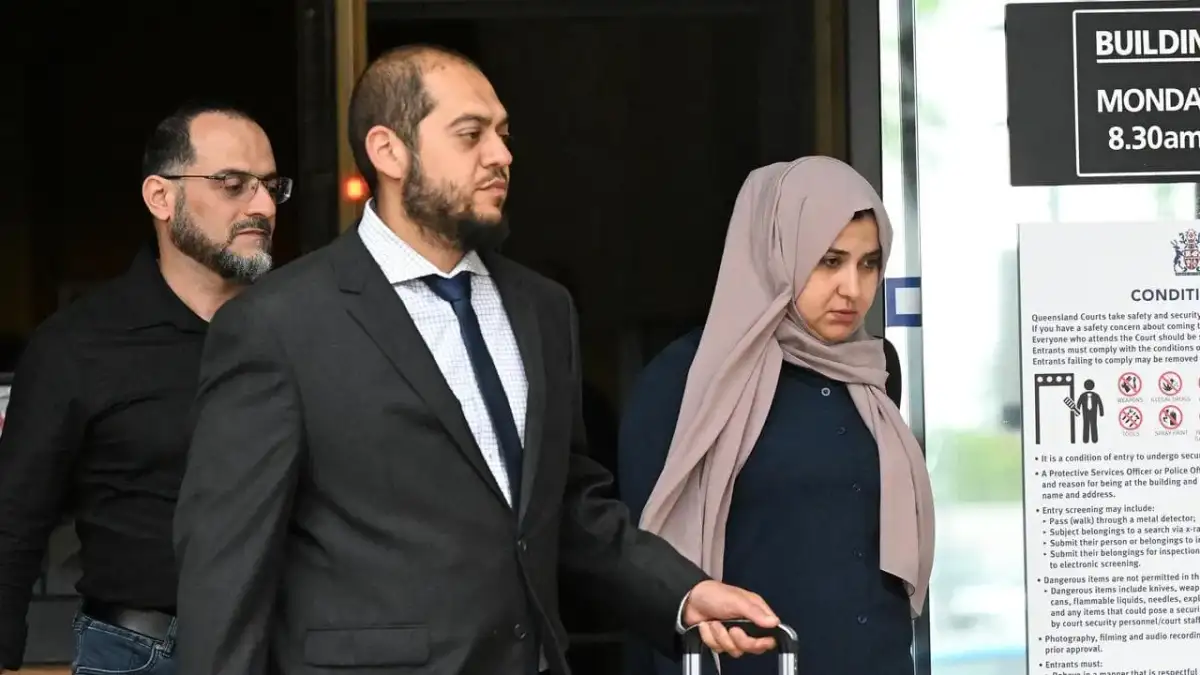
The institutional response treats the internet as a vector for infection. The AFP claims that extremist groups target the young because their minds are "susceptible," yet the definitions of what constitutes "extremist material" often shift with the political wind. In the case of Mohamed Ghassan Eltatary, a 19-year-old pilot, the state’s evidence involved videos viewed since age 12, showing a long-term surveillance arc that stretches back into childhood.
The 15-year-old's case is a knot of distinct deviances—physical violence against peers and the consumption of forbidden imagery.
Police use these arrests to urge the public to report "hate crimes," turning neighbors into extensions of the state’s sensory apparatus.
The recurring "terrorism task force" involvement in Queensland indicates a standardized protocol for handling digital clutter found in the homes of the young and the volatile.
The backdrop to these arrests is a landscape of increasing digital scrutiny where the line between a teenager’s morbid curiosity and a state-defined security threat is drawn by prosecutors. ' Southport ' remains a focal point for these interventions, reflecting a pattern of raids and device seizures that began escalating in late 2025.
Read More: Minister denies children sleep on office floors in Queensland 2026


/cloudfront-ap-southeast-2.images.arcpublishing.com/nzme/RVI7RFHOI34HTKKRUG3LS6DNVY.jpg)