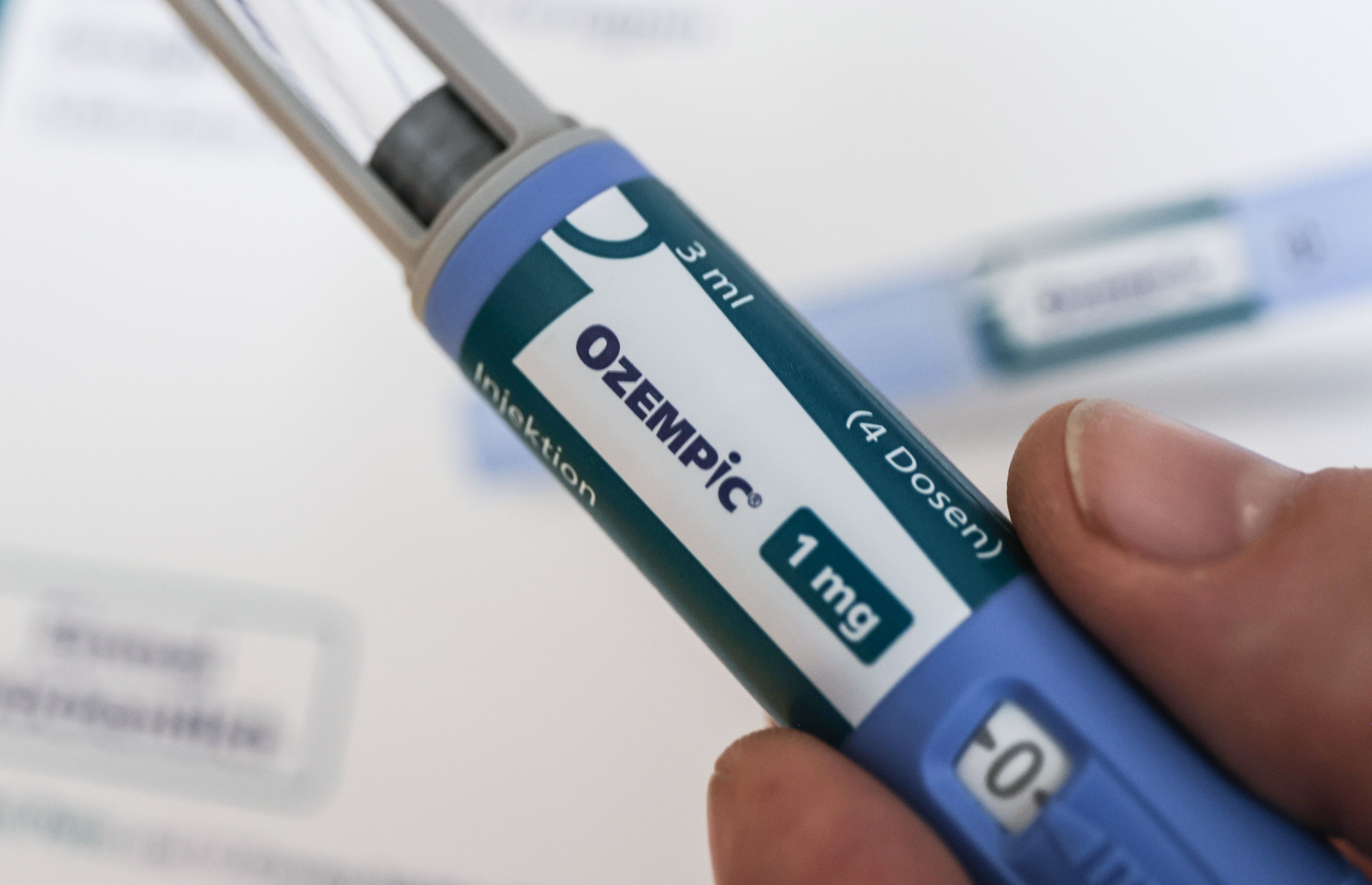
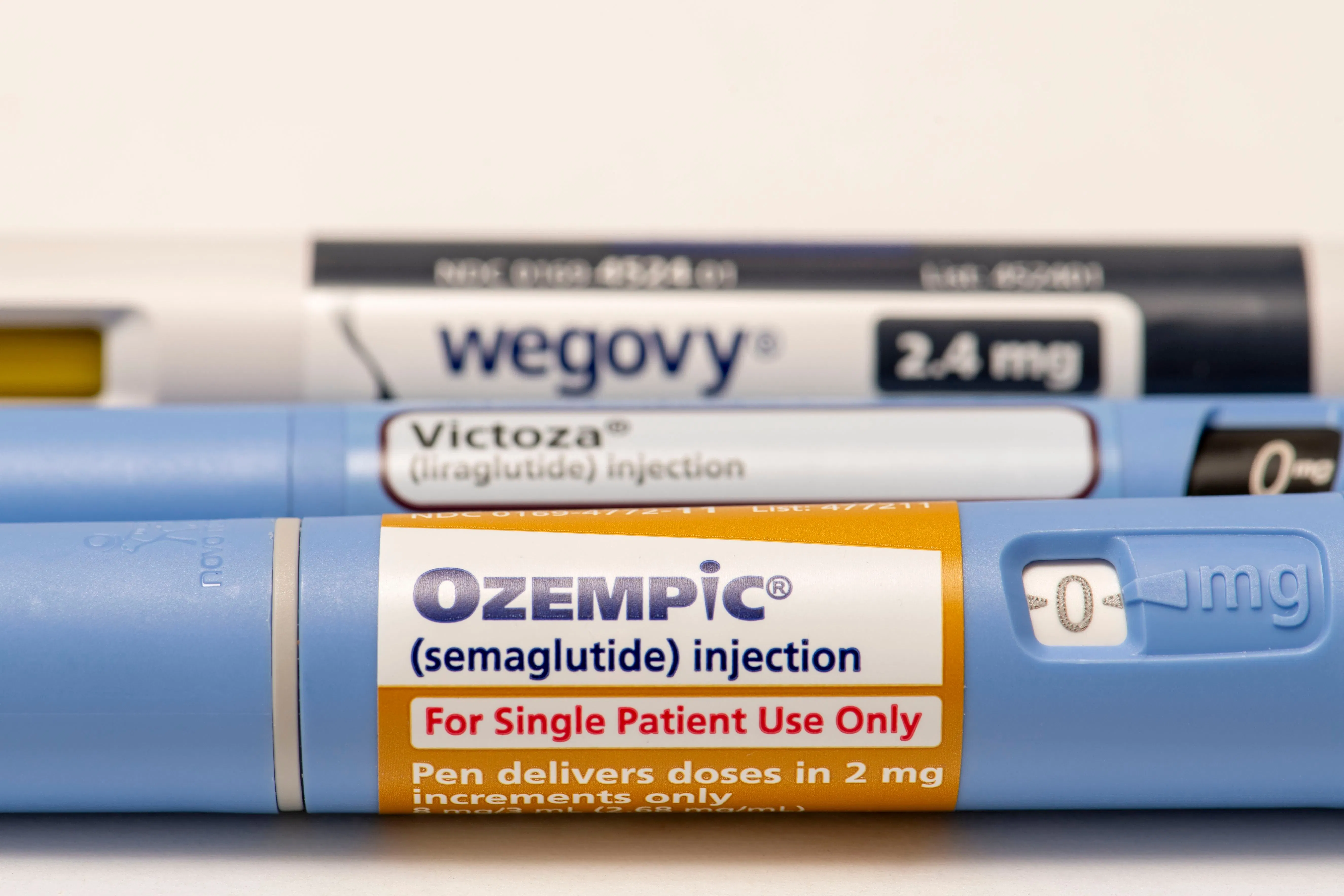
The widespread use of GLP-1 drugs, heralded for their weight loss and diabetes management capabilities, is increasingly linked to a spectrum of unsettling mental and emotional shifts. Users are reporting significant changes, from heightened anxiety and a feeling of emotional detachment to a generalized "flatness" that belies the expected elation of physical transformation. This emergent narrative suggests the conversation around these potent medications must broaden beyond their well-documented physical effects.
The focus on gastric side effects like nausea and appetite loss during prescription discussions has overshadowed reports of profound psychological disturbances. Individuals describe feeling like strangers in their own skin, experiencing "crippling anxiety" and a pervasive emotional numbness that contradicts the anticipated sense of freedom from weight-related stigma. This disconnect between perceived benefits and lived emotional experiences highlights a critical blind spot in how these drugs' full impact is understood and communicated.
Read More: India IVF Costs And Social Barriers Limit Access In April 2026
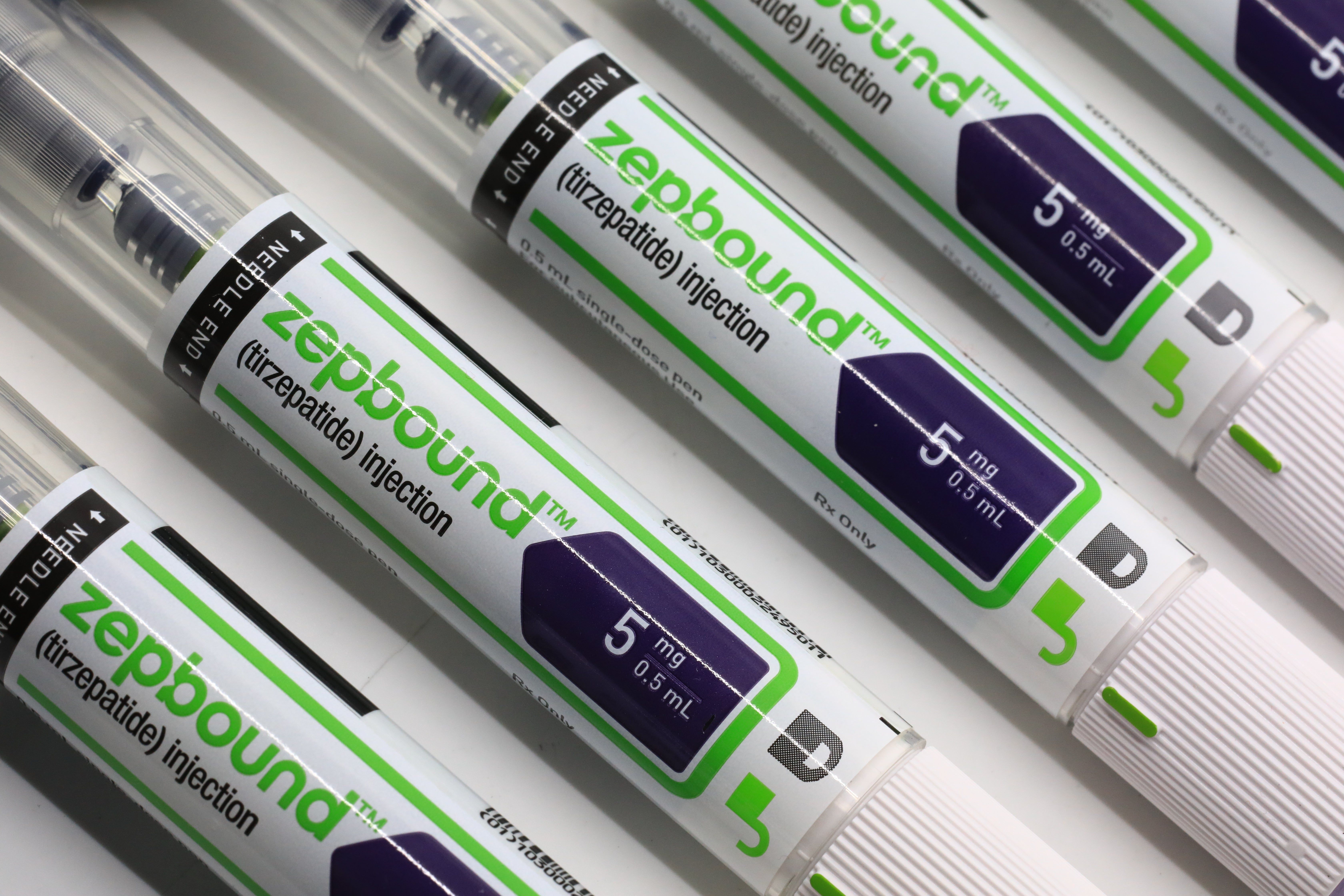
A Shift in the Psyche
Anecdotal accounts paint a vivid picture of the emotional toll. Some users, after shedding significant weight – upwards of 70 pounds for some – find themselves grappling with a lack of internal vibrancy. The expected joy is replaced by a "less connected, less lit up inside" sensation. This emotional flatness, often described as a "strange flatness," appears to be a common, yet under-discussed, outcome.
This phenomenon is prompting mental health professionals to pay closer attention. The struggle extends beyond personal feelings, as individuals find themselves navigating new societal stigmas. They face questions and judgments about the cost of their medication and their dietary choices, compounding the pressure associated with weight loss.
Rapid Weight Loss and the Anxiety Connection
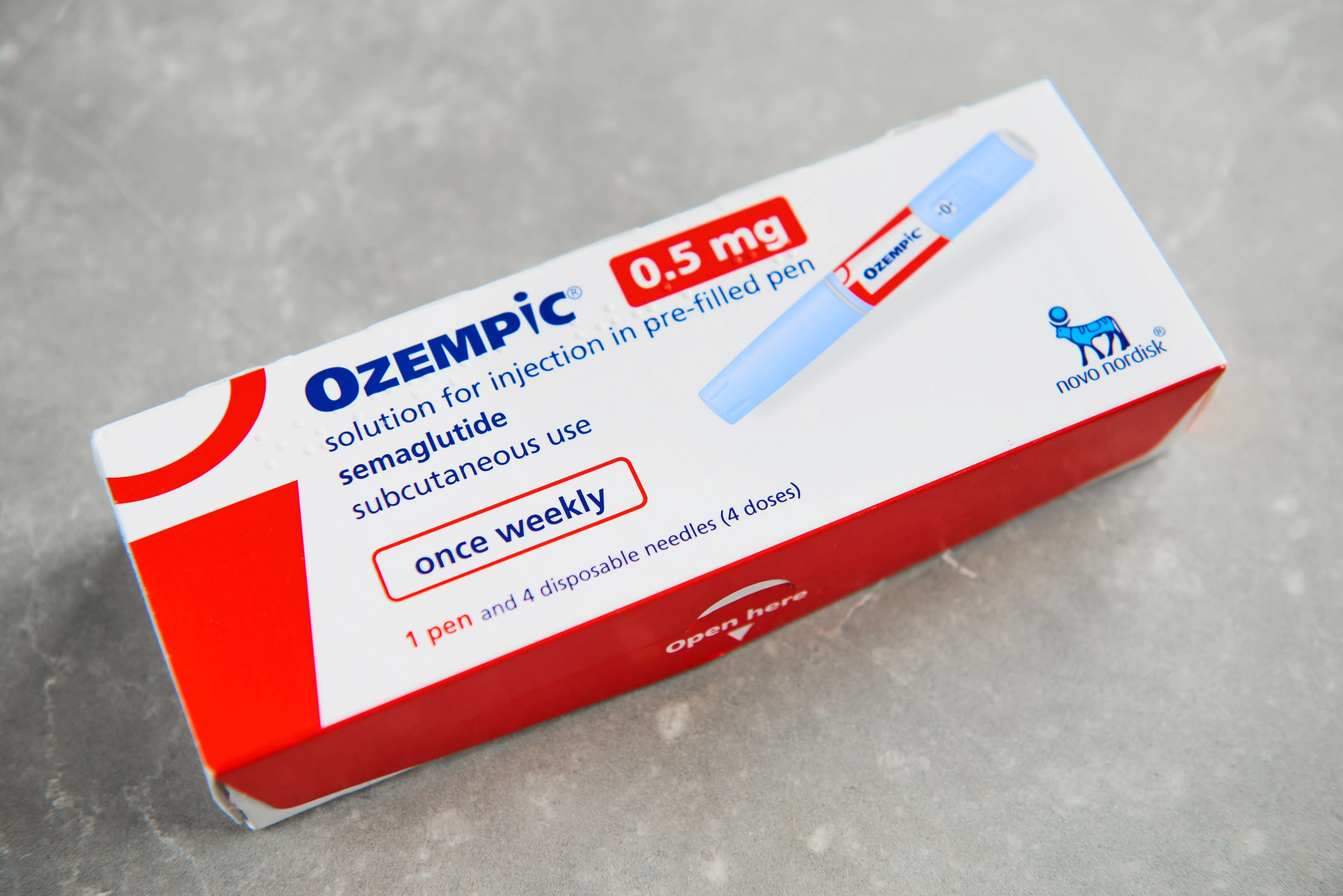
Experts point to rapid weight loss itself as a potential trigger for acute stress responses, which can, in turn, provoke or worsen anxiety and panic symptoms. This physiological response, coupled with the altered body chemistry from the GLP-1 drugs, creates a complex interplay that can profoundly affect mood.
Read More: Asia Pacific Leads Semi-Solid Drug Market with Topical Treatment Demand
The act of eating and drinking, central to managing nutrient intake, is directly impacted by GLP-1s due to appetite suppression. A lack of adequate nutrition stemming from reduced hunger can have adverse effects on overall health and well-being, potentially exacerbating mood disturbances.
Navigating the Uncharted Territory
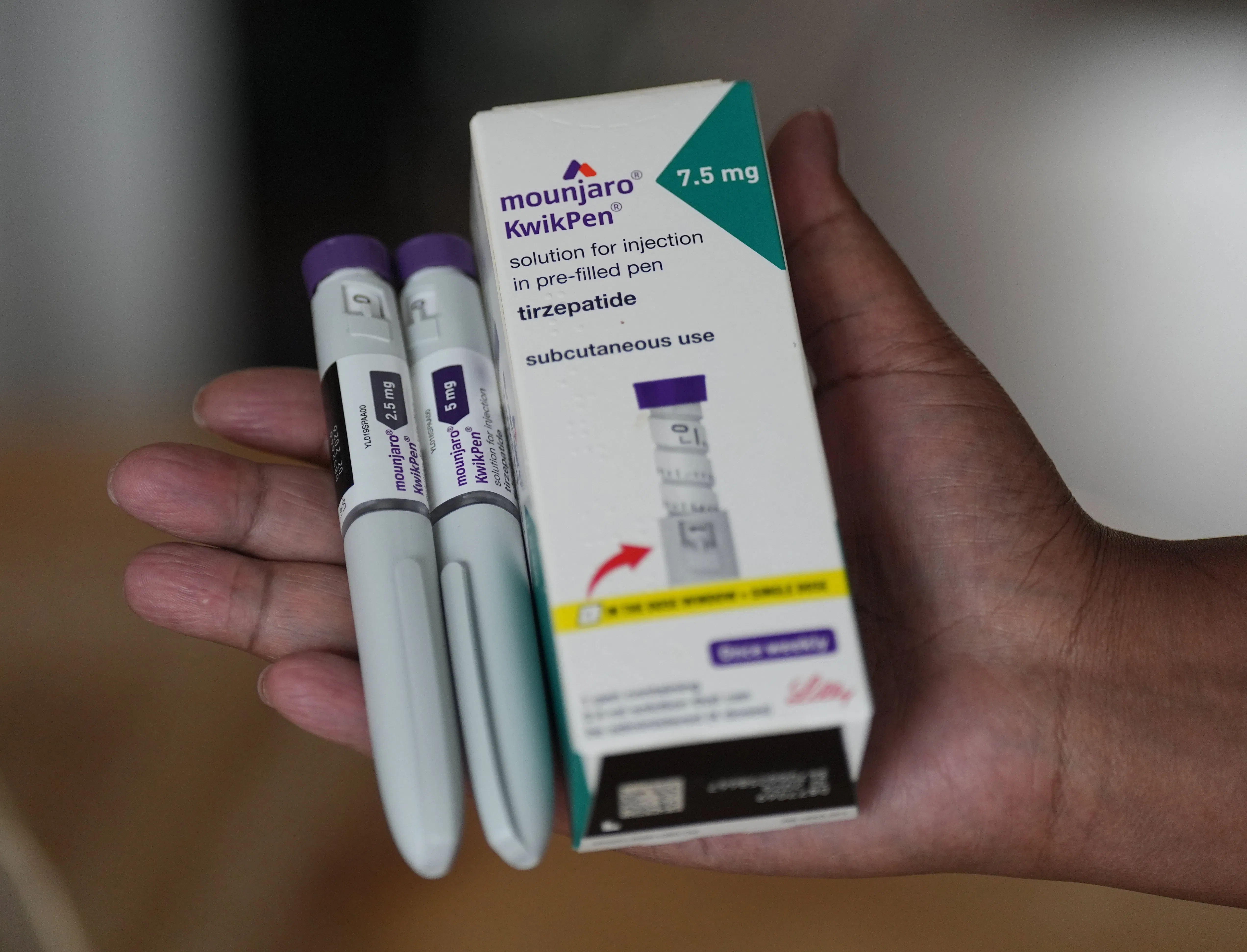
Medical guidance is beginning to address these emergent concerns. While some patients might experience an alleviation of anxiety or depression symptoms, others are reporting the opposite. Healthcare providers suggest that adjustments to medication dosage or type might be necessary to mitigate these emotional side effects.
Open communication with healthcare providers is paramount. Patients are encouraged to be forthright about their emotional state, especially if mood changes significantly impact their quality of life. Seeking professional support, such as counseling or therapy, is also recommended to develop coping strategies and manage anxiety effectively.
Read More: Georgia Toffolo's Lake Como Trip After Fertility Talks
Research Gaps and Evolving Understanding
The scientific understanding of GLP-1s' impact on mental health remains incomplete. Early clinical trials did not typically include mental health outcomes as primary endpoints, leading to significant research gaps. Future studies are deemed essential, particularly those that include individuals with pre-existing mental health conditions.
While some patients report mental health improvements, the diversity of individual responses complicates a universal assessment. The long-term psychological effects are still under investigation, with ongoing efforts to gather more comprehensive data on the full spectrum of these medications' impacts.
The research landscape is dynamic, with an evolving understanding of both common and rare side effects. Some reported effects might be attributed to the weight loss itself rather than the medication directly. Regulatory bodies are seeking further data from drug manufacturers concerning potential risks, including suicidal thoughts, as the implications of these widely prescribed drugs continue to unfold.
Read More: Yuhan Corp's New $140 Million Gilead Deal Boosts API Exports