

The intricate web of global supply chains, once a model of efficient, just-in-time delivery, is now grappling with unprecedented volatility. From raw material shortages to escalating shipping costs, the repercussions are rippling through industries worldwide, impacting businesses and consumers alike. The question that looms is not if these disruptions will continue, but how the international community will adapt to this new, unpredictable landscape.
A Shifting Landscape: Tracing the Origins of Strain
The current strain on supply chains is not a singular event but a culmination of compounding factors that began to surface and intensify over recent years.
The Pandemic's Initial Shock: The onset of the COVID-19 pandemic in early 2020 triggered widespread lockdowns, leading to the abrupt closure of factories and ports. This sudden halt in production created a domino effect, disrupting the steady flow of goods.
Demand Fluctuations: As economies reopened, consumer demand patterns shifted dramatically. A surge in online shopping and a pivot towards durable goods, driven by lifestyle changes, placed immense pressure on manufacturing and logistics networks already operating at reduced capacity.
Geopolitical Tensions and Conflicts: Emerging geopolitical flashpoints, including trade disputes and regional conflicts, have added layers of complexity. These events can directly impede transportation routes and influence the availability and pricing of critical commodities.
Labor Shortages: Across various sectors, including warehousing and transportation, labor shortages have become a persistent challenge. This scarcity of skilled workers further exacerbates bottlenecks in the movement of goods.
The Ripple Effect: Quantifying the Impact
The tangible consequences of these disruptions are observable across multiple economic indicators.
Read More: Schroders Family Stake Sale Rumors: Reports Differ
Increased Lead Times: Businesses are reporting significantly longer waiting periods for essential components and finished products. For example, the time it takes to receive a shipping container from Asia to Europe has more than doubled in some instances.
Price Volatility: The imbalance between supply and demand, coupled with rising transportation expenses, has led to significant price hikes for a broad range of goods, from electronics to everyday household items.
Inventory Management Challenges: Companies are struggling to maintain adequate stock levels. This has forced many to re-evaluate their "lean" inventory strategies and consider holding larger buffer stocks, a practice that carries its own set of costs.
Economic Slowdown Concerns: The persistent supply chain issues are contributing to broader concerns about economic growth. Reduced output and higher costs can dampen consumer spending and business investment.
Divergent Perspectives on Recovery and Resilience
Stakeholders are approaching the challenge of supply chain resilience with varying strategies and outlooks.
Short-Term Adaptations vs. Long-Term Restructuring
Focus on Agility: Some industry leaders advocate for increased agility and flexibility within existing systems. This includes diversifying suppliers, utilizing alternative shipping methods, and enhancing real-time visibility into the supply chain. The emphasis is on adapting to the current disruptions without undertaking fundamental structural changes.
Strategic Re-shoring and Near-shoring: Others argue for a more significant re-evaluation, suggesting a strategic shift towards re-shoring (bringing production back to home countries) or near-shoring (moving production to neighboring countries). The rationale is to reduce reliance on distant, complex, and potentially volatile supply lines, thereby enhancing national economic security and reducing transit times.
The Role of Technology and Innovation
Digital Transformation: A strong consensus exists regarding the pivotal role of technology. Investments in AI-powered forecasting, blockchain for enhanced transparency, and automated logistics are seen as crucial for building more robust and responsive supply chains. These tools aim to predict and mitigate disruptions proactively.
Sustainable Practices: Beyond efficiency, there's a growing imperative to integrate sustainability into supply chain design. This involves reducing carbon footprints in transportation and manufacturing, and sourcing materials from ethically responsible providers, which can also contribute to long-term resilience.
Expert Commentary: Insights from the Field
Dr. Anya Sharma, a Professor of International Economics at Global University, notes:
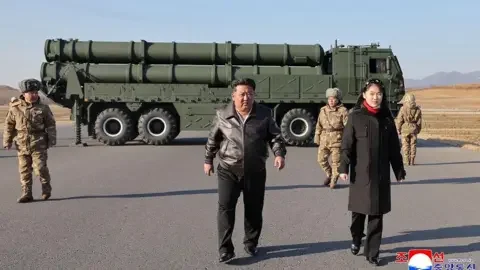
Read More: Kim Jong Un's Daughter May Be Next Leader of North Korea
"We are witnessing a fundamental recalibration of global supply networks. The previous era of hyper-optimized, geographically dispersed chains is being challenged by a need for greater regionalization and resilience. Companies that can foster adaptability and embrace technological solutions will be best positioned to navigate this evolving landscape."
Mr. Kenji Tanaka, CEO of Ocean Freight Solutions, commented during a recent industry forum:
"The logistical challenges are immense. Port congestion and container shortages are not simply temporary hiccups; they reflect deeper structural issues in capacity and labor. While we are deploying every available resource to alleviate immediate pressures, the long-term solution requires significant investment in infrastructure and workforce development."
Navigating the Path Forward: Implications and Next Steps
The evidence strongly suggests that the disruptions to global supply chains represent a significant and likely enduring shift. The multifaceted nature of the challenges—spanning economic, geopolitical, and operational dimensions—demands a strategic and coordinated response.
Read More: Rolls-Royce Plans Big Investment in India, More Jobs and Local Parts
Increased Inventory and Diversification: Businesses will likely continue to adapt by increasing inventory levels for critical components and diversifying their supplier base to mitigate risks associated with single-source dependencies.
Technological Investment: Further acceleration of technological adoption, particularly in areas like predictive analytics and automation, is anticipated as companies seek to enhance supply chain visibility and efficiency.
Policy and Geopolitical Considerations: Governments and international bodies will need to address the geopolitical factors impacting trade routes and commodity flows, potentially through new trade agreements or diplomatic efforts.
Consumer Impact: Consumers should anticipate continued price adjustments and potential fluctuations in product availability as businesses adjust to the new realities of global logistics.
The journey towards a more stable and resilient global supply chain ecosystem is ongoing, requiring continuous evaluation and adaptation from all participants.
Sources and Context
World Trade Organization (WTO) - Trade Statistics and Outlook: Provides comprehensive data on global trade flows, tariffs, and trade policies, essential for understanding the macroeconomic context of supply chain issues.
https://www.wto.org/english/rese/state/state.htm
International Monetary Fund (IMF) - World Economic Outlook: Offers analysis of global economic trends, including discussions on supply chain disruptions and their impact on inflation and growth.
United Nations Conference on Trade and Development (UNCTAD) - Review of Maritime Transport: This report details trends and challenges in international shipping and logistics, directly relevant to the physical movement of goods.
https://unctad.org/topic/transport-and-trade-logistics/review-of-maritime-transport
The Wall Street Journal - Business & Finance Coverage: Offers in-depth reporting and analysis of corporate responses to supply chain challenges, including interviews with industry leaders and case studies.
Bloomberg - Global Economic News: Provides real-time news and data on global markets, supply chain bottlenecks, and commodity prices.



:max_bytes(150000):strip_icc():focal(612x1166:614x1168)/Switzerland-accident-fire-020826-02-7cbc5d49ad0f413883178cfd825a77de.jpg)

