LONDON - The world faces an "economic catastrophe on a scale we have never seen before" if the current conflict persists, according to economist Ed Conway. The implications are dire, with potential for record-high oil prices and widespread economic disruption affecting everything from fertilizers to plastics.
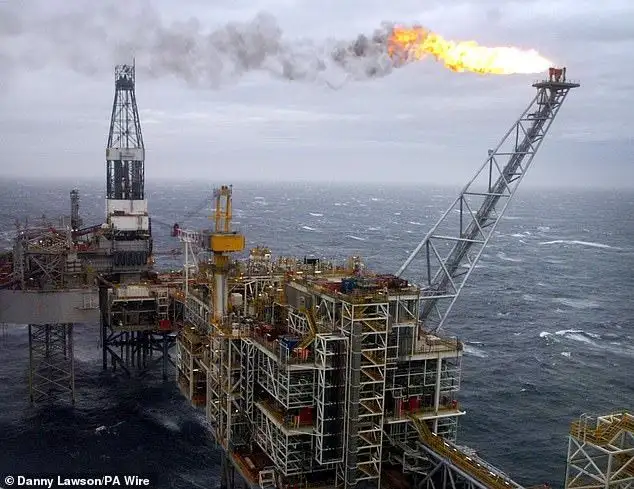
The primary concern stems from the concentration of vital energy resources in the Persian Gulf, specifically Saudi Arabia's role in global oil transport and the massive gas reserves and terminals in the region, such as Ras Laffan and the North Field. These energy supplies are fundamental to the daily functioning of the global economy, requiring approximately 100 million barrels of oil daily.

The conflict's reach extends beyond direct energy costs. It impacts the production of essential goods derived from natural gas and oil. Fertilizers, crucial for global food production, and plastics, ubiquitous in modern life, are directly tied to the availability and price of these energy commodities.
Read More: Goldman Sachs predicts 15 million US jobs lost to AI by 2036
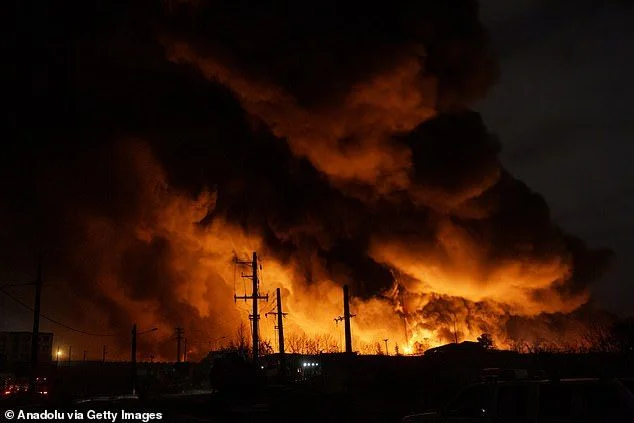
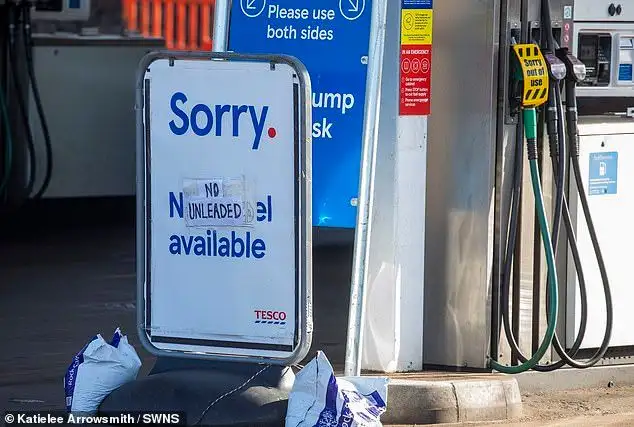
The ripple effects are already being felt, with warnings of rising inflation and supply chain vulnerabilities. Businesses are beginning to implement surcharges on deliveries due to increased oil prices, a direct consequence of the war. This situation puts considerable pressure on households, with expectations of soaring utility bills.

Economic Vulnerabilities Exposed
Conway's assessment paints a stark picture of global economic fragility. The reliance on concentrated energy supplies in regions prone to instability highlights a critical vulnerability. The current war is described as holding "a knife against the very throat of the economy."
Disruptions in these key energy hubs could lead to what Conway terms "economic starvation," a severe and unprecedented condition for the global financial system. The interconnectedness of modern economies means that such a shock would reverberate through multiple sectors and impact nations worldwide.
Read More: Iran Warns Gulf States After U.S. Naval Clash
Background and Context
Reports surrounding the conflict indicate a complex geopolitical situation. Discussions around potential withdrawals and diplomatic resolutions have surfaced, with figures like Donald Trump reportedly suggesting pathways for the war's conclusion. However, tensions remain high, and the economic fallout appears to be a persistent threat regardless of the immediate political maneuvering. The warnings come at a time when governments are assessing their economic resilience and considering strategies to shield their populations from potential downturns.