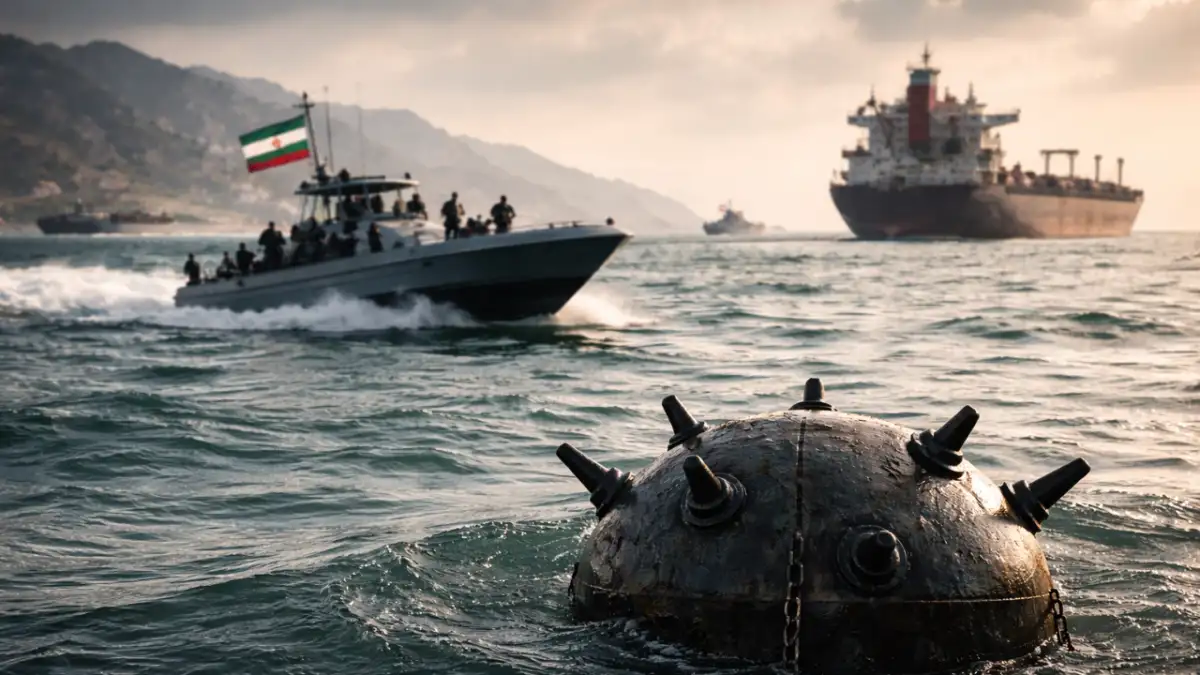
Reports are surfacing, based on intelligence assessments from US officials, suggesting Iran has begun deploying naval mines within the Strait of Hormuz. This action, if confirmed, represents a significant escalation, directly threatening a critical global energy chokepoint that handles approximately one-fifth of the world's crude oil. The United States Central Command has stated it destroyed multiple Iranian naval vessels, identified as minelayers, near the Strait, with initial accounts suggesting the mining operations are limited to "a few dozen" mines placed in recent days.
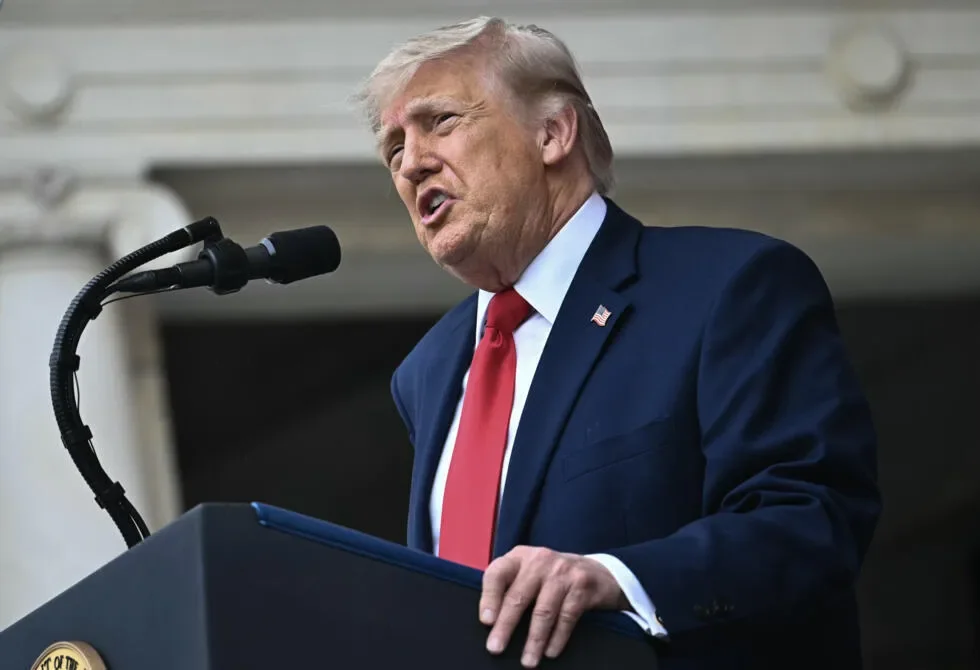
President Donald Trump issued a stern warning, demanding the immediate removal of any mines allegedly laid, and threatening "consequences at a level never before seen" should Iran fail to comply. Conversely, he indicated that compliance would be viewed as a "giant step in the right direction." In a subsequent update, US Central Command confirmed the elimination of "inactive mine-laying vessels," with some reports indicating up to 28 such vessels were targeted and destroyed.
Read More: Iran Warns Gulf States After U.S. Naval Clash

Disruption Fears Stoke Oil Market Volatility
The prospect of mines in the Strait of Hormuz has immediate implications for global energy markets. Even minor disruptions in this narrow waterway can trigger ripple effects on oil prices and the broader international economy. Maritime insurers have already begun withdrawing coverage for vessels operating in the Persian Gulf, reflecting heightened risk. Reports suggest the mining operation, if it is indeed ongoing, is linked to the broader 'US‑Israel‑Iran conflict' that erupted in late February.

The Strait of Hormuz has effectively been considered closed since the conflict began, with warnings previously issued by the Islamic Revolutionary Guard Corps (IRGC) regarding potential attacks on passing ships. Intelligence assessments over the years have indicated Iran possesses a substantial stock of naval mines, estimated between 2,000 to 6,000, and has historically considered a strategy of using a limited number of mines, or the threat of mining, to deter shipping. This approach, it was assessed, could be as effective as a blockade in raising insurance rates and discouraging traffic to Gulf ports.
Read More: Gulf Oil Exports Rise in June but Still Below Pre-War Levels

Escalation and Counter-Measures
The situation marks a dangerous escalation, with the United States responding by targeting Iranian naval assets specifically involved in minelaying. The use of sea mines, a tactic that can be employed not only from surface vessels but also potentially through other means, introduces a new layer of complexity to maritime warfare.
Background: The Strait of Hormuz, a narrow waterway connecting the Persian Gulf to the open ocean, is of immense strategic importance for global energy transit. Iran, controlling the northern coast, has historically leveraged its position to exert influence. The recent conflict outbreak has heightened tensions in the region, creating an environment where such aggressive tactics are being considered or implemented.
Read More: Russia Boosts Air Defense Against Ukraine Drone Attacks