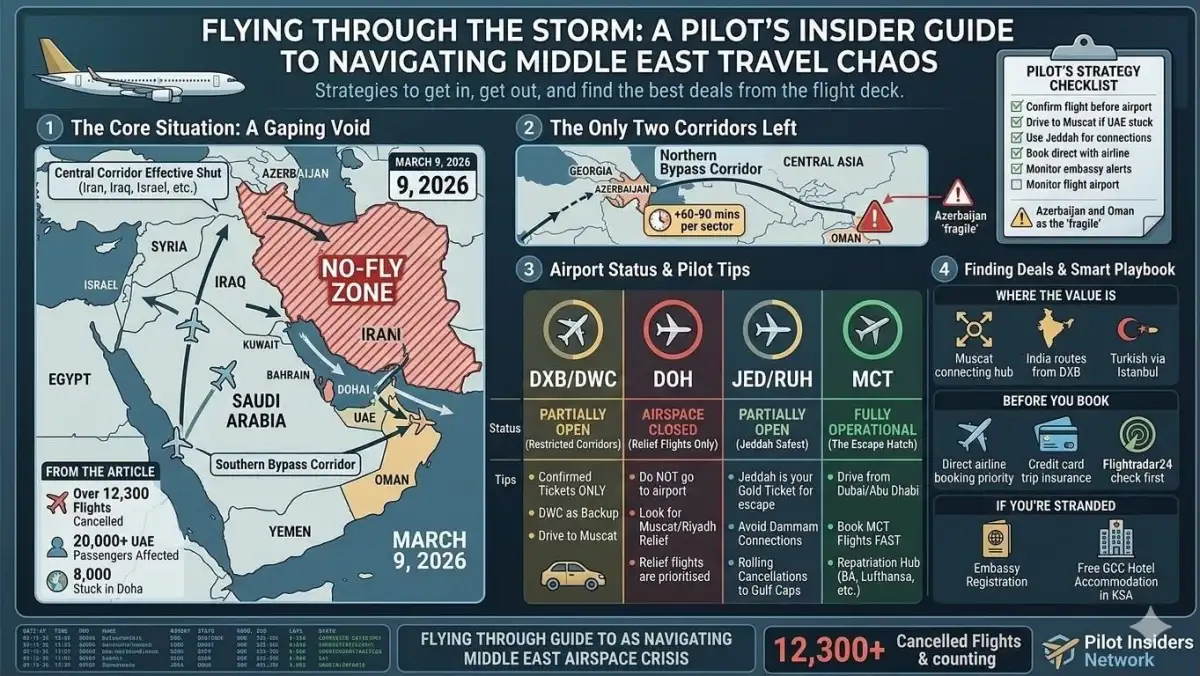
The skies are becoming a complex tapestry of rerouted flights and closed airspace, a direct consequence of escalating global conflicts. Airlines are forced to take longer, more circuitous paths to avoid active war zones, a move that translates directly into increased fuel consumption, extended travel times, and a significant rise in operational expenses. This reshaping of global aviation routes, driven by geopolitical instability, means passengers face higher ticket prices and greater uncertainty, even if their destination lies far from any conflict.
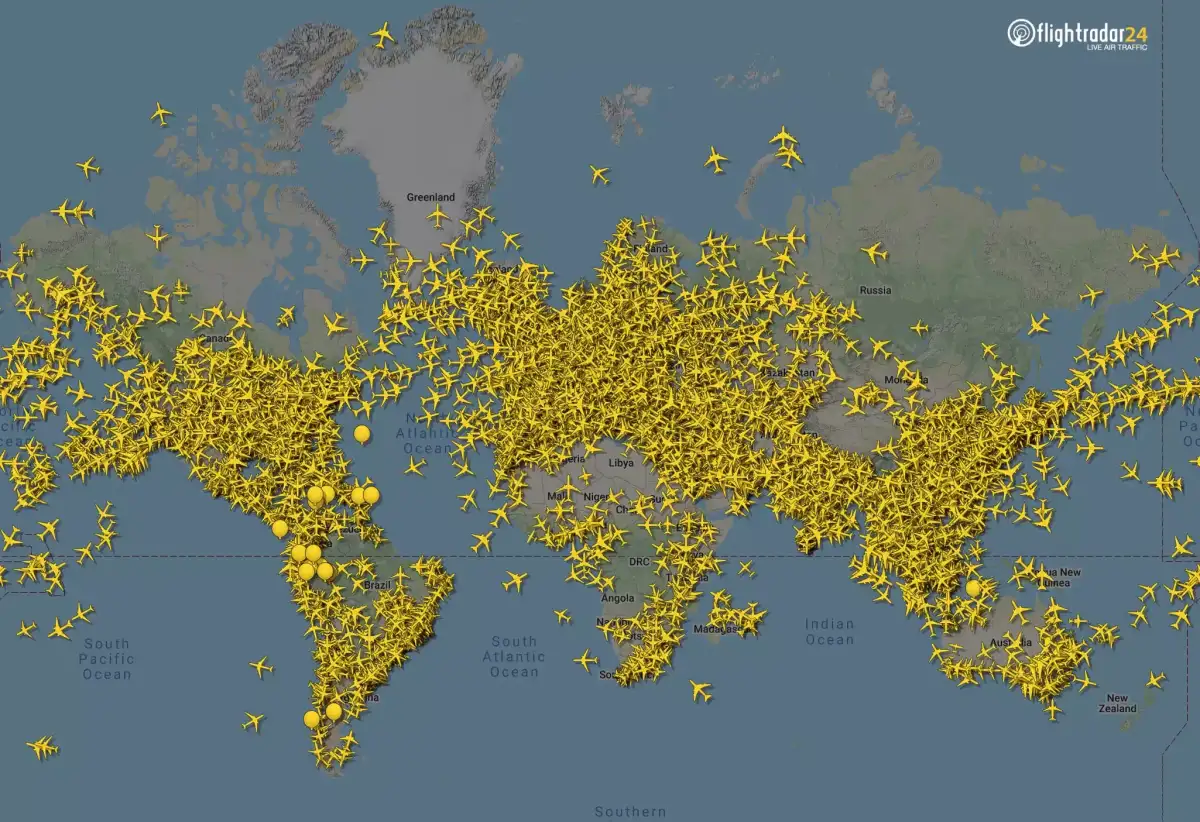
The closure of air corridors, as witnessed after airstrikes in the Middle East, prompts swift cancellations and diversions. This creates visible 'voids' on flight tracking platforms like Flightradar24, starkly illustrating the areas rendered off-limits by military activity. The unpredictable nature of these conflicts leaves carriers with scant certainty regarding when these routes might reopen, adding a layer of chronic instability to the industry.
Read More: Margaret River Named World's Best Wine Place

Airlines are now navigating a landscape where civilian air traffic routinely intersects with military operations. This precarious overlap necessitates constant reassessment of risks, with carriers increasingly relying on real-time military intelligence to chart their course. This dependency raises questions about the sharing of such information and the coordination between military and civilian aviation.

The economic impact of these disruptions is substantial. Longer flight paths equate to increased fuel expenditure. Furthermore, the added complexity of rerouting, potential delays, and canceled flights contribute to a palpable rise in operational costs for airlines. This financial strain is inevitably passed on to consumers in the form of higher fares. Insurance premiums for flights operating in or near volatile regions are also seeing an upward trend.

Broader Ramifications
Beyond direct rerouting, conflicts can lead to cascading effects. For instance, disruptions in one region can strain capacity at alternative airports, potentially overwhelming infrastructure and leading to further delays. The reliance on a smaller number of open corridors also means increased air traffic congestion in those available zones, creating a domino effect of extended travel times.
Read More: House Votes to Limit President's War Power on Iran
While airlines are developing strategies to adapt, including investing in more robust navigation systems and enhanced pilot training, the fundamental challenge remains. The ongoing geopolitical tensions are not a fleeting issue but a persistent factor reshaping the very fabric of global air travel.
The Changing Face of Flight Tracking
The very act of tracking flights has become a window into global conflict. Platforms like Flightradar24 are now used not just for leisure, but to follow the impact of wars in real-time, showcasing the visible "holes" in the sky where flights used to be. These absences highlight the tangible impact of geopolitical events on a sector that often appears removed from direct conflict.
A Look Back
Historically, aviation has faced disruptions from natural events like volcanic ash clouds, which also necessitate significant rerouting and cancellations. However, the current wave of geopolitical conflicts presents a more sustained and complex challenge, as airspace closures are deliberate acts tied to ongoing military and political standoffs, rather than temporary natural phenomena. The increasing overlap of military and civilian airspace also introduces a heightened level of inherent danger, forcing a recalibration of safety protocols and risk assessments across the industry.
Read More: Belagavi and Goa Forests Closed Until Monsoon Ends