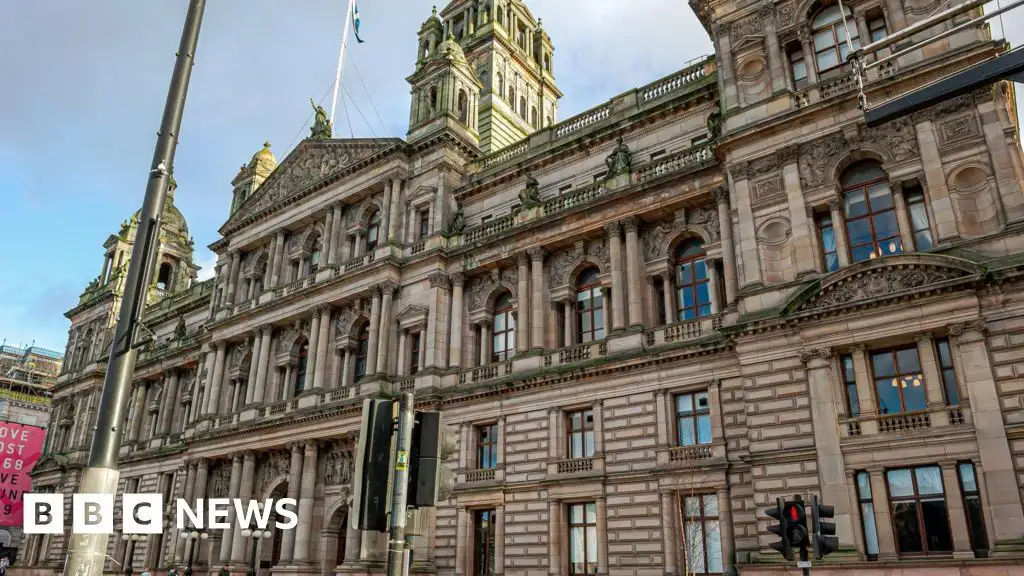
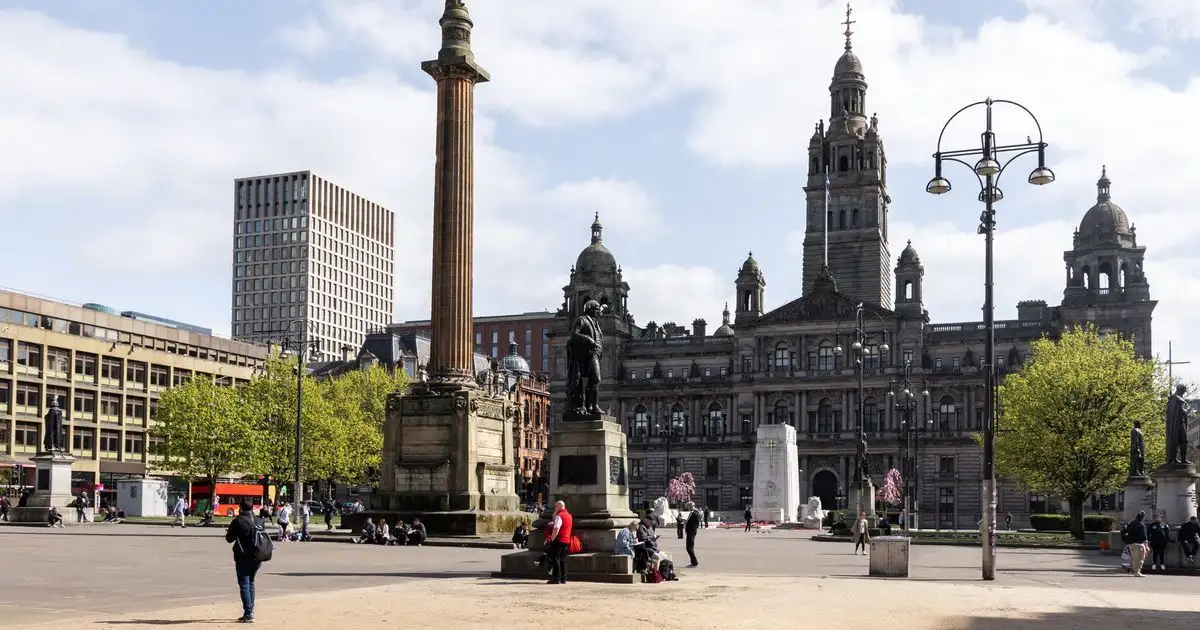
Glasgow City Council has agreed to raise council tax by 5% to 7.5%. This decision comes as the council grapples with significant financial pressures, particularly related to homelessness services. The budget, agreed upon by the SNP and Green parties, aims to maintain essential services and invest in areas like cleansing and education.
Financial Strain and Budget Agreement
Glasgow City Council faces a notable funding shortfall, contributing to the decision to increase council tax. City Treasurer Ricky Bell confirmed an agreement with the Green group to set the budget for 2026/27. This deal was struck ahead of a formal meeting to approve the budget.

The council has actively sought financial support, engaging in discussions with both the UK and Scottish governments.
Councillor Bell stated that the council has received "very little response" from the UK Government despite lobbying efforts.
Funding for the council's holiday food program has been preserved.
Free school meals are planned for expansion to all primary seven pupils.
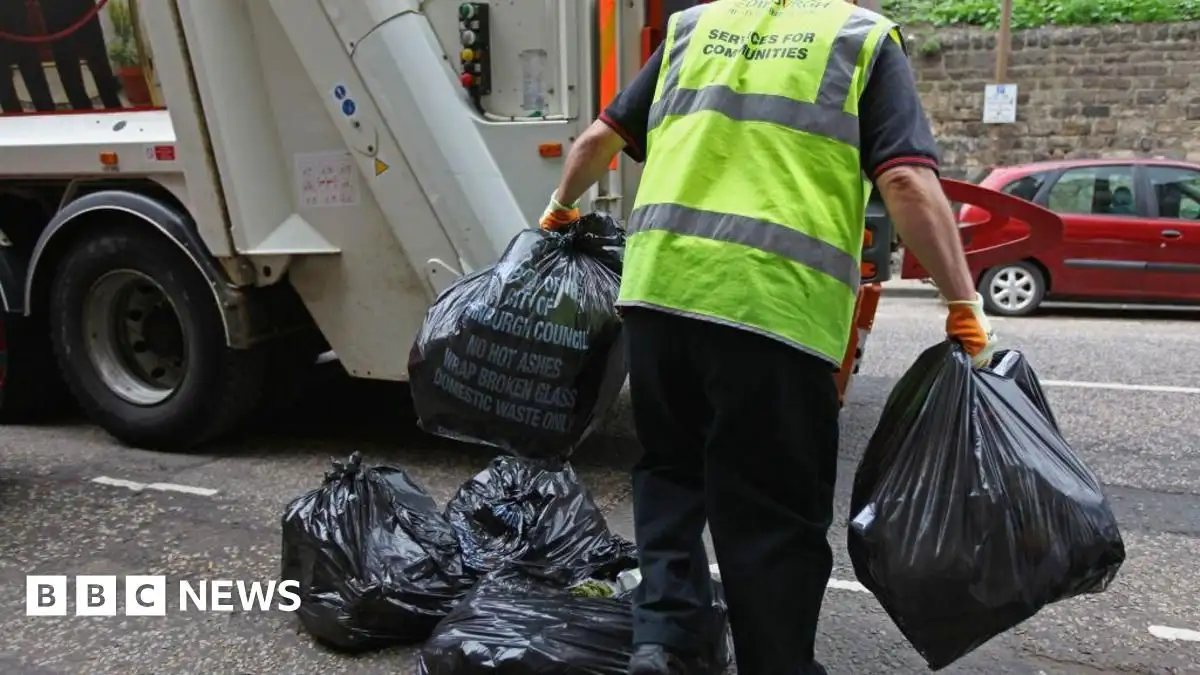
Investment is earmarked for cleansing services, including enhanced gully cleaning to mitigate flooding risks.
The budget aims to avoid significant cuts, unlike in previous years.
Addressing Homelessness and Refugee Pressures
A substantial portion of the council's financial strain is attributed to an overspend on homelessness services. The council has pointed to UK Government policy as a contributing factor to increased demand.
Around half of the demand for homelessness assistance reportedly comes from refugees.
The council blames the Home Office for refugee pressures on the homeless system.
Critics, however, suggest that liberal housing laws may be attracting individuals whose asylum claims have been approved to Glasgow.
A pre-devolution law permits refugees granted leave to remain elsewhere in the UK to declare themselves homeless in Glasgow.
In January, a record 9,215 people were in temporary accommodation in Glasgow, including 3,357 children.
To manage homelessness costs this year, the agreement with the Scottish Government includes a provision for borrowing. This borrowing deal has been described as a "sticking plaster" by some.
Councillor Bell noted that the homelessness budget solution is only sustainable for one year, emphasizing the need for assistance from the Holyrood and Westminster governments.
Glasgow Council plans to borrow £30 million to help tackle the homelessness crisis, specifically noting a £50 million refugee bill.
Council Tax Increases and Investment Priorities
The approved council tax rise is part of a broader strategy to fund public services and implement new initiatives.
The council tax increase is set to be between 5% and 6%, with other reports indicating a 7.5% hike.
The 7.5% rise is described as the biggest in years and is higher than last year's increase.
A portion of this increase, 2.5%, is ring-fenced for specific investments.
This ring-fenced amount is intended to fund 200 additional cleansing staff and provide capital for repairs to roads, pavements, and parks.
Planned cuts to teaching jobs have been reversed as part of the budget deal.
The council is pledging £3 million to fund universal free school meals for Primary 6, with an additional £3 million budgeted for extension to Primary 7.
| Council Tax Band | New Annual Charge (approx.) |
|---|---|
| Band A | £1,474.26 |
| Band B | £1,719.97 |
| Band C | £1,965.68 |
| Band D | £2,211.39 |
| Band E | £2,850.49 |
| Band F | £3,485.11 |
| Band G | £4,155.53 |
| Band H | £5,147.73 |
Note: The table above reflects approximate charges for the combined council tax and water charges from April, as detailed in Article 11.
Broader Context: Council Tax Trends in Scotland
Glasgow's decision to increase council tax aligns with wider trends across Scotland.
Last year saw the largest council tax increases in 20 years across Scotland.
Many households pay water charges through their council tax bills.
Prior to recent years, council tax rates had been frozen or capped for a considerable period.
Council tax constitutes a relatively small part of a council's overall budget, but it is the area where councils have the most financial control.
Funding from the Scottish Government forms the majority of council finances.
Other Scottish councils are also considering or implementing significant tax hikes. For example, North Lanarkshire is mooting a 10% increase, and Edinburgh expects an 8% rise.
The Accounts Commission, a public spending watchdog, has warned of "severe financial pressures" on Scottish local authorities due to government funding shortfalls.
While the Scottish government offered an additional £1 billion to councils this year, local authorities argue this is insufficient.
First Minister John Swinney has stated there is "no justification" for council tax rises exceeding 8%, asserting the government has provided a fair settlement.
Expert and Official Perspectives
Council leaders have voiced concerns about the financial sustainability of local government.
Ricky Bell, city treasurer, stated that the budget aims to "fund the priorities of our constituents" and requires "Glaswegians to contribute a bit more."
Bell also commented on the agreement with the Scottish Government, noting it includes borrowing to deal with homelessness costs.
Councillor Laura Murtagh, who pushed through Falkirk's tax increase to bridge a £33 million budget gap, described the decisions as "impossible."
John Baird, head of debt services at Advice Direct Scotland, warned that "looming council tax increases will heap even more pressure on individuals and families already struggling."
Council leaders have criticized the SNP Government for not adequately supporting local authorities, highlighting a "growing gap between costs to deliver services and funding available."
Conclusion and Next Steps
Glasgow City Council's decision to raise council tax reflects ongoing financial challenges, particularly concerning homelessness. The agreement between the SNP and Green parties aims to balance fiscal realities with investment in public services.
The council tax increase of 5% to 7.5% will take effect from April.
A significant portion of the increase is earmarked for cleansing services and infrastructure repairs.
The expansion of free school meals and the reversal of planned education cuts are key outcomes of the budget deal.
The council continues to seek greater financial support from national governments to address long-term funding needs, especially regarding homelessness services.
The sustainability of the borrowing agreement for homelessness costs remains a concern, with a one-year outlook.
Sources:
heraldscotland.com: https://www.heraldscotland.com/news/25878514.council-tax-glasgow-set-rise-five-six-per-cent/
glasgowtimes.co.uk: https://www.glasgowtimes.co.uk/news/25877979.budget-deal-council-tax-rise-agreed-glasgow/
glasgowlive.co.uk: https://www.glasgowlive.co.uk/news/glasgow-news/glasgow-council-borrow-30m-hike-33445395
glasgowlive.co.uk: https://www.glasgowlive.co.uk/news/glasgow-news/glasgow-city-council-tax-rise-26261898
heraldscotland.com: https://www.heraldscotland.com/politics/westminster/25864978.glasgow-council-tax-raised-5-50m-refugee-bill/
theguardian.com: https://www.theguardian.com/uk-news/2025/mar/06/council-tax-in-scotland-to-reach-record-high-with-15-rise-in-some-areas
glasgowlive.co.uk: https://www.glasgowlive.co.uk/news/glasgow-news/glasgow-council-tax-set-rise-7-31029566
glasgowlive.co.uk: https://www.glasgowlive.co.uk/news/glasgow-news/how-much-council-tax-glasgow-31053648
glasgowlive.co.uk: https://www.glasgowlive.co.uk/news/glasgow-news/glasgow-braced-council-tax-rises-33322814
thenational.scot: https://www.thenational.scot/news/24952198.see-new-glasgow-council-tax-per-property-band/
stv.tv: https://news.stv.tv/west-central/glasgow-agrees-7-5-council-tax-hike