As of 21/05/2026, there is no confirmed, platform-wide breach of GitHub’s infrastructure. However, the reliance on this centralized repository for software versioning and collaborative code management remains a persistent point of failure for individual developers and organizations alike. Users currently operating within the environment face ongoing risks regarding Credential Exposure and API Management.
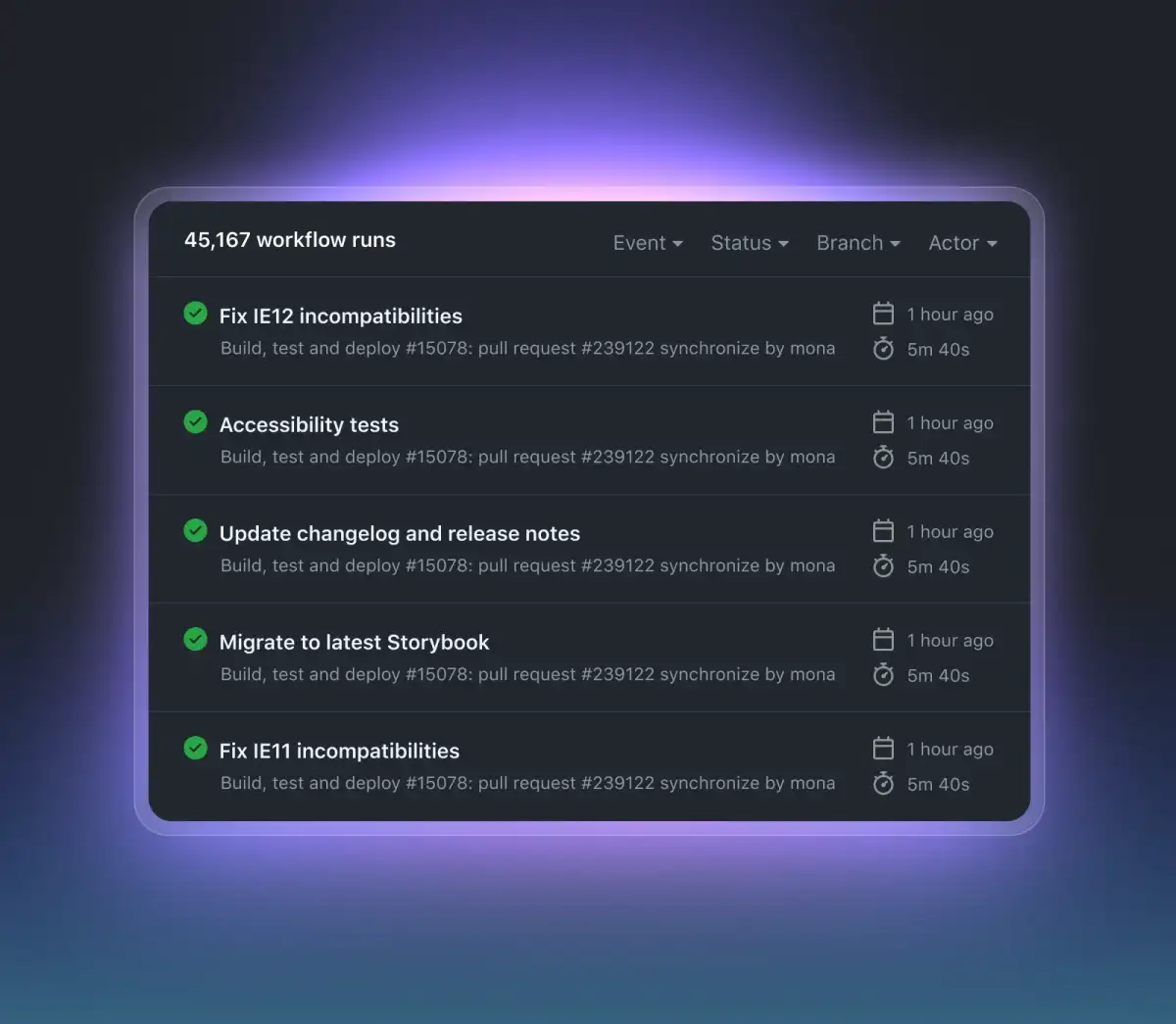
The fundamental security flaw in development workflows often lies in the accidental inclusion of secrets within public or private repositories.

Exposure of private keys, authentication tokens, and API credentials often leads to automated exfiltration by hostile scripts scraping the platform.
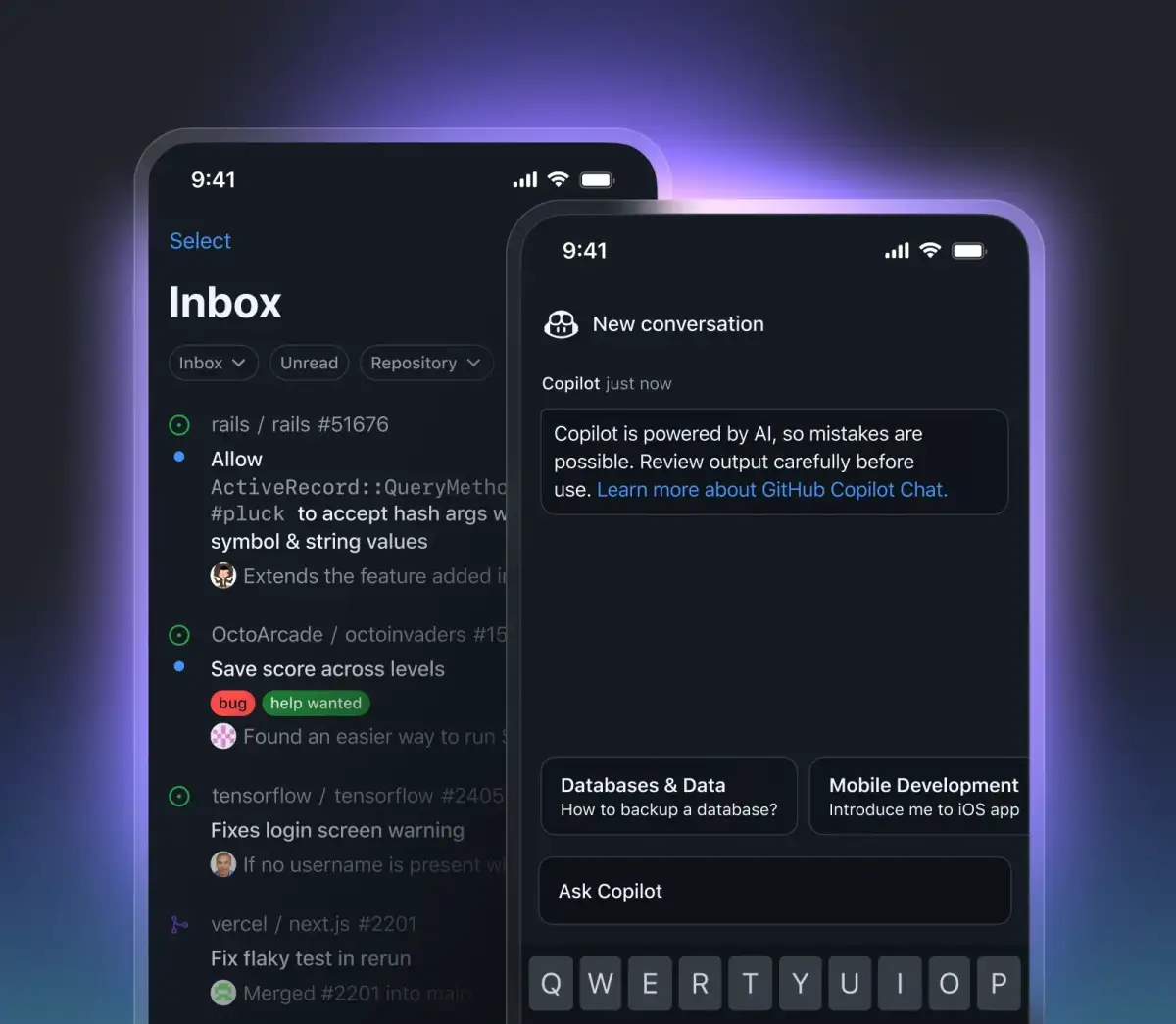
The shift toward AI-integrated workflows, specifically the adoption of GitHub Copilot, introduces new vectors for data leakage as AI Credits and session-based access controls become central to the platform’s utility.
Administrative alerts regarding multi-session management—where users are signed out or blocked from actions—frequently stem from browser-based session conflicts, yet these patterns mask deeper, irregular unauthorized access attempts.
Infrastructure Integrity and Developer Exposure
The following table categorizes the primary security vectors for active GitHub users:
| Threat Vector | Risk Level | Mitigation Strategy |
|---|---|---|
| Hardcoded Credentials | Critical | Utilize environment variables; implement pre-commit hooks. |
| Session Hijacking | Moderate | Monitor login activity logs; revoke active sessions. |
| Copilot Token Leaks | Moderate | Restrict remote access permissions in session settings. |
| Dependency Injection | High | Audit open-source contributions for malicious commits. |
Technical Context
GitHub functions as an abstraction layer over the Git version control system. While it provides tools for project management, code review, and CI/CD automation, the security of the hosted code is ultimately contingent upon the user’s Version Control hygiene.

"Change is constant. GitHub keeps you ahead." — GitHub Institutional Messaging
This statement from the service provider obscures the responsibility of the individual actor. While the platform offers mechanisms for building software, the reliance on Open Source contributions (totaling over 218 million in the recent cycle) creates a sprawling, fragmented surface area where vulnerability detection is lagging behind automated exploitation. Users are cautioned to treat every credential integrated with the platform as potentially compromised if the repository's access controls or the developer's local environment are not strictly audited.
Read More: Chrome mimeHandler API lets extensions handle file types