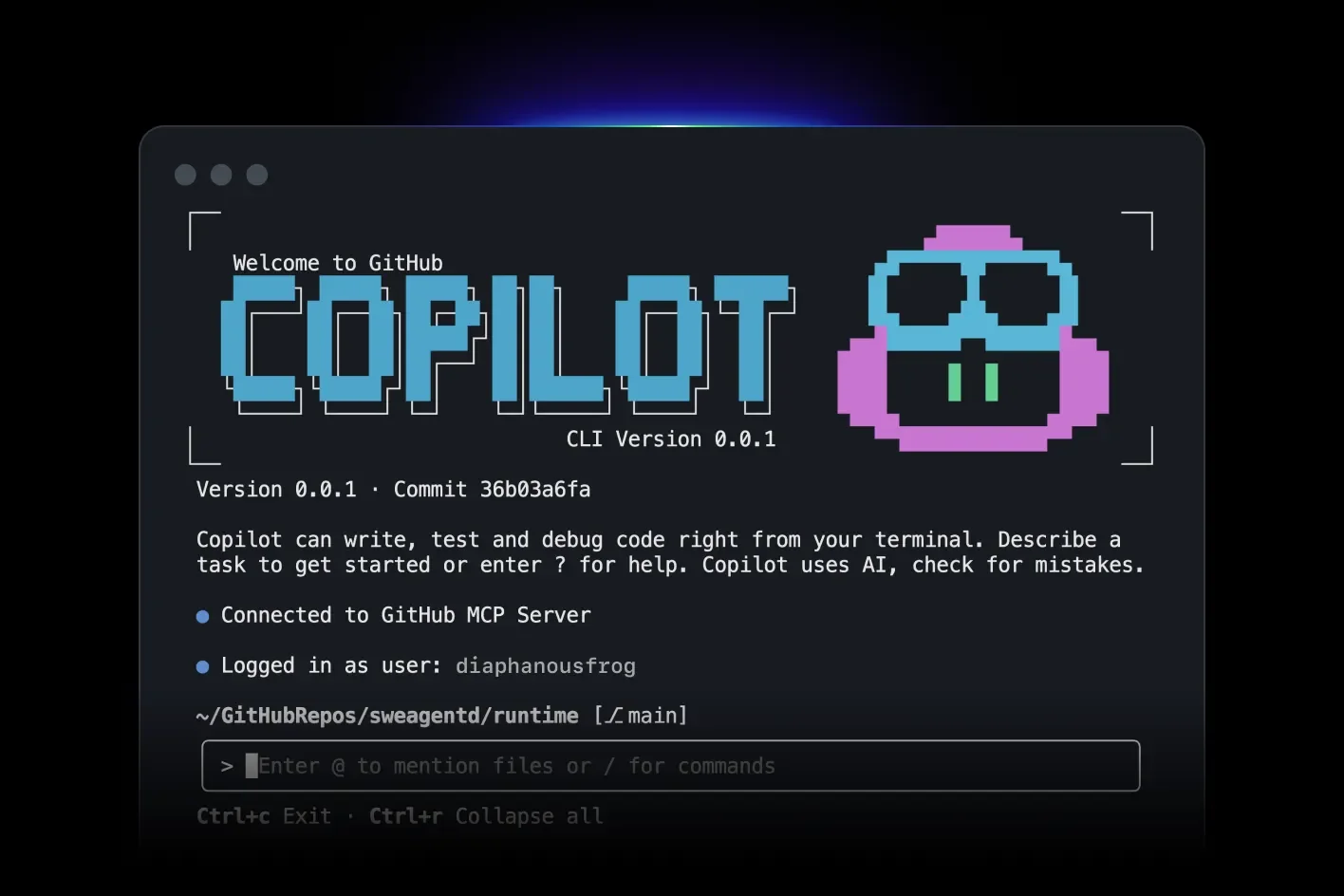
GitHub's coding assistant, Copilot, is reconfiguring its underlying artificial intelligence models. This shift affects what users can access, particularly for those on specific plans, and introduces changes to its available capabilities. The company is phasing out certain models while integrating newer, potentially more advanced ones.
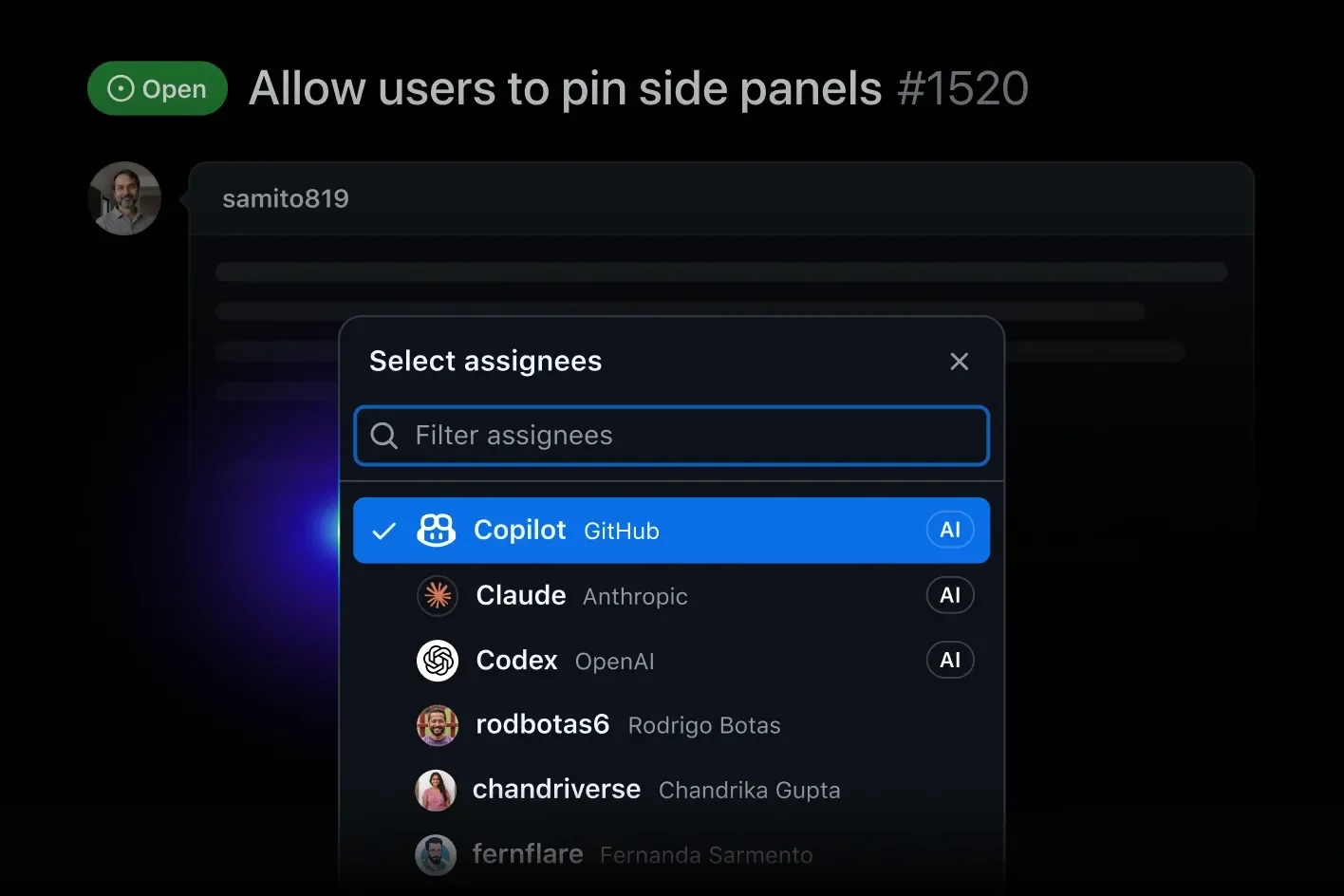
Recent documentation updates detail a lineup of AI models now powering Copilot, including various iterations of Claude and Gemini. GitHub Copilot is presenting options such as Claude Haiku 4.5, Claude Opus 4.5, Claude Opus 4.6, Claude Opus 4.7, Claude Opus 4.8, and Claude Sonnet 4.5, alongside Gemini 3.5 Flash. The "Auto model selection" feature now incorporates Claude Haiku 4.5, Claude Sonnet 4.6, and MAI-Code-1-Flash. Some of these models require specific versions of integrated development environments (IDEs).
Models in Flux
The move sees some older models being retired. For instance, Grok Code Fast 1 is suggested to be replaced by Claude Sonnet 4.6, and GPT-5.1-Codex-Max is to be superseded by Claude Opus 4.6. The list of suggested alternatives also includes Claude Sonnet 3.5, Claude Opus 4.6, Claude Sonnet 3.7, and Claude Sonnet 4.6. These changes imply a deliberate evolution of the technology, pushing towards specific model families for both general and extended capabilities.
Read More: Chrome mimeHandler API lets extensions handle file types

Plan-Specific Access
Access to these AI models is tiered. GitHub Copilot Student and Copilot Free users will have a subset of these models, with usage limits. GitHub Copilot Max is positioned for individuals with high-volume usage needs. The Copilot Business and Copilot Enterprise plans, the latter being for organizations using GitHub Enterprise Cloud, appear to have broader access, including features like "Review selection" in VS Code and a "Model Context Protocol (MCP)". Third-party agents are also noted as being in public preview for these higher tiers.
Read More: Why Manual Prompt Editing Is Better For AI Apps In April 2026

Evolving Landscape
These updates, primarily dated April 2026 for plans and ongoing for model support, paint a picture of a rapidly iterating tool. While the exact implications for user experience or coding efficiency remain to be seen, the strategic reallocation of AI resources points towards a focus on specific, likely more robust, underlying technologies. The company's documentation has long highlighted Copilot as an 'AI pair programmer,' a moniker that seems to be continually re-evaluated as the underlying tech progresses.