METEORITES LEAVE IMPRINT ON KoblENCE
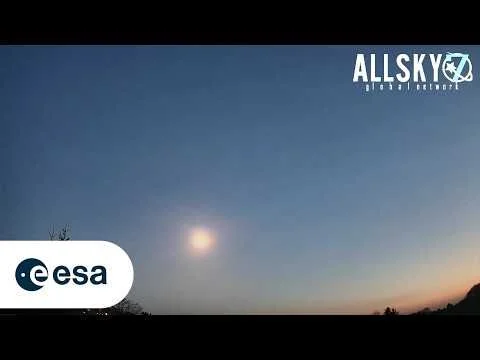
A fiery object, observed streaking across European skies on the recent weekend, has drawn the attention of the European Space Agency (ESA). The celestial event culminated in what is reported to be a fragment punching a hole, described as football-sized, through the roof of a residence in the German town of Koblenz. Observers noted the fireball's audible roar as it traversed the atmosphere.
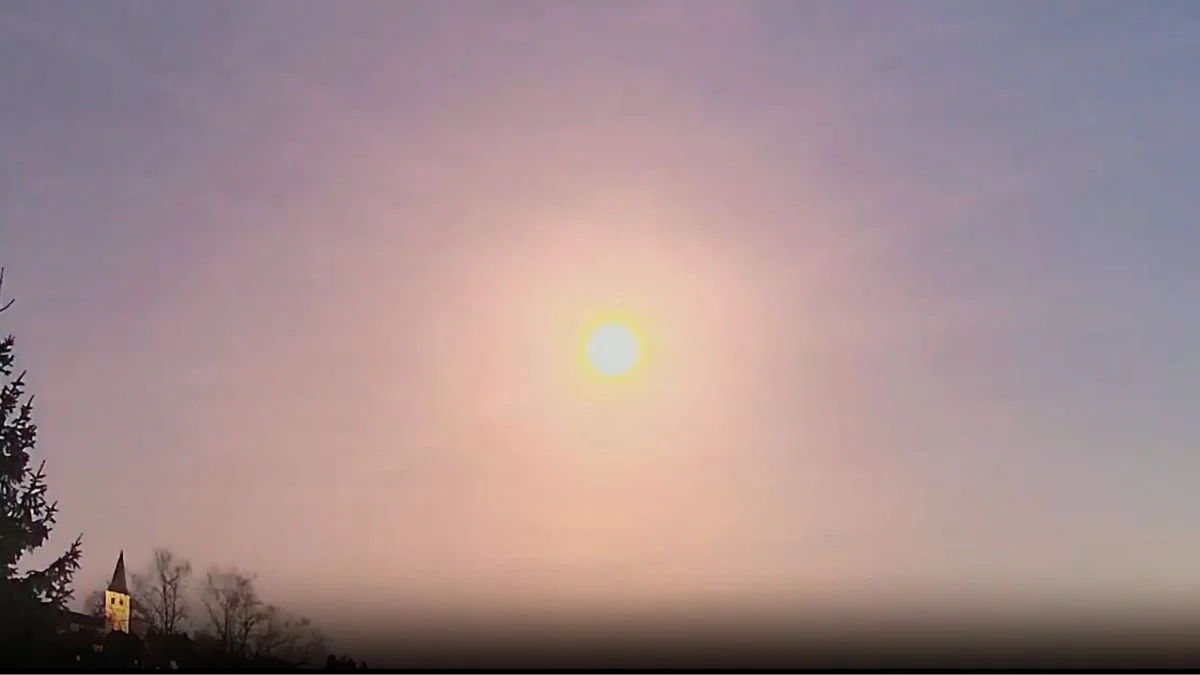
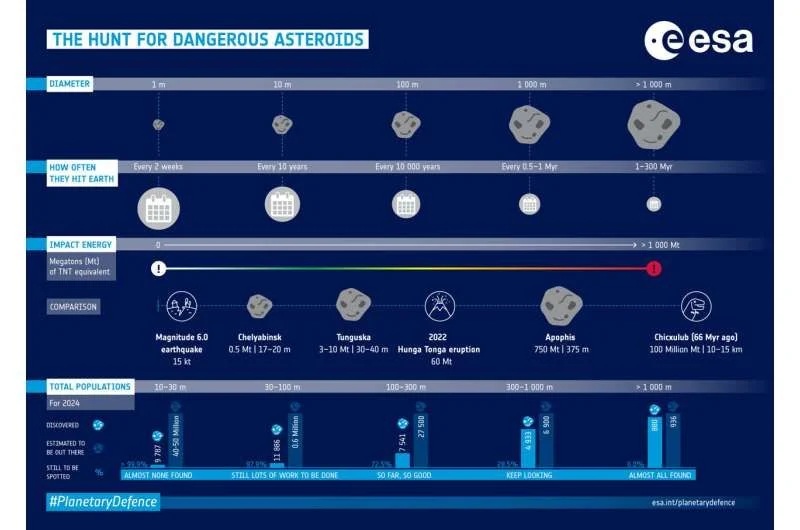
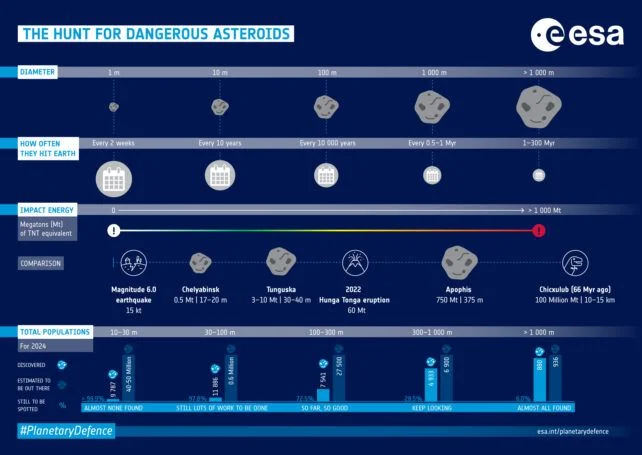
The ESA stated it is investigating the incident. These occurrences, involving objects of this size impacting Earth, are not exceptionally rare, happening with a frequency estimated between once every few weeks and once every few years. However, objects like this one, which are tracked before atmospheric entry, have only been documented eleven times prior to this event. The agency indicated that the fireball fragmented into smaller meteorites, with some ultimately reaching the ground and, reportedly, striking a house.
Read More: US Space Force Victus Haze Mission Successfully Tests Orbital Intercepts
BROADER IMPLICATIONS RAISE CONCERNS
Beyond the immediate physical impact, this event has spurred discussions regarding 'space safety' and the increasing amount of debris orbiting Earth. Scientists are currently engaged in analyzing fragments and associated data to determine the object's origin. The crucial question remains whether the material was naturally occurring meteoritic matter or if it constitutes human-made space debris, such as discarded satellite components or rocket remnants.
This incident serves as a stark reminder that potential impacts from space are not purely theoretical. While numerous 'fireball' sightings are logged globally by space agencies, direct impacts on inhabited structures remain an infrequent occurrence. The ESA's forthcoming findings are anticipated to contribute to ongoing dialogues concerning international policies on debris mitigation and the design of spacecraft to reduce associated hazards.
HISTORICAL CONTEXT
The fireball, witnessed on 'March 8, 2026', appeared around 18:55 Central European Time. It traveled from southwest to northeast, illuminating the skies over multiple countries including Belgium, France, Germany, Luxembourg, and the Netherlands. Its fragmentation occurred over the Rhineland-Palatinate region. This particular event, the Koblenz fireball, was not among previously identified celestial objects slated for observation.
Read More: University of Bonn study shows visual signs boost animal welfare sales