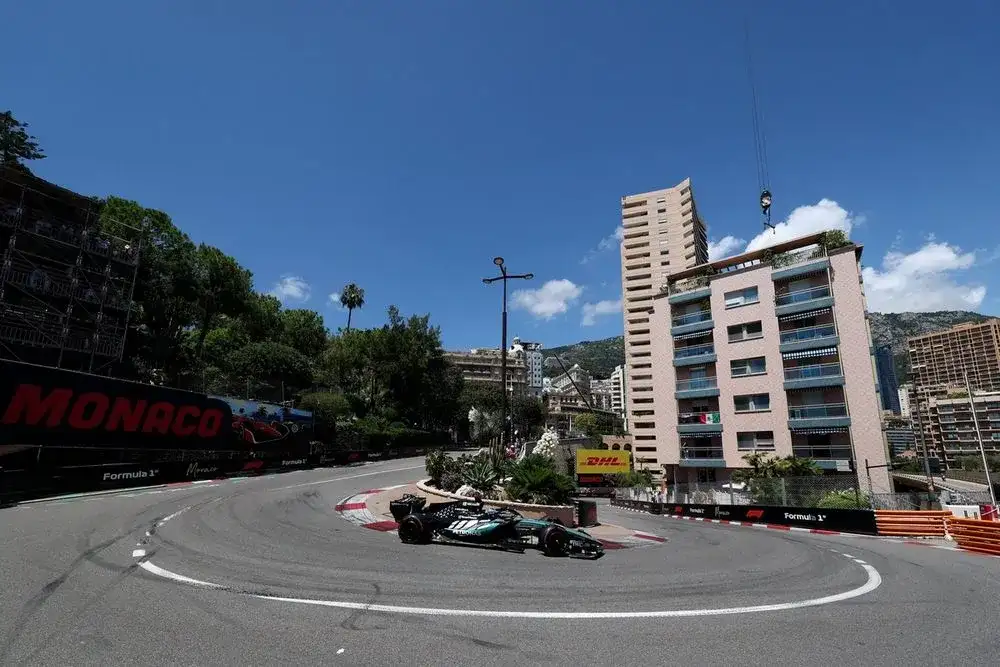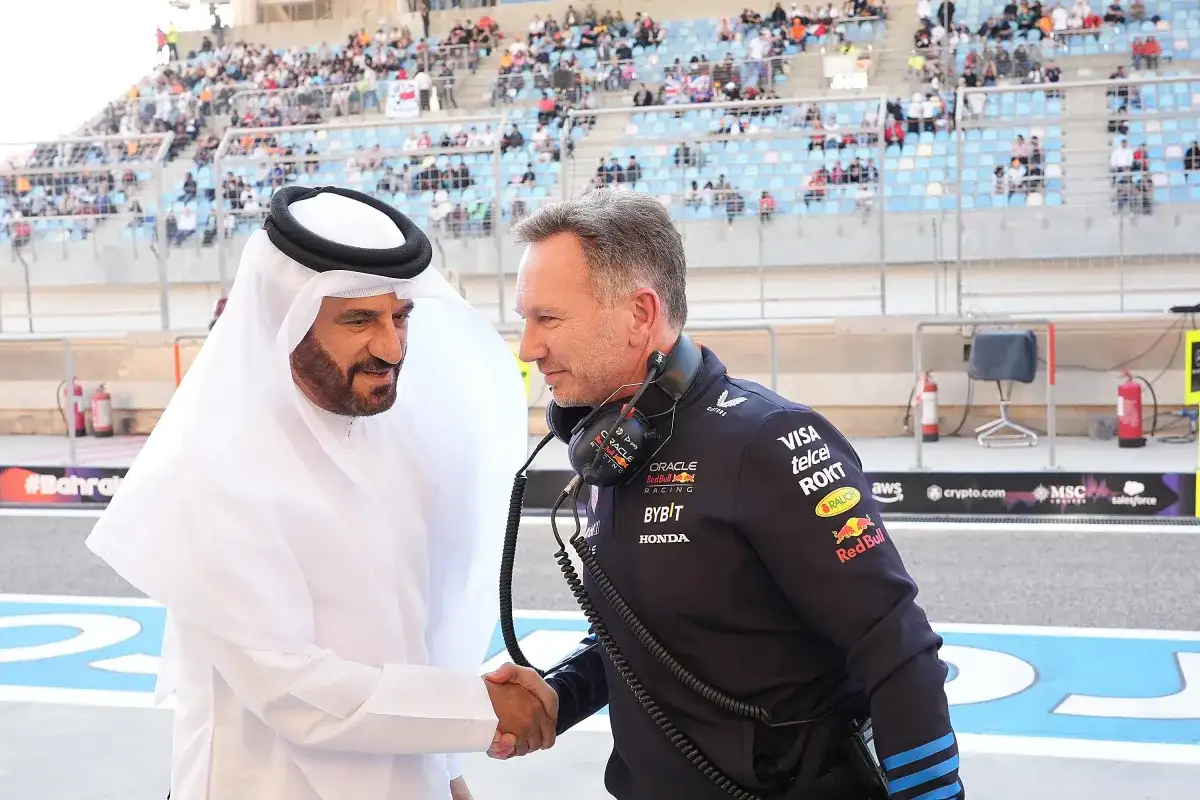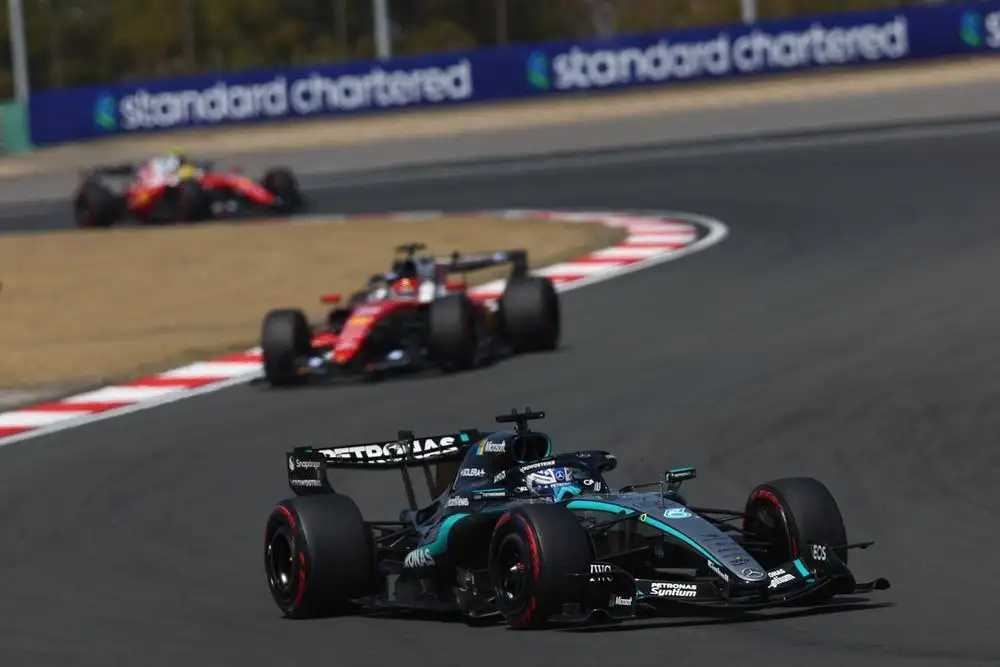
George Russell finds himself in an uncharacteristic position of quiet confidence as the 2026 Formula 1 season unfolds, a year many see as a potential watershed moment for his career. Mercedes appears to have delivered a competitive package, placing Russell in contention for wins and, potentially, a championship fight. This stands in stark contrast to previous seasons where his performance was often defined by proving himself against his teammate. His victories in Canada and Singapore last year, achievements shared only with a select few drivers, underscore this newfound momentum.
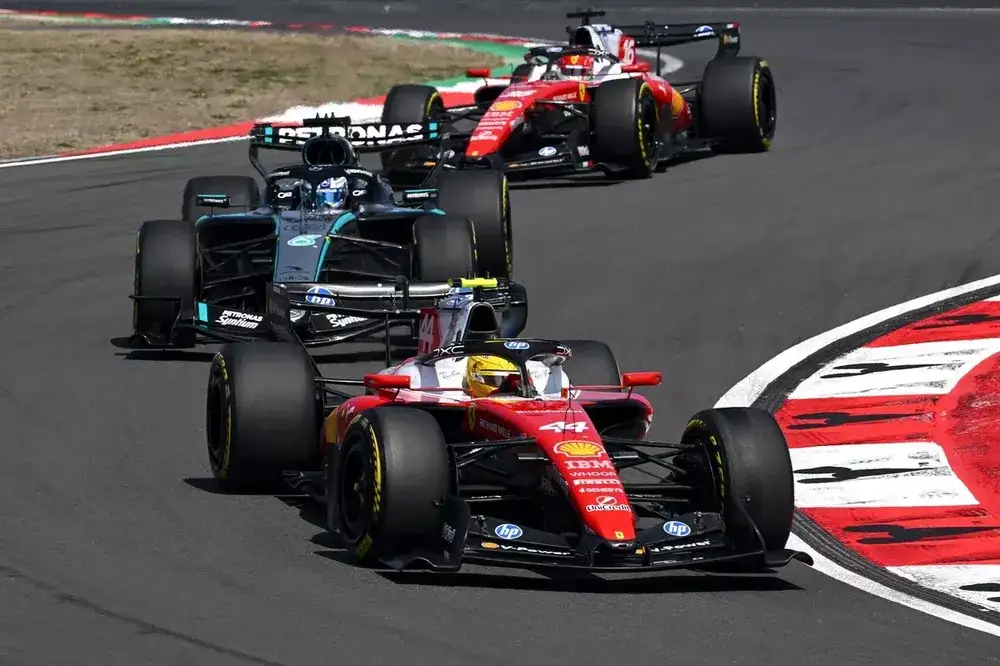
The season's opening races, particularly the Australian Grand Prix, have highlighted Mercedes' apparent advantage, which extends beyond raw power. Reports suggest their prowess in managing the new, energy-intensive power units is a significant factor. While rivals like McLaren, also utilizing Mercedes engines, lagged considerably behind Russell, this performance seems to stem from a nuanced understanding of the new regulations governing battery deployment and energy management. This new era of Formula 1, characterized by a heavier reliance on electric power, has made such strategic acumen paramount, forcing drivers to think multiple steps ahead rather than simply driving flat out.
Read More: George Russell Struggles: 43 Points Behind Teammate Antonelli

However, this new regulatory framework has also ignited significant debate and division within the paddock. While Russell expresses a certain appreciation for the tactical depth it introduces, viewing it as a positive evolution that "purists" are beginning to appreciate, a notable contingent, including Max Verstappen and Lando Norris, have voiced strong criticisms. The core of their dissent appears to revolve around the substantial increase in battery power and the resultant "worrying closing speeds" between cars deploying different energy levels. This has led to drivers spending more time managing energy than pushing the limits, a stark departure from previous racing methodologies. The unexpected speed differentials, underscored by a significant accident involving Oliver Bearman in Japan, have brought safety concerns to the forefront, prompting urgent discussions between drivers, F1, and the FIA.
Read More: Christian Horner to Attend 2026 British Grand Prix
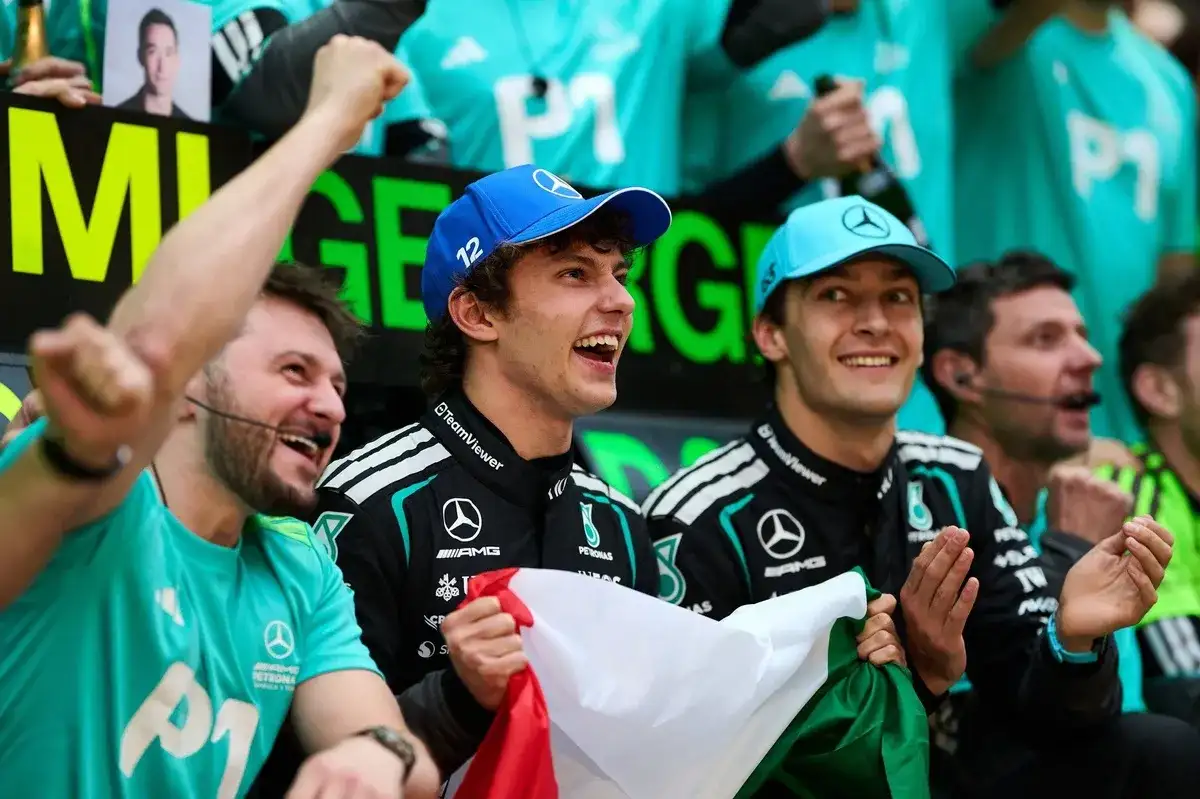
Despite the controversy surrounding the new rules, Russell, in his capacity as a director of the Grand Prix Drivers' Association, has been actively involved in dialogue with the FIA. Recent reports suggest a remarkably collaborative relationship, with technical discussions reaching a new level of closeness. This proactive engagement, coupled with Russell's performance, suggests a genuine effort from the sport's governing body to address driver concerns and refine the regulations, with potential tweaks anticipated for the upcoming Miami Grand Prix.
Russell's Trajectory and Internal Dynamics
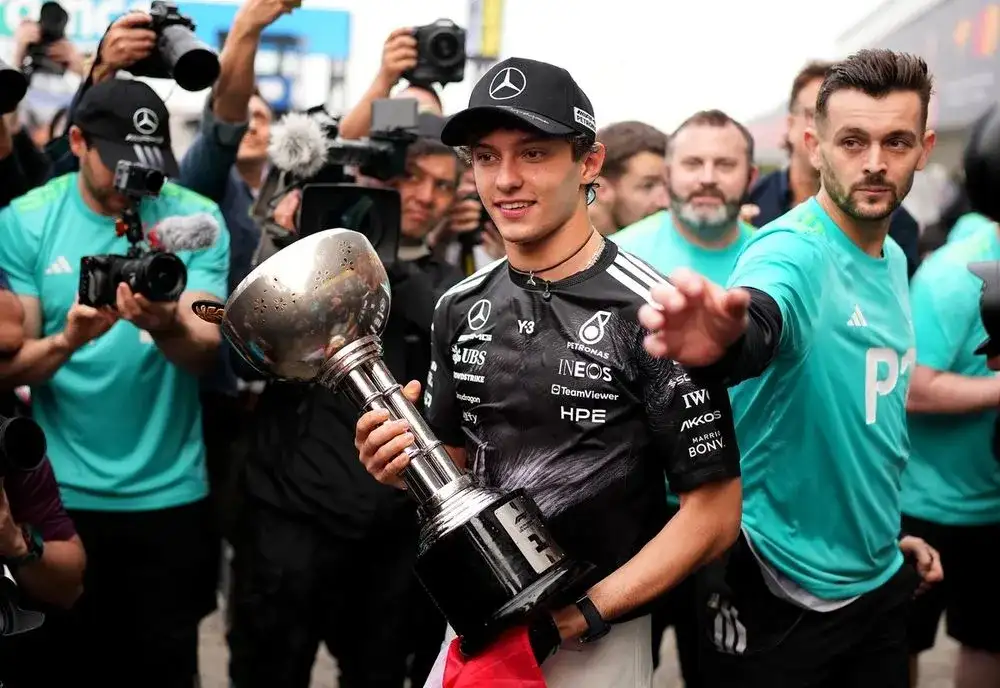
The narrative surrounding George Russell this season is further complicated by the burgeoning presence of his teammate, Kimi Antonelli. While Russell was widely tipped as the preseason favorite for the title, Antonelli, in his second F1 season, has already secured a race win, creating a dynamic that some perceive as Russell "losing the title fight" to his younger counterpart. Russell, however, downplays such notions, emphasizing his focus on personal consistency and maximizing results, even when facing qualifying issues or race disruptions, as seen in China and Japan. He maintains his approach has not shifted, despite Mercedes now providing a more consistently performing car.
Read More: Kimi Antonelli Takes Pole for 2026 Monaco Grand Prix
Historically, Russell has been positioned as a future champion, a "star of the future" long before his F1 debut. His assertive driving style, unafraid to challenge figures like Max Verstappen, has been a consistent trait. This season, the opportunity for him to seize his chance feels more tangible, with Mercedes' pre-season testing providing "encouraging signs" and suggesting they might have found an early advantage in their new engine. The potential for Russell to challenge for the championship is a storyline gaining traction, drawing parallels to established champions' career progressions.
Read More: McLaren's 1,000th F1 Race: Is the Number Correct?
Context of F1's Regulatory Overhaul
The current season marks a significant overhaul of Formula 1's technical regulations. The introduction of new chassis and engine designs, with a pronounced emphasis on electric energy and battery management, represents the championship's latest attempt to reshape the racing spectacle. The initial predictions suggested a radical departure from established driving techniques, with drivers like Esteban Ocon stating that much of their prior learning might become obsolete. Russell's experience, however, suggests a less absolute shift, with elements of traditional racing strategy still very much in play. The debates around these new rules are particularly intense, given that drivers like Verstappen have even considered their futures in the sport due to dissatisfaction with how the cars now behave, specifically regarding the energy management demands.
Read More: Lewis Hamilton Tops Monaco Practice, Faces Dual Team Support Questions