


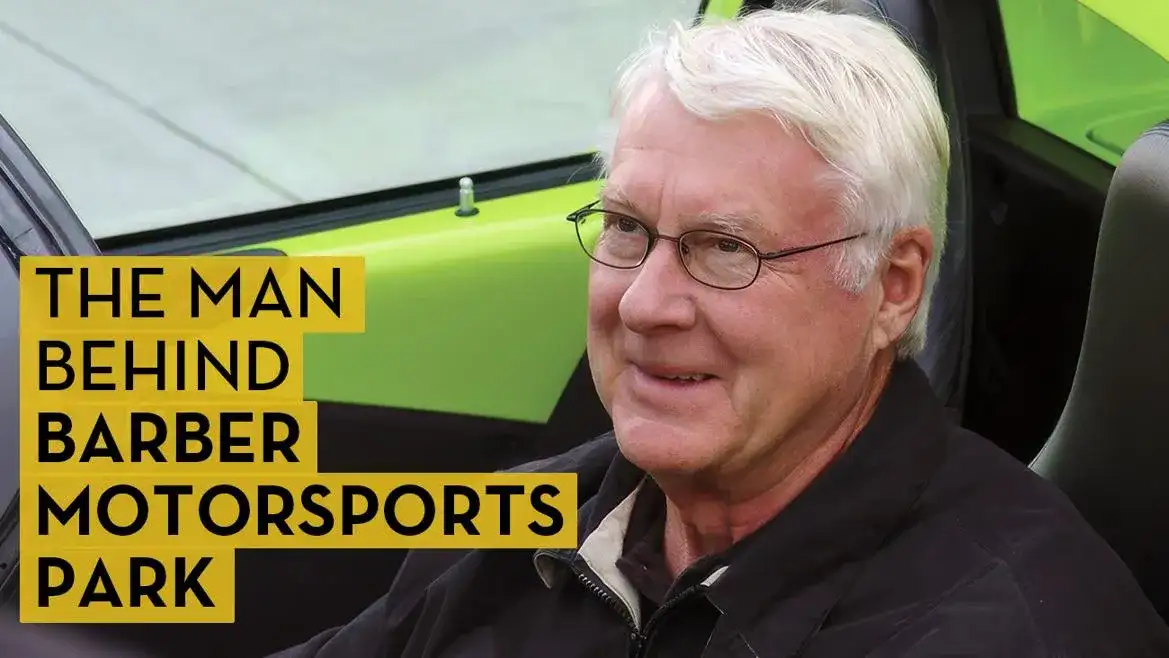
George Barber, a key figure in the global motorcycling community and the founder of the world’s largest motorcycle museum, died at the age of 85. Barber was known for turning a successful family dairy business into a major contribution to motorsports history. His work in Birmingham, Alabama, created a central point for racing fans and historians alike. The American Motorcyclist Association (AMA) confirmed his passing, marking the end of a career that spanned from commercial business to professional racing and historic preservation. His death raises questions about the future leadership of his 880-acre motorsports park, though the facility continues to operate as a primary destination for international racing events.
From Dairy Production to Racing Success
George Warren Barber Jr. was born on September 15, 1940. He spent his early career managing the family business, Barber Dairies, which his father started in the 1930s.
Read More: Kyle Busch's Wife Shares Grief After Racer's Death
1970: Barber took over the dairy business following his father's death.
Business Growth: He grew the company into a large regional provider before selling it to Dean Foods in 1998.
Early Racing: In the 1960s, Barber competed in car racing, specifically driving and maintaining his own Porsche cars.
The Shift: While he began with cars, his focus eventually moved to motorcycles, which led to the creation of a restoration program and a racing team that competed in the United States and Europe.
"Mr. Barber had money, loved racing and had that spark of crazy—and the world of motorsport is a better place for it." — Classic Motorsports
Data and Recognition
Barber's contributions were verified by several major organizations. The following table shows the milestones that defined his public career:
| Category | Detail | Status/Scale |
|---|---|---|
| Official Honors | AMA Motorcycle Hall of Fame | Inducted |
| Museum Size | Barber Vintage Motorsports Museum | World's Largest (Guinness World Record) |
| Land Use | Barber Motorsports Park | 880 Acres |
| Business Legacy | Barber Dairies | Sold in 1998 |
| Core Interest | Historic Preservation | Over 1,600 motorcycles |
Barber was a pioneer in dairy pasteurization before focusing his resources on the preservation of motor vehicle history.
Analysis of Legacy and Influence
The Transition of Wealth to Philanthropy
Barber used the funds from the sale of his dairy business to build the Barber Vintage Motorsports Museum. Investigators note that this was not merely a private collection but a public-facing institution. He hired expert workers to fix old motorcycles, ensuring they were in working order rather than just being on display. This choice suggests a preference for mechanical integrity over simple visual presentation.
Impact on Birmingham Infrastructure
The 880-acre Barber Motorsports Park became a major source of tourism for Alabama. It includes a world-class racetrack that hosts events for various racing series.
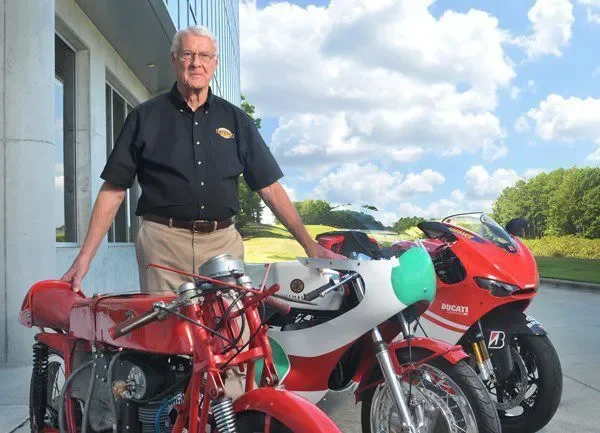
The park serves as a hub for major racing events.
It provides a permanent home for a massive collection of machines.
How will the management of this large-scale facility change without its founder’s direct oversight?
Racing as a Technical Pursuit
In his youth, Barber was not just a driver; he was also a mechanic. Records show he had "great success" in the 1960s with Porsche racers. This hands-on experience likely informed how he later managed his vintage motorcycle racing team. He moved from being a participant in the sport to a curator of its history.
Read More: Alabama Man Dies of Heart Attack After Killing Partner
Professional Perspectives
The American Motorcyclist Association expressed that Barber had a "unique impact" on the community. His induction into the Hall of Fame was based on his role as a promoter and a person who saved important parts of motorcycling history.
Experts in the field often point to the museum as the "gold standard" for vehicle collections. Unlike many private collections, Barber's facility was designed for large-scale public access and education. This has kept the history of motorcycle engineering visible to the public.
Findings and Implications
George Barber’s death concludes a life divided into two distinct halves: industrial business management and motorsports preservation.
Economic Impact: His dairy business helped modernize food safety in the region, while his museum later boosted the local economy through tourism.
Preservation: He leaves behind a collection of over 1,600 motorcycles, many of which are unique or the last of their kind.
Uncertainties: While the museum and park are established, the long-term governance of the facility is now in a transitional phase.
Investigators conclude that Barber’s primary legacy is the physical infrastructure he built in Birmingham. The museum remains a permanent record of mechanical progress, funded by his success in the American dairy industry.
Read More: Suárez Wins Coca-Cola 600 After Kyle Busch Death
Primary Sources
Motorcycle.com: AMA Hall of Famer George Barber Passes at 85
Motorsports Newswire: AMA Mourns Passing of AMA Motorcycle Hall of Famer George Barber
American Motorcyclist Association: George Barber Archives
Roadracing World: R.I.P.: Barber Vintage Motorsports Museum Founder George Barber
Memoritree: George Barber Obituary (1940-2026)
Classic Motorsports: George W. Barber Jr. dies
Road Dirt: The Passing of a Motorsports Icon

:max_bytes(150000):strip_icc():focal(999x0:1001x2)/kyle-busch-1a5340ca5f7d4a45806b78b9bb6669b8.jpg)


