

:max_bytes(150000):strip_icc():focal(749x0:751x2)/jackie-kennedy-7-2d07f22458d642e093b26951fe21f1cf.jpg)
Cancer Claims Former First Lady at 64
Jacqueline Kennedy Onassis, a figure whose life was as public as it was guarded, died Thursday evening at her Fifth Avenue apartment in New York City. She was 64. Doctors had informed her the previous day that her battle with cancer, a protracted struggle, offered no further recourse. The former first lady's passing marks the end of an era, a moment when a woman who defined grace under pressure, and later, quiet resilience, departs the public stage.
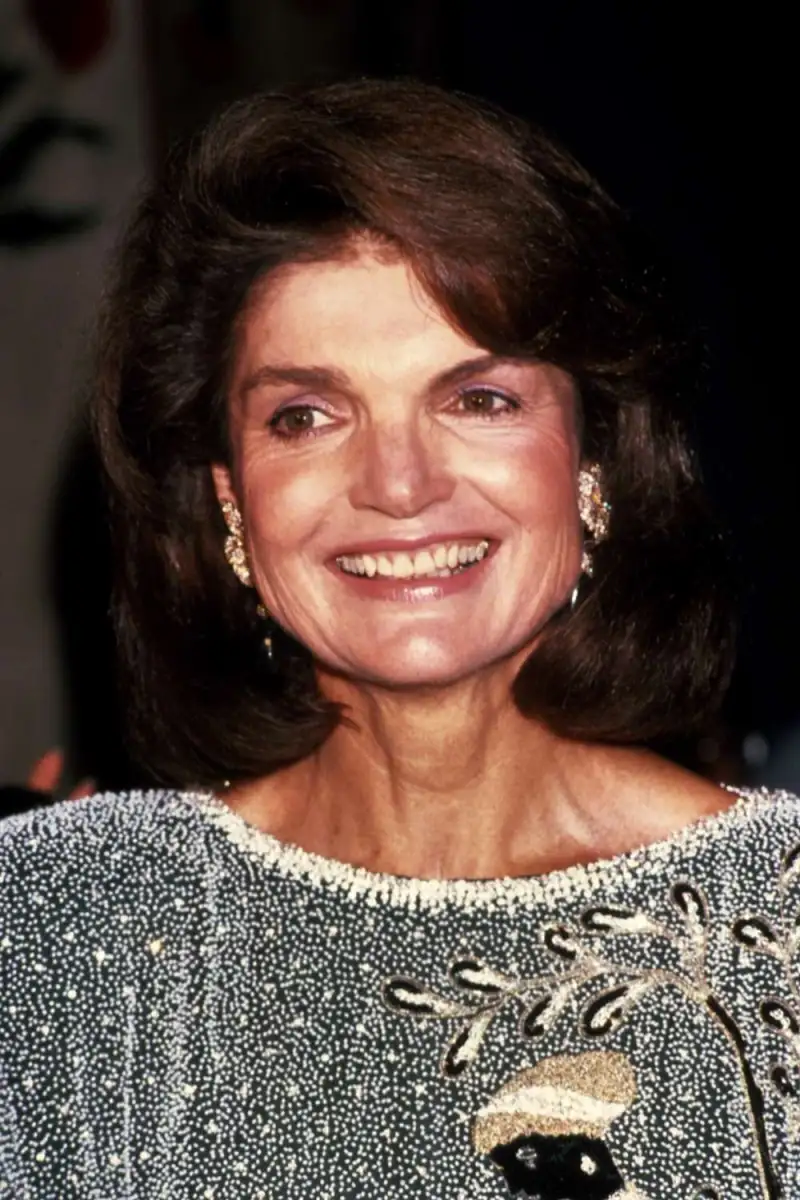
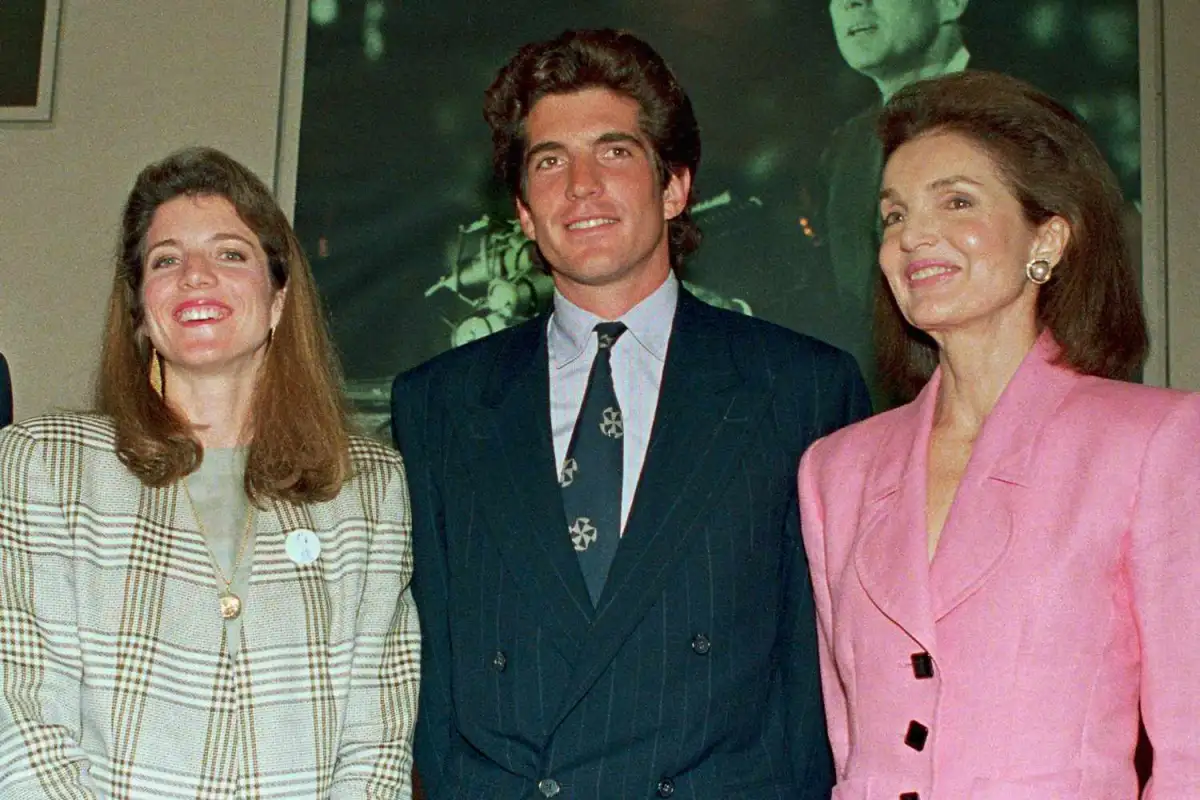
Her children, Caroline Kennedy Schlossberg and John F. Kennedy Jr., were at her side during her final moments. The news of her death, carried by major news outlets on May 20, 1994, brought a somber pause to the nation, a collective recollection of the woman who embodied both the glamour and the grief of the "Camelot" years. Onassis leaves behind a legacy that transcends her role as First Lady, one marked by her ability to navigate profound tragedy with a stoic public facade.
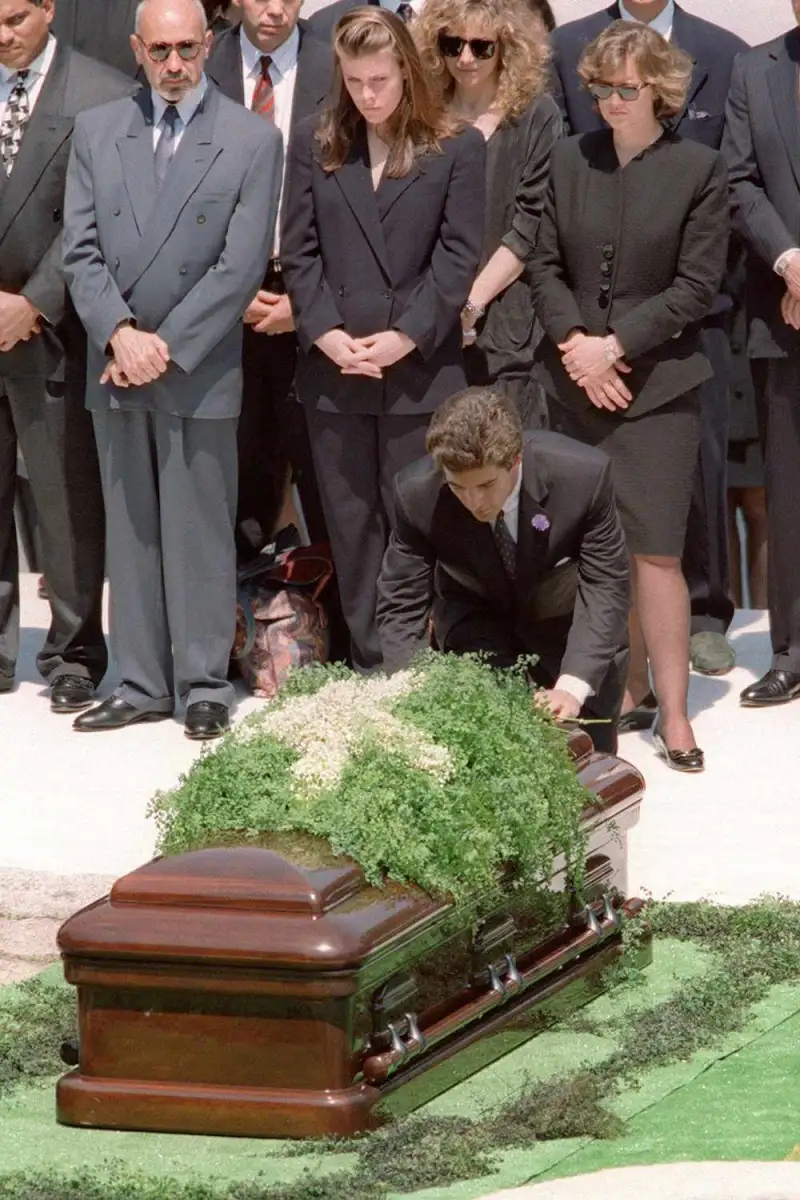
The details of her final days, like much of her life, remained cloaked in a carefully maintained privacy. While her public image was one of enduring style and an almost ethereal elegance, her personal life was a fortress against intrusive speculation. Even as rumors swirled about her late husband's presidency, she maintained a dignified silence. She was, in many respects, a symbol – of hope in times of triumph, and of an unyielding spirit in the face of devastating loss. Her passing was officially announced by her family, with her son, John F. Kennedy Jr., delivering a brief statement outside her residence, a moment that itself became part of the historical record.
A Life Defined by Public Roles and Private Sanctuaries
Jacqueline Kennedy Onassis redefined the role of First Lady, imbuing it with a sense of cultural gravitas and personal style that captivated the nation. Her tenure in the White House, often referred to as "Camelot," was a period of both idealism and unprecedented national trauma. Following the assassination of President John F. Kennedy in 1963, she endured immense public scrutiny, yet managed to project an image of strength that became foundational to her enduring public persona.
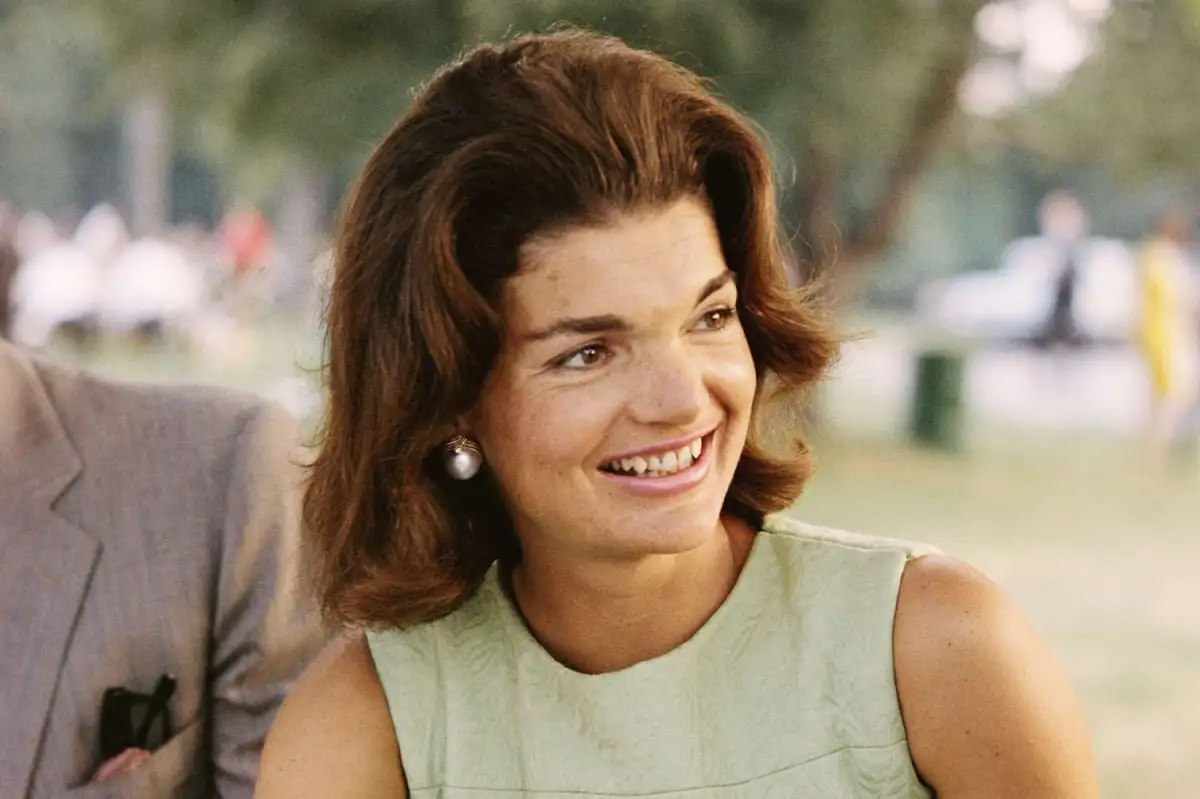
After leaving Washington, she largely retreated from the intense glare of political life, pursuing a career as an editor at Doubleday. Her marriage to Greek shipping magnate Aristotle Onassis also placed her on a different global stage for a period. Yet, even in her years away from the White House, she remained a subject of fascination, her comings and goings meticulously documented, her choices, however personal, dissected.
Her public appearances, though infrequent in later years, were always met with anticipation. She was, by many accounts, adored by the public, even when her patience wore thin with relentless questioning about her fashion or when her attention seemed to wander during her husband's public addresses. This widespread affection persisted, a testament to her unique ability to connect with a national consciousness, often through her quiet resilience and her enduring embodiment of American style. Her ability to compartmentalize and carry her grief, while still engaging with the public and her private life, remains a compelling aspect of her narrative.
Background and Legacy
Born Jacqueline Lee Bouvier on July 28, 1929, she was destined for a life in the public eye. Her early life and education were marked by privilege and a burgeoning intellectual curiosity. Her marriage to John F. Kennedy in 1953 propelled her into the highest echelons of American society and politics.
The assassination of President Kennedy in Dallas in 1963 was a defining, shattering moment for both the nation and for Mrs. Kennedy personally. The iconic images of her that day, in her blood-stained suit, became indelible symbols of national mourning. Her subsequent marriage to Aristotle Onassis in 1968 further fueled public discussion and, at times, criticism.
Throughout her life, Jacqueline Kennedy Onassis maintained a carefully curated image, a blend of public accessibility and fierce private protection. She cultivated an aura of mystery, a deliberate counterpoint to the constant demands of her public roles. Her enduring legacy is one of profound influence, a testament to a woman who navigated immense historical currents with a distinctive personal grace, forever entwined with the narrative of 20th-century America.