


Improperly organizing a refrigerator can pose significant risks to household health. The placement of various food items, particularly raw meats, is highlighted as a critical factor in preventing the spread of bacteria and potential foodborne illnesses. A well-ordered fridge, conversely, is presented as a cornerstone of kitchen safety, contributing to both food freshness and the prevention of waste.

The Crucial Role of Fridge Organization
The way groceries are arranged within a refrigerator can directly influence the safety and longevity of the food stored there. Simple adjustments to storage habits can mitigate risks associated with bacterial contamination.
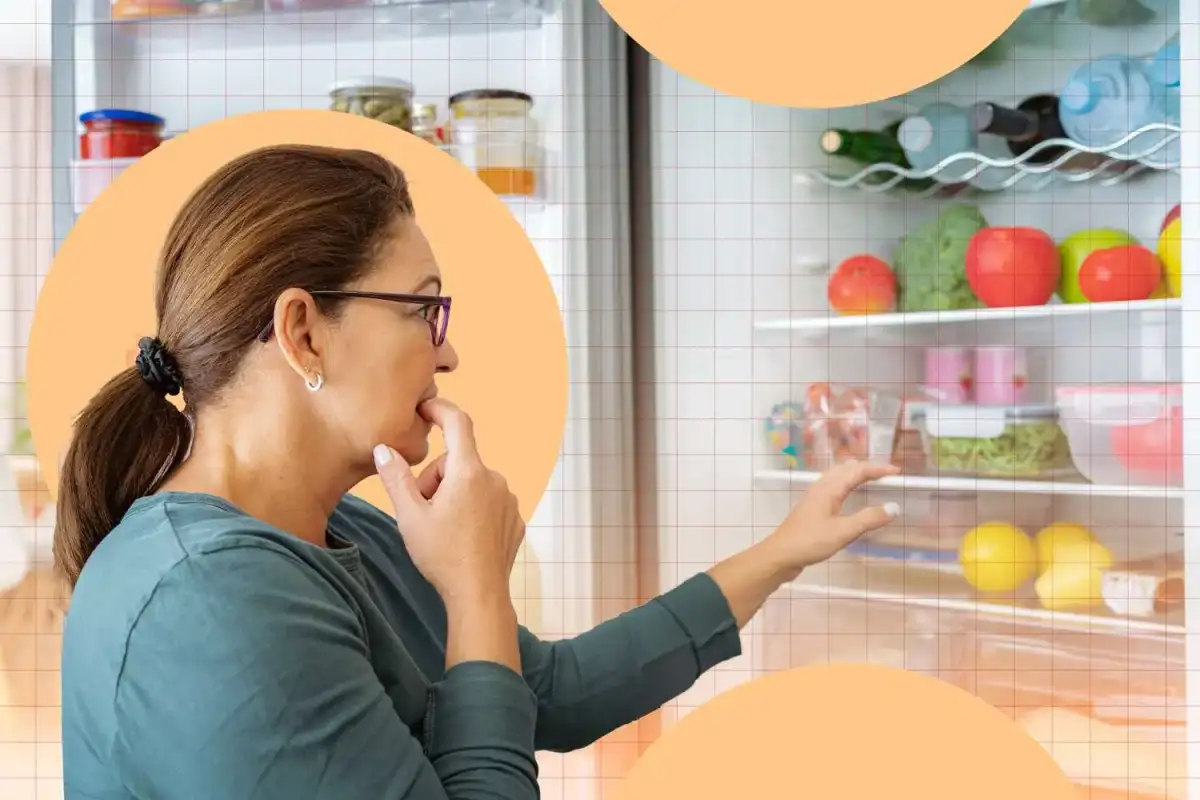
Preventing Contamination: The primary concern raised across multiple sources is the potential for raw meat juices to drip onto other foods, spreading harmful bacteria. This risk is particularly amplified if raw meat is not stored on the lowest possible shelf.
Maximizing Freshness and Safety: Proper organization is not just about preventing illness; it also plays a role in maintaining food quality and reducing spoilage, which in turn helps to cut down on household food waste.
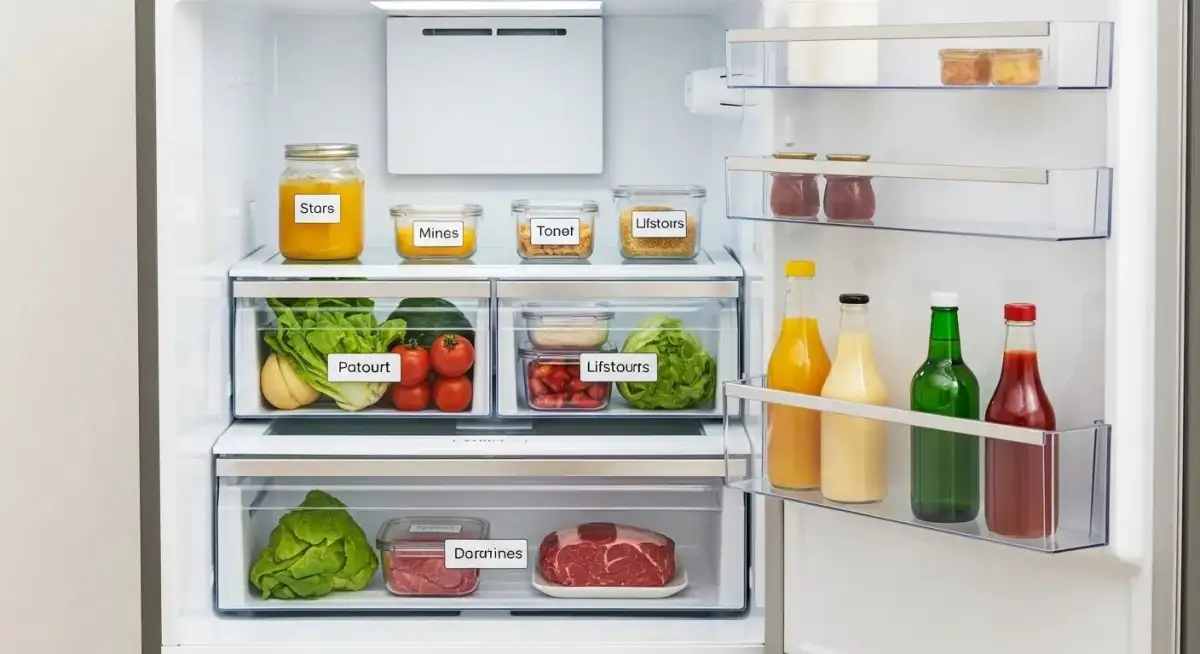
Understanding Fridge Zones and Food Placement
Refrigerators have varying temperature zones, and understanding these differences is key to effective food storage.
Lowest Shelf:
Essential Food Hygiene and The Safer Food Group strongly advise placing raw meats on the bottom shelf.
This is to prevent any leakage from raw meat from contaminating foods stored below it, a practice confirmed by food safety experts quoted by eatingwell.com.
Middle Shelves:
eatingwell.com suggests that more perishable items, needing colder temperatures, belong on the coldest shelf, which is typically a middle one.
self.com specifically mentions storing dairy products and packaged items on these shelves.
wellri.com advises storing eggs in their original cartons on a middle shelf.
Top Shelves:
Foods that are more stable and less prone to spoilage can be placed on the top, often warmer, shelves, according to eatingwell.com.
Drawers:
Produce drawers are often designed for fruits and vegetables, though thefoodsafetydad.com cautions against overstuffing them.
It is also suggested that fruits and vegetables should not be indiscriminately lumped together if space allows for separation.
Essential Food Safety Practices for Refrigeration
Beyond simple placement, several other practices are integral to maintaining a food-safe refrigerator.
Temperature Control:
The Safer Food Group and plugchef.com emphasize the importance of maintaining a refrigerator temperature of 5°C (41°F) or below.
Using a food thermometer is recommended to ensure this temperature is consistently met.
Raw vs. Cooked Separation:
goodhousekeeping.com specifically calls for the separation of raw and cooked foods to avoid cross-contamination.
Thawing and Defrosting:
Food should always be thawed inside the refrigerator, according to goodhousekeeping.com.
Regular defrosting of the fridge or freezer is also advised.
Pre-Storage Preparation:
When storing fruits and vegetables, it's suggested to remove roots and stems but keep the rest of the cutting for later use.
A check should be made to confirm if produce is best refrigerated or kept at room temperature before storage.
Expert Insights on Fridge Organization
Food safety experts and organizations underscore the significance of proper fridge organization for public health.
Read More: Carrot Extract Tricks Fake Ghee Tests in New Study
"The way that you organise your fridge could be putting your health at risk and the positioning of foods contributes to their longevity and how safe they may be to eat."— Huffington Post UK
"A well-ordered refrigerator is a cornerstone of a safe and efficient kitchen. Knowing how to organise a fridge for food safety is essential for preventing foodborne illnesses and minimising waste."— The Safer Food Group
"Storing food on the wrong shelves might be the food storage mistake you didn’t even know you were making. Because the juices can leak and spread bacteria, raw meat should always go on the bottom shelf."— EatingWell
Conclusion and Next Steps
The evidence presented strongly indicates that a disorganized refrigerator can lead to health hazards through the cross-contamination of food. Key recommendations focus on the strategic placement of raw meats on the lowest shelf, maintaining a consistent cold temperature (5°C or below), and separating raw from cooked foods.
Further investigation could involve public awareness campaigns to disseminate these food safety guidelines widely. Monitoring for compliance in food service establishments could also be a future step.
Sources:
Huffington Post UK: https://www.huffpost.com/entry/fridge-organisation-tipsuk698f39d0e4b0224cd9c7ade0
Good Housekeeping: https://www.goodhousekeeping.com/uk/food/a552355/organising-your-fridge-right/
HSE Blog: https://www.hseblog.com/food-safety-fridge-storage/
The Safer Food Group: https://www.thesaferfoodgroup.com/knowledge/how-to-organis/
EatingWell: https://www.eatingwell.com/this-simple-fridge-fix-can-help-you-avoid-food-poisoning-11777696
PlugChef: https://plugchef.com/how-to-organize-a-fridge-for-food-safety/
The Food Safety Dad: https://thefoodsafetydad.com/how-to-properly-organize-your-fridge/
Self: https://www.self.com/story/how-to-organize-your-fridge
WellRi: https://wellri.com/master-your-fridge-top-tips-for-organized-food-safety


:max_bytes(150000):strip_icc()/ar-ice-cream-recall-revision-ar-adobe-2x1-d0f30fb6a96f4500baf9d27f9d387609.jpg)