Blowout Blamed on Hidden Asbestos, Soaring Construction Expenses
The Fremantle Hospital redevelopment has incurred a significant financial setback, with costs ballooning by an estimated $25 million. Officials point to the pervasive presence of asbestos within the existing structures and escalating construction material prices as the primary drivers of this substantial budget overrun.
The discovery of asbestos, a known carcinogen, necessitated costly and complex abatement procedures, disrupting the planned construction timeline and injecting unforeseen expenses. This, compounded by a general upward trend in the cost of essential building supplies, has strained the project's finances beyond initial projections.
Unearthing Hidden Dangers
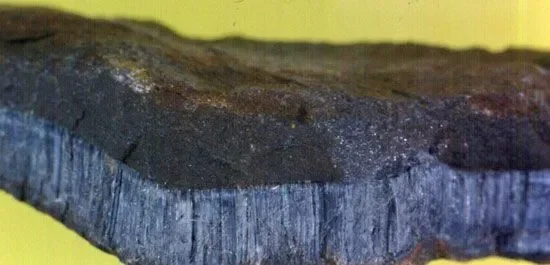
The presence of asbestos, a mineral fiber previously lauded for its insulating and fire-resistant properties, has become a recurring challenge in older building renovations worldwide. Its discovery at the Fremantle Hospital site required meticulous containment and removal processes, adding layers of complexity and expense. While chrysotile asbestos remains a common form, various types, including serpentine and amphibole asbestos, have historically been used.
Read More: India IVF Costs And Social Barriers Limit Access In April 2026
The global response to asbestos has seen a push towards 'evidence-based strategies' to manage existing materials and mitigate legacy exposure. Initiatives, such as the creation of nationwide asbestos inventories, aim to tackle the ongoing risks associated with these hazardous substances. This includes developing and implementing regulations for transboundary movement of asbestos waste.
Economic Headwinds Impact Project
Beyond the specific issue of asbestos, the project's budget has been impacted by broader economic factors. Rising prices for construction materials have been a persistent concern, affecting numerous large-scale building endeavors. Developers and contractors have been forced to contend with increased costs for everything from steel to concrete, adding pressure to project budgets.
Historically, asbestos was widely incorporated into building materials and manufactured products due to its perceived benefits in construction and manufacturing. However, with growing awareness of its severe health risks, including links to various cancers, substitutes have been developed and implemented since the 1980s. The ongoing management of asbestos in older structures presents a persistent challenge, requiring specialized expertise and significant financial investment. Organizations like the Asbestos Ombudsman exist to address concerns, particularly regarding asbestos in schools.
Read More: UK Building Safety Rules Change Affects Construction Companies