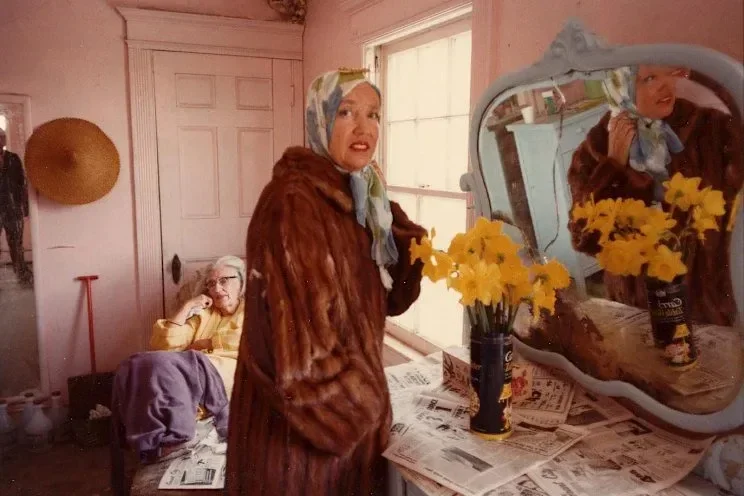
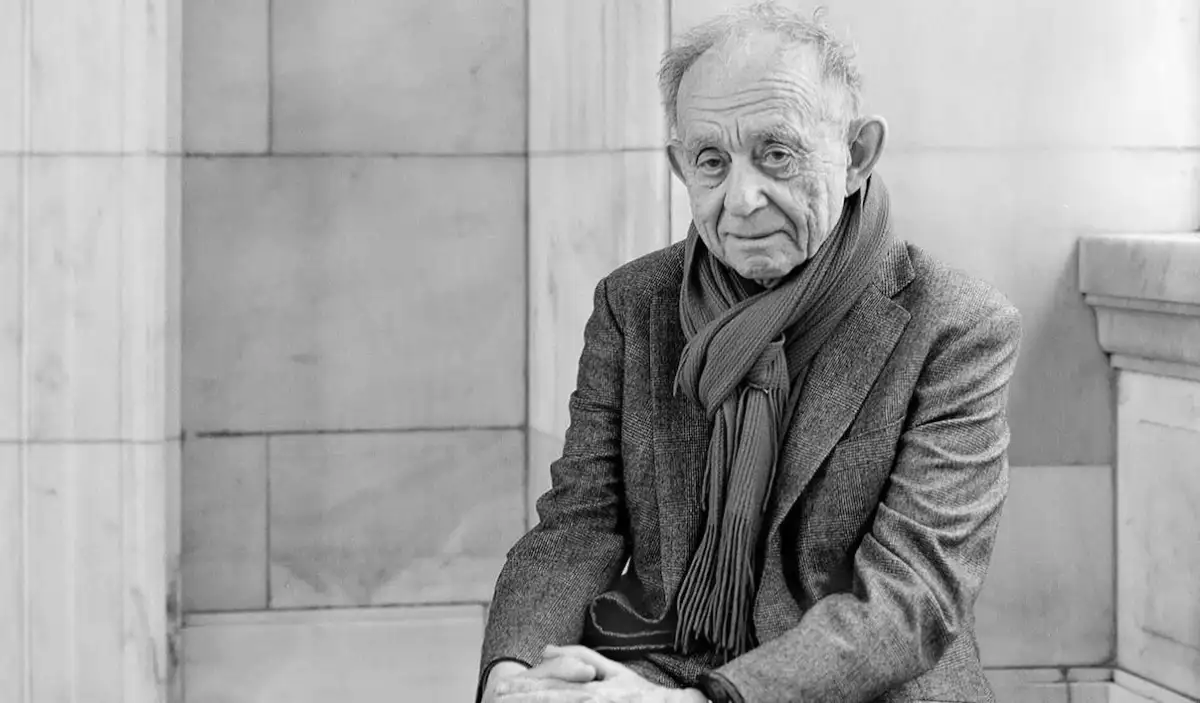
Frederick Wiseman, a filmmaker celebrated for his deep dives into American institutions and human behavior, has died at the age of 96. His passing was announced through a joint statement from his family and his production company, Zipporah Films. Over a career spanning nearly six decades, Wiseman produced over 40 films, capturing the complex realities of settings ranging from hospitals and high schools to public housing and police departments. His work, often characterized by lengthy runtimes and an observational style, earned him an honorary Academy Award in 2016 and left a significant imprint on the documentary genre.
A Career Unfolding Through Observation
Born in Boston, Wiseman's early life offered varied experiences that would later inform his filmmaking. His father was a lawyer, and his mother worked as an administrator in a psychiatric ward and harbored acting aspirations. Wiseman himself pursued higher education at elite institutions, including Williams College and Yale Law School, before pivoting to filmmaking. He aimed to create a comprehensive cinematic record of American life, a goal he pursued with remarkable dedication.
Read More: Climate Advocate Rafe Pomerance Dies at 79
Wiseman's objective was to create as many films as possible that depicted different facets of American life.
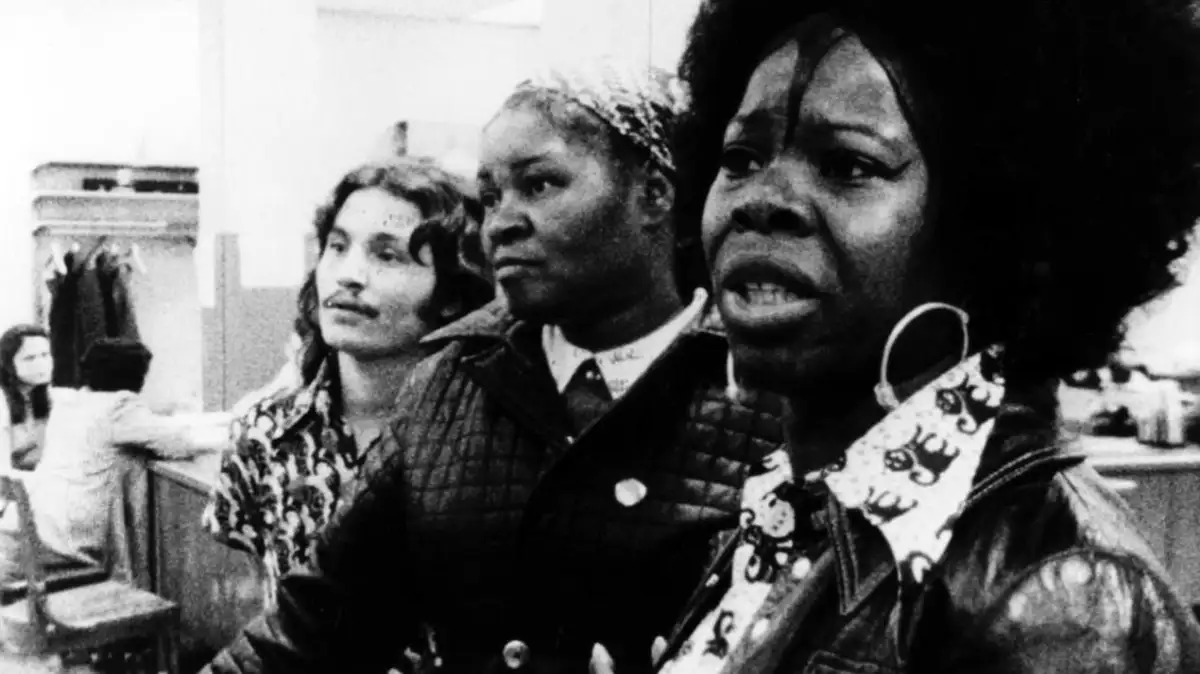
His approach involved embedding himself within institutions, observing and filming for extended periods. This method allowed him to capture nuanced interactions and the often-unseen details of how individuals navigated these environments. The result was a body of work that presented unvarnished portraits of society, prompting reflection on social and economic issues.
Documenting the Fabric of Society
Wiseman's films, often with direct and descriptive titles such as "Hospital," "High School," and "Public Housing," offered audiences unflinching views of the institutions that shape daily life. He meticulously filmed his subjects, often for 12 to 14 hours a day, exploring various angles to ensure ample material for his rigorous editing process.
His films were not about constructing a thesis but rather about observing and presenting reality as it unfolded.
Read More: Billy West Memoir Reveals How He Created Fry's Voice
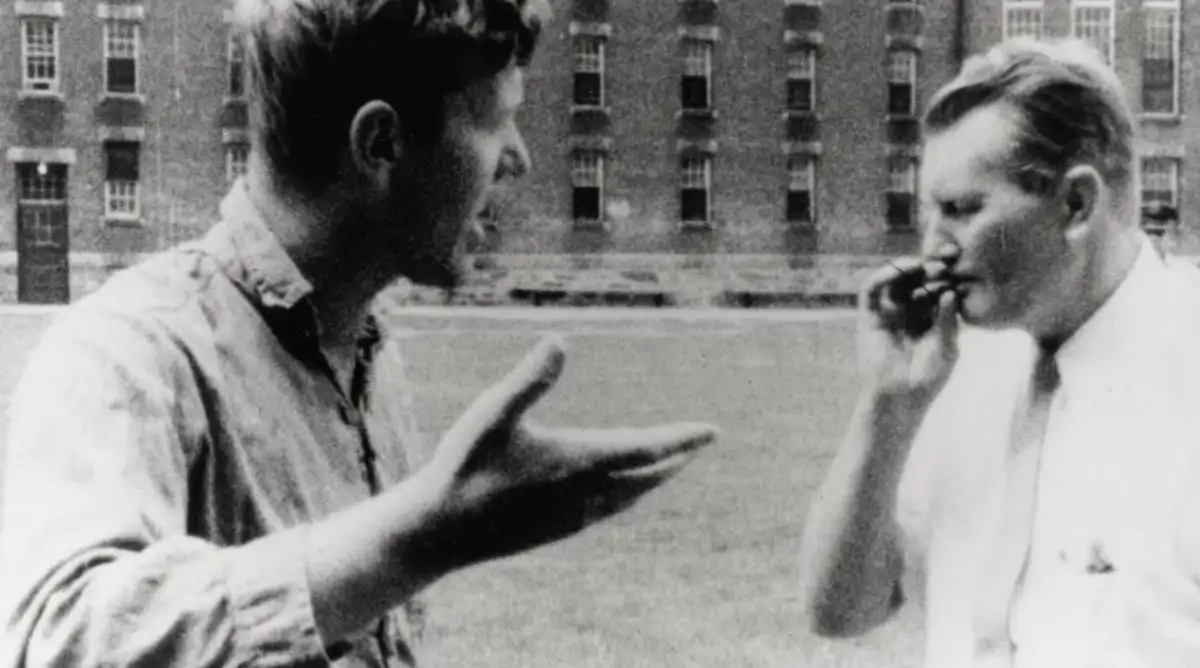
He deliberately avoided narration, allowing the interactions and events captured on film to speak for themselves. This created a sense of immersion for the viewer, inviting them to draw their own conclusions about the human drama, the pathos, and the psychological undercurrents at play.
Titicut Follies and the Question of Privacy
Wiseman's debut film, Titicut Follies (1967), which explored conditions at the Bridgewater State Hospital for the criminally insane, immediately established his observational style. However, the film also brought him into conflict with authorities. The state of Massachusetts sought an injunction to prevent its distribution, alleging violations of prisoner privacy, even though permission had been granted by the hospital superintendent.
"The Massachusetts state government attempted to have every copy of the documentary destroyed, claiming it violated patient privacy laws despite having permission from the hospital superintendent to film in the facility."
This early legal battle highlighted the complex ethical considerations inherent in documentary filmmaking, particularly when dealing with sensitive subjects and institutions. Despite the challenges, Wiseman continued to make films, with "Titicut Follies" eventually becoming part of the U.S. Library of Congress' National Film Registry.
Read More: Voice Actor Tom Kane Dies at 64 After Long Career
A Style Defined by Editing and Observation
Wiseman's directorial approach extended significantly into the editing room, where he spent months meticulously shaping his footage. This intensive editing process was crucial to the rhythm and absorbing quality of his films. He did not adhere to a traditional vérité style but rather crafted a unique cinematic language.
Wiseman’s editing gave his films a sense of rhythm that made them wholly absorbing.
His commitment to observation meant constantly moving, filming from diverse perspectives to gather the necessary coverage. This dynamic approach, combined with his focused editing, allowed him to reveal intricate human experiences and institutional dynamics that might otherwise go unnoticed.
Recognition and Legacy
Throughout his prolific career, Frederick Wiseman received numerous accolades, including an honorary Oscar in 2016 and the Golden Lion for Lifetime Achievement at the Venice Film Festival in 2014. His films, such as "High School," "Hospital," "Law and Order," and "City Hall," are housed in the U.S. Library of Congress' National Film Registry, testament to their enduring significance.
Read More: Hildur Guðnadóttir Misses ACO Debut Due to Hollywood Work
For nearly six decades, Frederick Wiseman created an unparalleled body of work, a sweeping cinematic record of contemporary social institutions and ordinary human experience primarily in the United States and France.
His dedication to documenting the intricacies of American life and his distinctive filmmaking approach have profoundly influenced subsequent generations of documentarians. He continued to work actively, with his most recent film, "Menus-Plaisirs – Les Troisgros," released in 2023.
Sources:
Associated Press: https://apnews.com/article/frederick-wiseman-documentaries-died-96-14ff749bd527434eaf9ad5df59c50a63
British Film Institute (BFI): https://www.bfi.org.uk/features/frederick-wiseman-obituary-towering-figure-american-documentary-filmmaking
The Hollywood Reporter: https://www.hollywoodreporter.com/movies/movie-news/frederick-wiseman-dead-oscar-winning-documentarian-1236507046/
Deadline: https://deadline.com/2026/02/frederick-wiseman-dead-documentary-filmmaker-1236726332/
Variety: https://variety.com/2026/film/news/frederick-wiseman-dead-ex-libris-at-berkeley-1236664858/
The Wrap: https://www.thewrap.com/creative-content/movies/frederick-wiseman-documentary-filmmaker-dies-96/
The Detroit News: https://www.detroitnews.com/story/entertainment/people/2026/02/16/obit-frederick-wiseman-a-master-of-immersive-documentaries/88710588007/