The commencement of a high-profile sexual assault trial involving 93-year-old billionaire Frank Stronach has been met with significant procedural delays, as the defense team mounts a robust challenge questioning the integrity of witness testimony and the prosecution's conduct. The case, spanning historical allegations over nearly five decades, highlights the intricate legal battles inherent in prosecuting long-past events and underscores the strategic maneuvering by legal counsel.

Context of the Allegations and Legal Proceedings
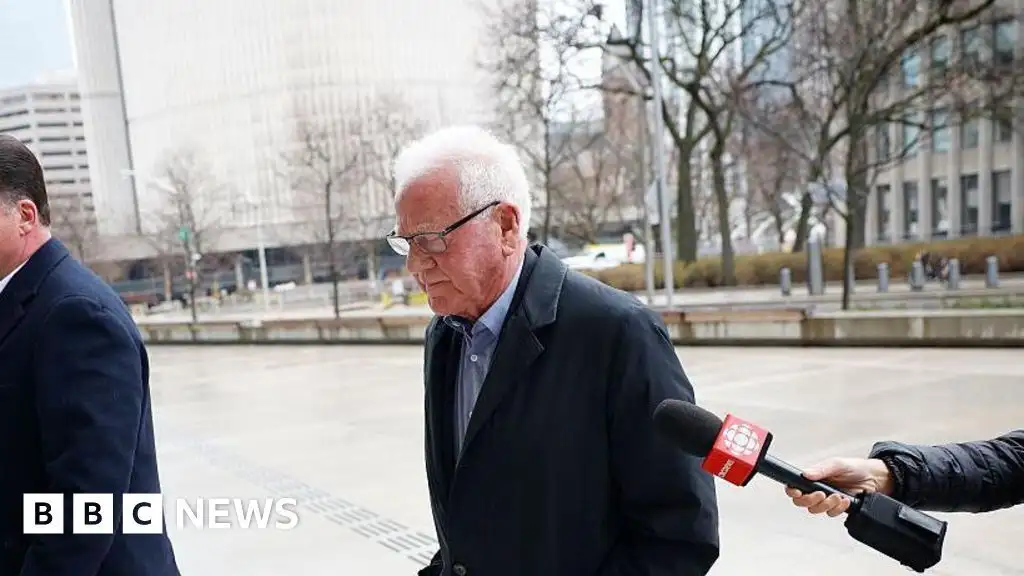
Frank Stronach, the founder of international automotive parts company Magna International, faces a total of 18 offenses involving 13 complainants. The charges, primarily related to sexual assault and forcible confinement, date back over 50 years. Stronach has pleaded not guilty to all charges and denies the allegations. Unlike many jurisdictions, Canada has no statute of limitations for prosecuting sexual assault offenses, allowing these historical claims to be brought forward.
Read More: Gujarat High Court orders Surat to rebuild homes demolished in Nasirnagar

The legal proceedings are bifurcated: one set of charges is being addressed in a Toronto trial, while another is slated for a separate trial later this year in Newmarket, Ontario. The Toronto trial, initially set to begin on February 4, 2026, has faced multiple delays, primarily due to the defense's challenges.
Defence's Strategy: Questioning Witness Preparation and Credibility
The core of the defense's strategy, spearheaded by lawyer Leora Shemesh, appears to be an attempt to cast doubt on the complainants' testimonies and the process by which their statements were gathered.
Allegations of Witness Coaching: Shemesh has raised concerns that the Crown may have improperly influenced or "coached" complainants during witness preparation meetings. The defense argues that during these sessions, prosecutors might have guided witnesses' recollections, leading to potentially unreliable testimony.
Challenging Recollections: Specifically, the defense has highlighted instances where complainants reportedly had memory gaps or relied on past habits to describe events. One complainant, for example, could not recall a specific block of time but insisted on the alleged assault. Shemesh has also suggested that a complainant might be a "storyteller," and has questioned the validity of her employment and other corroborating details.
Focus on Procedural Fairness: The defense has indicated an intention to apply for a stay of proceedings, a legal maneuver to halt the trial, based on alleged abuses of process. This indicates a belief that the prosecution's actions have fundamentally undermined the fairness of the trial.
"It’s archaic,” Shemesh said, referring to the courtroom setup, as she arranged the space to her advantage, giving her a more direct line of sight to witnesses.
Crown attorney David Tice, representing the prosecution, countered these arguments by stating that no abuse of process occurred and that the Crown's actions during witness preparation were standard and went beyond what was required to ensure proper procedure.
Prosecution's Position and Case Management
The Crown attorneys, including David Tice, Jelena Vlacic, and Julia Bellehumeur, maintain that their methods of witness preparation are in line with standard legal practice. They assert that their questioning aimed to clarify, not to dictate or alter, witness memories.
Standard Witness Preparation: The prosecution argues that the meetings were designed to ensure witnesses understood the process and to clarify their accounts, without suggesting what their memories should be.
Focus on Evidence: The Crown aims to present evidence related to the alleged offenses, which span a significant historical period. The prosecution has stated they were seeking clarification from the defense on "omissions" it registered regarding witness statements.
The Crown stated that in these meetings, they were "not telling the complainant what her memory should be, or that she should change her evidence or make it better in any way."
Challenges in Prosecuting Historical Sexual Assault Cases
Cases involving allegations from decades past present unique difficulties for both the prosecution and the defense.
Read More: Jessica Mulroney divorce from Ben Mulroney after Meghan Markle fallout
Memory Degradation: Over extended periods, memories can fade, become distorted, or be influenced by external factors. This makes corroborating details challenging and often relies heavily on the complainant's detailed recollection.
Evidence Preservation: Physical evidence from many years ago may no longer exist or be usable. Witness accounts become paramount, but their reliability over time is a key point of contention.
Legal Frameworks: While the law allows prosecution, the trials are based on the legal framework and rules of evidence that were in place at the time of the alleged offenses, potentially complicating procedural aspects.
Adam Weisberg, a defense lawyer not involved in the Stronach case, noted that "Cases involving historical charges can be complicated and technical, and come with challenges for both prosecutors and defence counsel."
Expert Commentary on Trial Dynamics
Legal observers anticipate a rigorous and potentially protracted legal battle. The defense's aggressive stance, characterized by its focus on procedural challenges and direct questioning of witness credibility, sets a combative tone for the trial.
Strategic Courtroom Setup: Shemesh's attention to the physical layout of the courtroom suggests a meticulous approach to controlling the environment and influencing perceptions.
Focus on Discrepancies: The defense is likely to meticulously dissect witness statements, highlighting any inconsistencies or gaps in memory as proof of unreliability.
Burden of Proof: Ultimately, the prosecution bears the burden of proving Stronach's guilt beyond a reasonable doubt, a task made more arduous by the age of the allegations and the defense's active challenges.
Conclusion and Next Steps
The trial of Frank Stronach has been significantly delayed as the defense vigorously contests the process and the credibility of the complainants. The core issues revolve around allegations of witness coaching and the inherent difficulties in prosecuting sexual assault cases with historical allegations. The defense's strategy to seek a stay of proceedings indicates a belief that procedural fairness has been compromised. The prosecution maintains that its actions are standard practice.
The Toronto trial has been adjourned and will likely resume once procedural issues are resolved.
A separate trial for additional charges is scheduled for later in the year in Newmarket.
The legal team's focus will be on navigating the complexities of historical evidence and ensuring due process for both the accused and the complainants.
Sources:
National Post: Frank Stronach's fierce defence: Billionaire's combative lawyer sets tone for his sex assault trial
Link: https://nationalpost.com/news/canada/frank-stronach-sex-assault-trial-lawyer-leora-shemesh
Summary: Focuses on the defense lawyer Leora Shemesh's tactics and courtroom presence.
CBC News: Start of Frank Stronach's sex assault trial in Toronto stalls as lawyer argues complainants possibly coached
Link: https://www.cbc.ca/news/canada/toronto/frank-stronach-trial-toronto-lawyer-questions-9.7074783
Summary: Reports on the trial stalling due to the defense's coaching allegations and details the interaction with Crown attorney David Tice.
BBC News: Billionaire Frank Stronach faces sexual assault trial in Canada
Summary: Provides an overview of the charges, Stronach's plea, and the number of offenses and complainants.
Globalnews.ca: What to expect as businessman Frank Stronach stands trial on sexual assault charges
Link: https://globalnews.ca/news/11648177/frank-stronach-trial-sexual-assault-charges/
Summary: Discusses the complexities of historical charge trials and legal challenges.
CP24: Frank Stronach’s lawyer plans to apply for stay of proceedings in sex assault trial
Link: https://www.cp24.com/local/toronto/2026/02/05/frank-stronachs-lawyer-plans-to-apply-for-stay-of-proceedings-in-sex-assault-trial/
Summary: Reports on the defense's intention to seek a stay of proceedings and details the issue of witness preparation meetings.
The Star: Defence argues Crown ‘coached’ complainants against billionaire Frank Stronach as Toronto sex assault trial is again delayed
Link: https://www.thestar.com/news/gta/2026/02/05/defence-argues-crown-coached-complainants-against-billionaire-frank-stronach-as-toronto-sex-assault-trial-is/articledaf2945e-fdc7-458d-abd4-effa375b69b8.html
Summary: Details the defense's coaching argument and the Crown's response regarding standard witness preparation.
CBC News: Stronach lawyer accuses complainant of being a 'storyteller' in sex assault trial
Link: https://www.cbc.ca/news/canada/toronto/frank-stronach-sex-assault-trial-9.7088134
Summary: Reports on specific accusations made by Shemesh against a complainant's credibility and recollection.
CBC News: Billionaire businessman Frank Stronach's sex assault trial has been delayed
Link: https://www.cbc.ca/news/frank-stronach-sexual-assault-trial-toronto-9.7070510
Summary: Covers the initial delay of the trial and the nature of the charges Stronach faces.