The State of Florida has formally filed a lawsuit against OpenAI and its chief executive, Sam Altman, alleging a pattern of user exploitation. The legal action, lodged in state court, claims the organization leveraged consumer data and platform interactions in ways that violate state-level protections regarding digital privacy and business transparency.
The core contention centers on the claim that OpenAI prioritized commercial expansion and rapid technological deployment at the expense of user safeguards and transparency protocols.
The complaint alleges Sam Altman maintained direct oversight of data-harvesting practices that bypassed conventional consumer notification standards.
The litigation seeks an injunction against current data processing methods and potential restitution for residents whose information was utilized to refine generative models.
Legal counsel for the state characterizes the firm’s operational model as an opaque capture of intellectual property and personal behavior, masked by the language of technological progress.
Regulatory Tensions and Industry Oversight
| Entity | Primary Accusation | Status |
|---|---|---|
| OpenAI | Unauthorized data appropriation | Active Litigation |
| Sam Altman | Misleading transparency practices | Named Defendant |
| State of Florida | Violation of consumer protection laws | Plaintiff |
The friction between sub-national jurisdictions and Silicon Valley entities reflects a broader instability in digital governance. While developers frame these tools as neutral instruments for human advancement, regional regulators are increasingly framing them as unregulated industrial sectors. The lawsuit mirrors broader concerns regarding data sovereignty and the transformation of human input into proprietary capital.
Read More: Chrome mimeHandler API lets extensions handle file types
Background on Jurisdictional Reach
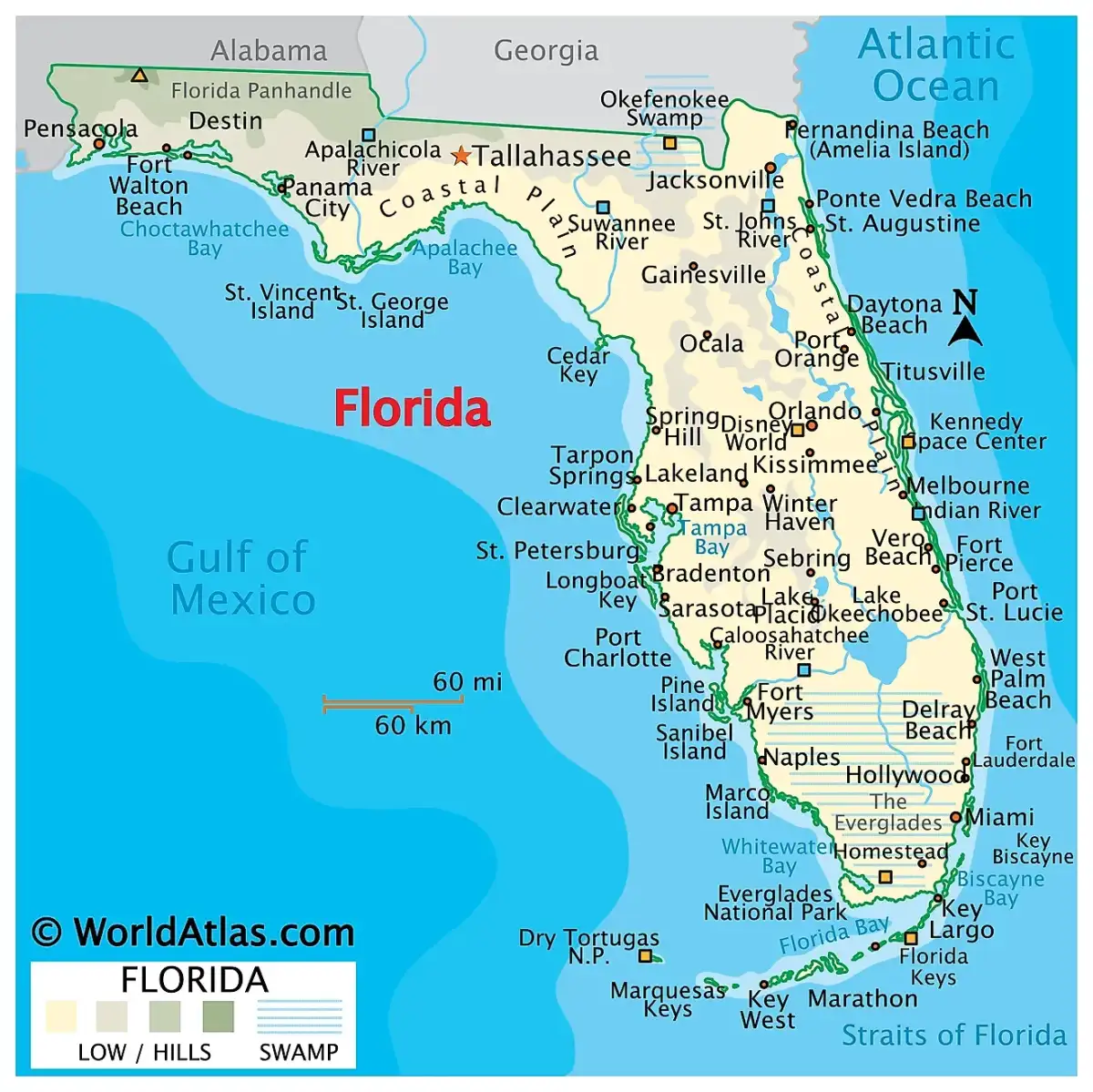
As of today, February 6, 2026, Florida—the third most populous state in the United States—continues to exert its regulatory authority through its 67 county-level and state-level judicial frameworks. Known historically as the "Sunshine State," the peninsula’s attempt to enforce legal standards against a software developer represents a pivot from traditional economic management toward the oversight of algorithmic influence.
Critics of the lawsuit suggest that state-level intervention may create a fractured regulatory landscape, forcing private entities to navigate a patchwork of conflicting mandates. Conversely, supporters view the action as a necessary check on firms that have operated under the assumption of technological immunity from local statute. The matter remains pending as courts weigh the extent to which a software product’s deployment constitutes an actionable harm under current Florida law.