


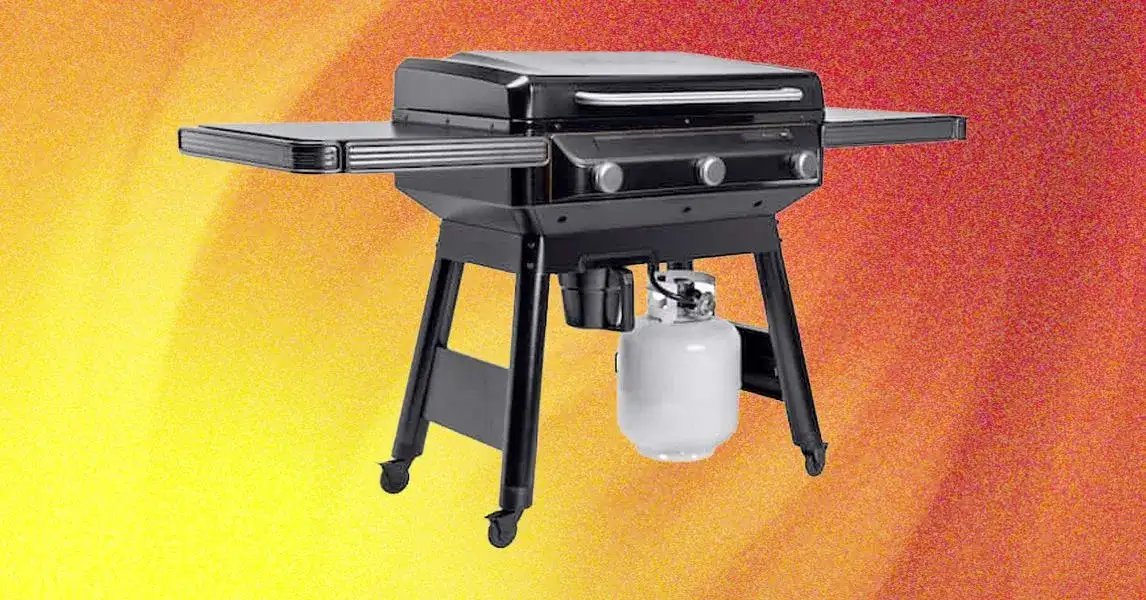
Recent analyses and expert testing in early 2026 suggest a growing interest and practical utility in flat-top grills, a departure from traditional grate-based barbecuing. These units, characterized by their solid, flat metal cooking surfaces, offer a distinct approach to outdoor culinary endeavors, promising enhanced versatility and simplified cleanup.
The core distinction lies in the cooking surface: flat tops present an unbroken plane, akin to a griddle, while traditional grills feature grates allowing food to sit above direct heat and flames. This fundamental difference shapes the cooking experience. Flat-top grills boast a wider array of cooking possibilities, accommodating smaller items like vegetables that might otherwise fall through grates. They also offer a more uniform heat distribution across the entire surface, a factor considered in evaluations of their performance.
Key Considerations and Advantages
Reports from early 2026 highlight several factors influencing the decision to adopt a flat-top grill:
Read More: Summer AC Settings: Save Money by Raising Thermostat
Cooking Versatility: These grills are seen as capable of handling a broader range of foods and cooking styles. From searing meats to preparing breakfast items like pancakes, the flat surface facilitates diverse culinary applications. This extends to cooking multiple types of food simultaneously.
Ease of Cleaning: A recurring point of praise is the simplified maintenance. The seamless surface of a flat-top grill is generally considered easier to clean than the intricate grates of traditional models.
Capacity: For some models, flat-top grills can accommodate a larger volume of food compared to traditional grates, making them suitable for larger gatherings.
Design and Technology
The construction of flat-top grills involves a solid metal plate, often cast iron or steel, designed for even heating. Some models incorporate specific features such as pre-seasoned surfaces, which add a protective layer and enhance non-stick properties. Temperatures can reach well over 400 degrees Fahrenheit, with smoking becoming a factor at higher heat levels. Performance evaluations have involved extensive temperature recordings across these surfaces to gauge evenness.
Market Offerings and User Profiles
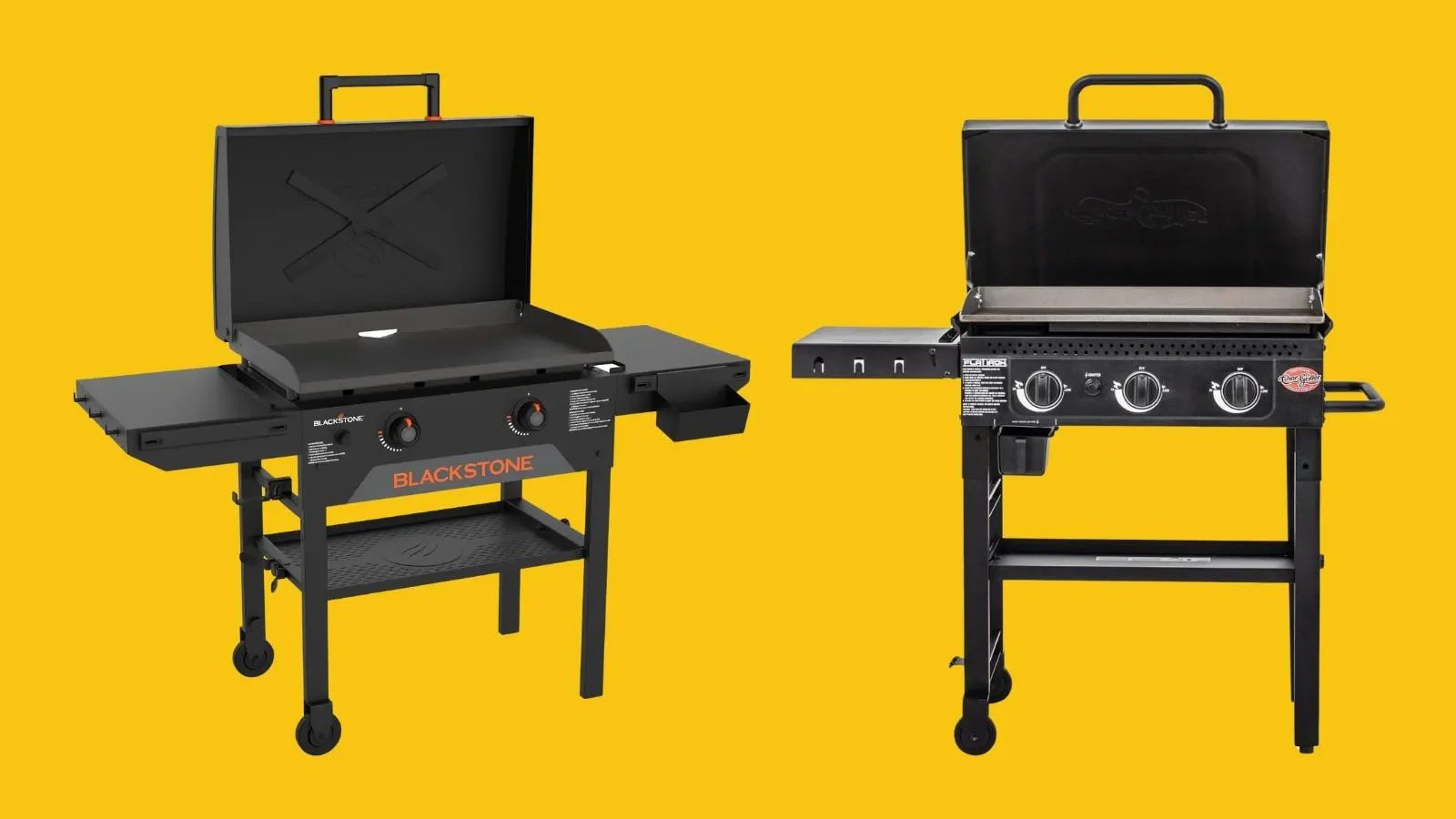
The market in 2026 presents a range of flat-top grill options catering to different needs and budgets.
| Brand/Model | Key Features | Target User |
|---|---|---|
| Blackstone Original Omnivore 28-Inch Propane Griddle | Intuitive operation, numerous features, workhorse capability | Novice grillers, budget-conscious individuals |
| Blackstone 22-Inch Tabletop Griddle with Hood | Compact, lightweight, portable | Small backyards, apartment balconies, camping trips, couples/small households |
| Blackstone 36-inch Griddle Airfryer Combo | Spacious, versatile, high cooking power (60,000 BTUs), Airfryer integration | Frequent entertainers, year-round outdoor cooks, large gatherings |
While some high-end models exist, reliable and functional flat-top grills are not necessarily a significant financial outlay. The emphasis is on intuitive design and quality materials.
Background: A Shift in Grilling Paradigm
The emergence and growing discussion around flat-top grills represent a potential shift in how individuals approach outdoor cooking. While traditional grills have long dominated the backyard scene, the flat-top offers a compelling alternative for those seeking greater control, a wider cooking repertoire, and less fuss with cleanup. This transition is not about one method being inherently superior but rather about adapting to different culinary priorities and a desire for more flexible outdoor kitchen solutions. The ongoing evaluations by consumer-focused entities aim to demystify these differences and empower consumers to make choices aligned with their specific cooking habits.
Read More: Paella Recipe Updates: Bomba Rice and No Stir Rule

:max_bytes(150000):strip_icc()/image-460-7bdc9b0a055246f0b95bfb1b800773ec.jpg)


