Monza Test Unveils Refined Aerodynamics Ahead of Miami GP
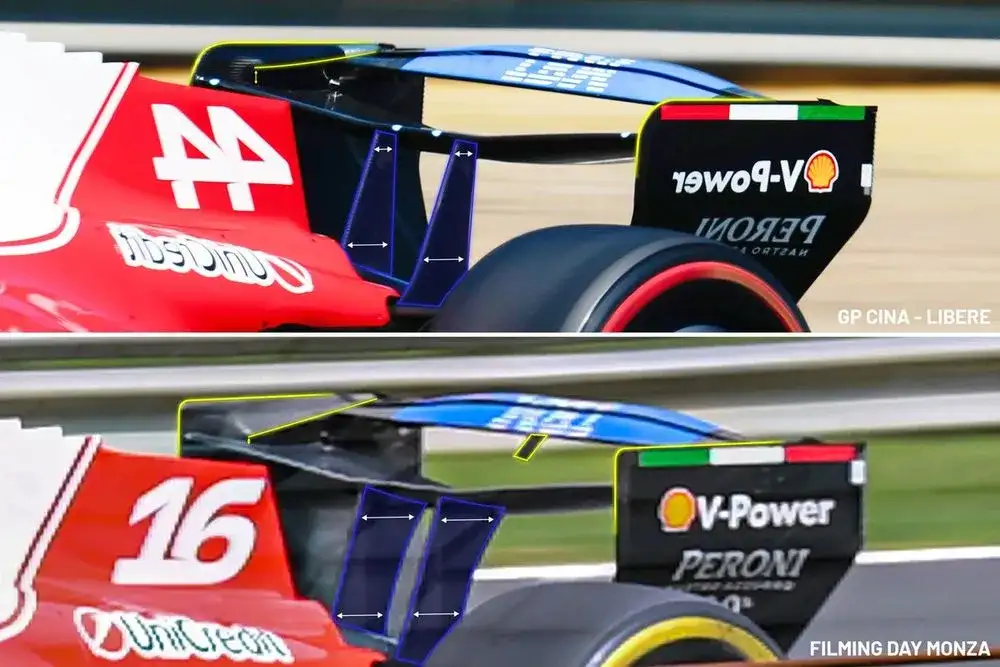
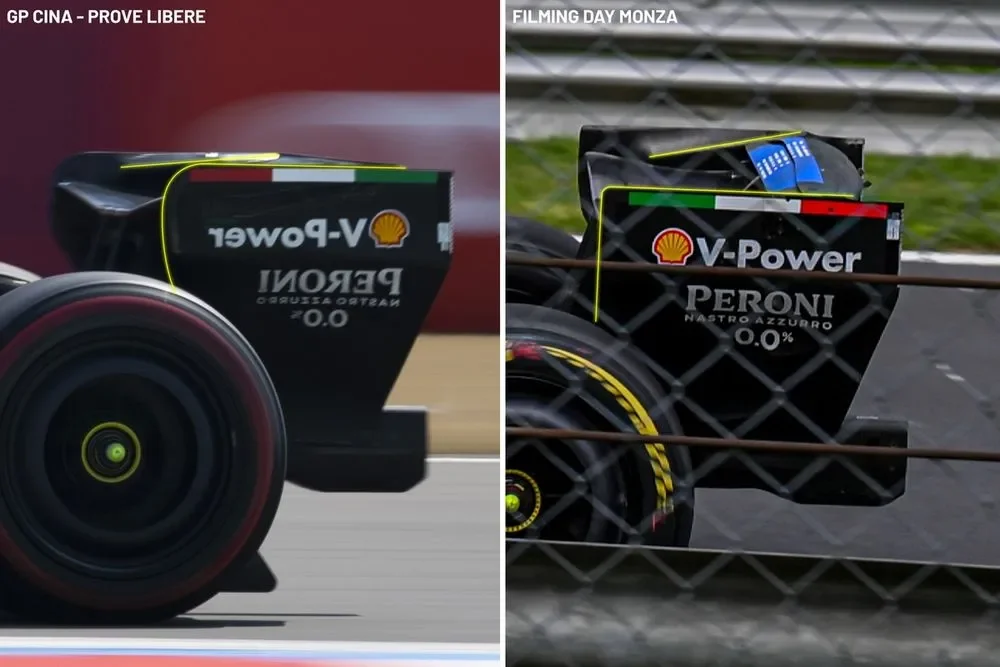
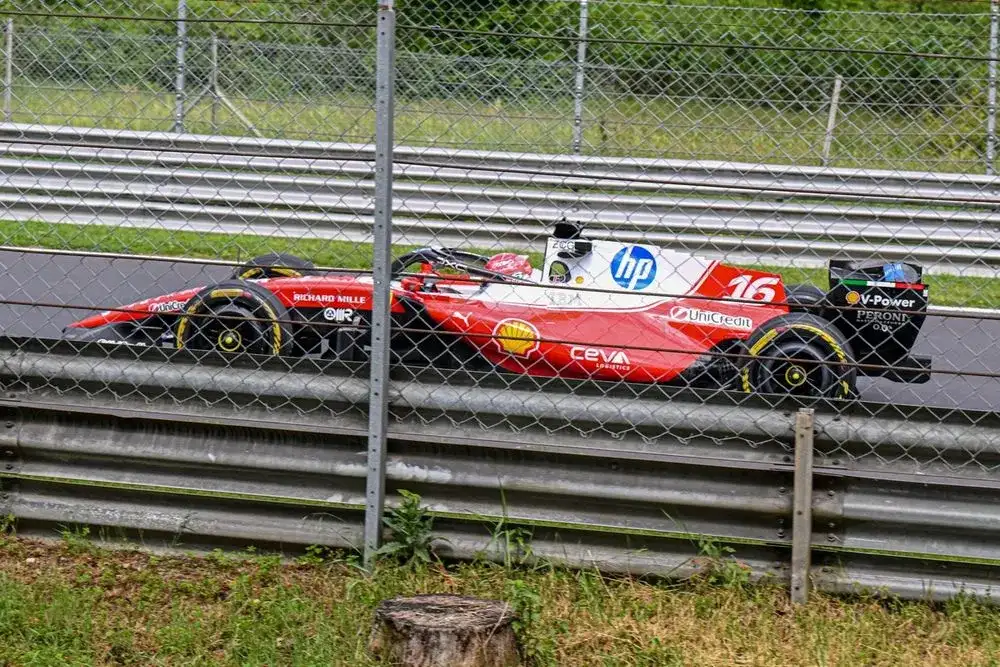
Ferrari has subjected a revised iteration of its peculiar ‘Macarena’ rear wing to rigorous testing at Monza. The Italian squad utilized a permitted 'filming day' at the historic circuit to gather data on this intricate aerodynamic device, alongside other significant updates to their SF-26 car. This testing initiative signals a strategic push to deploy substantial aerodynamic enhancements at the upcoming Miami Grand Prix. The updated wing, a feature that initially debuted during Bahrain pre-season testing and saw further deployment in Chinese Grand Prix practice, underwent alterations to its endplate, now housing a redesigned actuator. Structural pillars supporting the wing have also been re-engineered for dual aerodynamic and load-bearing functions.
Beyond the controversial rear wing, Ferrari's upgrade package for Miami is understood to encompass a tweaked front wing and floor. These areas, crucial under the current regulatory framework, offer significant avenues for performance gains as the sport navigates its initial phase of new technical cycles. The deployment of these upgrades suggests a deliberate strategy to bolster the SF-26's competitive posture.
Read More: George Russell Struggles: 43 Points Behind Teammate Antonelli
'Macarena' Wing: A History of Intrigue
The 'Macarena' wing, so-called for its unconventional rotating mechanism, first surfaced during the Bahrain pre-season tests. Its subsequent appearance in free practice for the Chinese Grand Prix drew considerable attention, though it was notably absent by race day. Footage circulating online from the Monza filming day shows the wing in its peculiar upside-down configuration along the main straight, a visual testament to Ferrari's persistent development of this concept. Some speculation suggests a potential delay in its race debut until the Canadian Grand Prix, though the Monza trials suggest a readiness for earlier deployment.
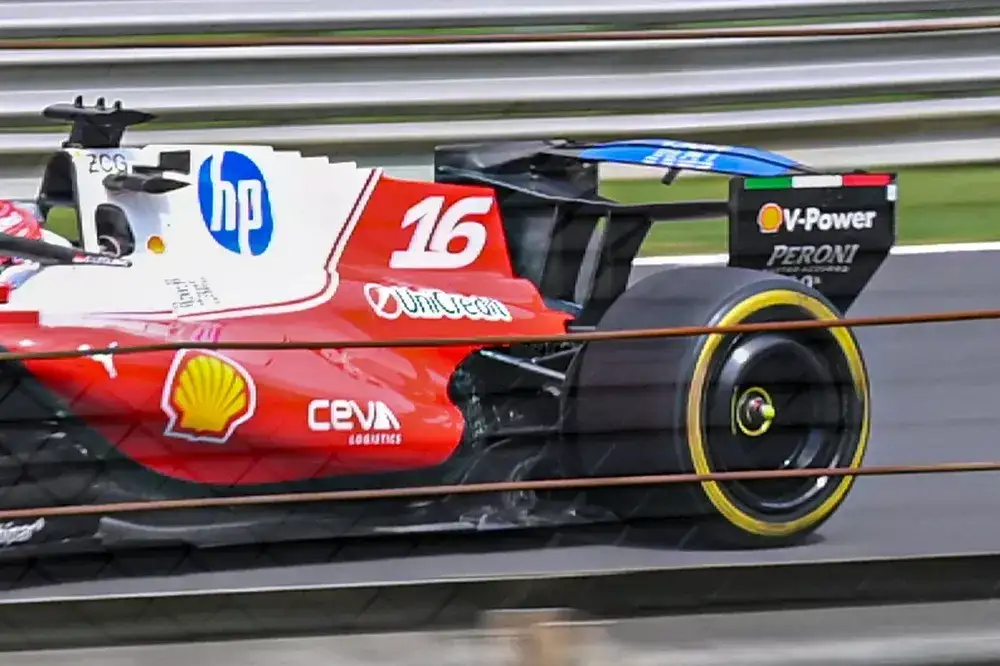
The potential performance advantage of this rotating mechanism is estimated to be between 8 to 10 km/h on straights, a gain that could prove vital in addressing perceived straight-line speed deficits, particularly against teams utilizing Mercedes power units. This aerodynamic configuration previously coincided with issues of instability under braking, a factor noted during Lewis Hamilton's spin in Shanghai.
Read More: Kimi Antonelli Takes Pole for 2026 Monaco Grand Prix

Broader Development and Competitive Landscape
Ferrari's intensive testing at Monza, involving both Charles Leclerc and Lewis Hamilton, consumed the full 200-kilometer allocation permitted for such promotional events. This session was more than just a promotional exercise; it served as a crucial data-gathering platform for Ferrari's Miami upgrade package. The modifications align with FIA's recently introduced energy-management regulations, which took effect on April 20th.
Meanwhile, the innovative nature of Ferrari's wing design appears to be influencing rivals. Reports indicate that Red Bull has begun experimenting with a similar concept, marking Ferrari's design as a significant point of reference in the current aerodynamic development race. The intensity of these developments underscores the dynamic and often secretive nature of Formula 1 engineering.