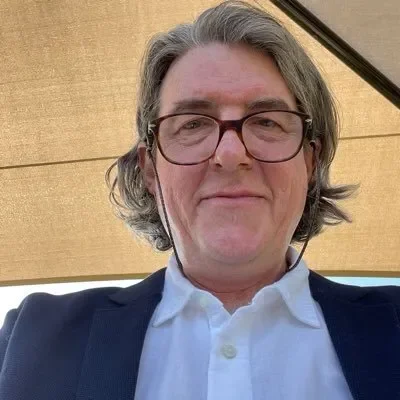
The Federal Open Market Committee (FOMC) is widely expected to maintain its current interest rate stance, leaving rates unchanged at their April meeting. This decision, anticipated to be announced on April 29, 2026, comes as attention increasingly shifts to the potential final press conference of Fed Chair Jerome Powell, with Kevin Warsh's nomination to succeed him casting a shadow over conventional policy signals.
Market observers are bracing for a steady hand on interest rates, with the stubborn persistence of inflation and a robust labor market presenting little immediate justification for rate cuts. The current target range for the federal funds rate stands between 3.5% and 3.75%. This meeting, concluding on Wednesday, April 29, marks a pivotal moment, not only for its policy implications but also for the impending leadership change at the helm of the central bank.
Read More: UK Pension Funds May Have to Invest in UK Companies

Powell's Potentially Last Stand
Jerome Powell's press conference following the rate decision is drawing significant scrutiny. During his confirmation hearing on April 21, Powell hinted at a need for the central bank to re-evaluate its toolkit, inflation framework, and communication strategies, suggesting a move away from overt forward guidance. His downplaying of stagflation concerns in the previous meeting also signals a cautious approach.
"Powell downplayed concerns about stagflation… saying he reserves the term for a more serious set of circumstances."
This meeting could indeed be Powell's last as Chair, with his term set to end in May. His successor, Kevin Warsh, nominated by President Trump, has navigated his confirmation hearing, stating he made no rate cut promises. This transition period introduces an unusual element, potentially diminishing the usual predictive weight of the Chair's post-meeting remarks.

Economic Crosscurrents
Analysts like Mark Zandi, chief economist at Moody's Analytics, anticipate no rate cuts from the Fed throughout 2026. However, a divergence exists, with institutions like Bank of America still projecting two rate cuts this year. The backdrop for these discussions includes geopolitical tensions and fluctuations in oil prices, which are contributing to headline inflation figures.
Read More: USCIS New Vetting Delays Green Cards and Citizenship Applications
The FOMC, comprised of 12 voting members, convenes for its April meeting from April 28 to April 29. The voting committee for this April meeting includes permanent members: Fed Chair Jerome Powell, Vice Chair Philip Jefferson, Fed Governors Michael Barr, Michelle Bowman, Lisa Cook, Stephen Miran, Christopher Waller, and New York Fed President John Williams. The rotation of voting presidents from Chicago, Richmond, Atlanta, and San Francisco is slated for 2027.
While a rate cut could ease borrowing costs for consumers and potentially spur business hiring, the current inflationary environment and a labor market not in dire straits suggest that the risks of exacerbating inflation might outweigh the immediate benefits of such a move. The overarching consensus points towards the Fed prioritizing price stability amidst this period of transition and economic uncertainty.
Read More: ASX Falls 7 Days Straight as RBA Rate Hike Fears Grow