The recent 2026 NFL Draft has underscored the volatile nature of pre-draft evaluations, with numerous players selected significantly higher or lower than their widely circulated high school recruiting rankings might suggest. This disparity highlights a persistent disconnect between perceived collegiate potential and professional readiness, prompting a re-examination of how talent is assessed at its earliest stages.
The most striking example is Fernando Mendoza, quarterback, taken by the Las Vegas Raiders at pick number one. Mendoza, who entered the draft process with a national high school ranking of 2,535, defied conventional expectations. This selection, along with others, challenges the predictive power of traditional scouting metrics that often heavily weigh pre-college accolades.
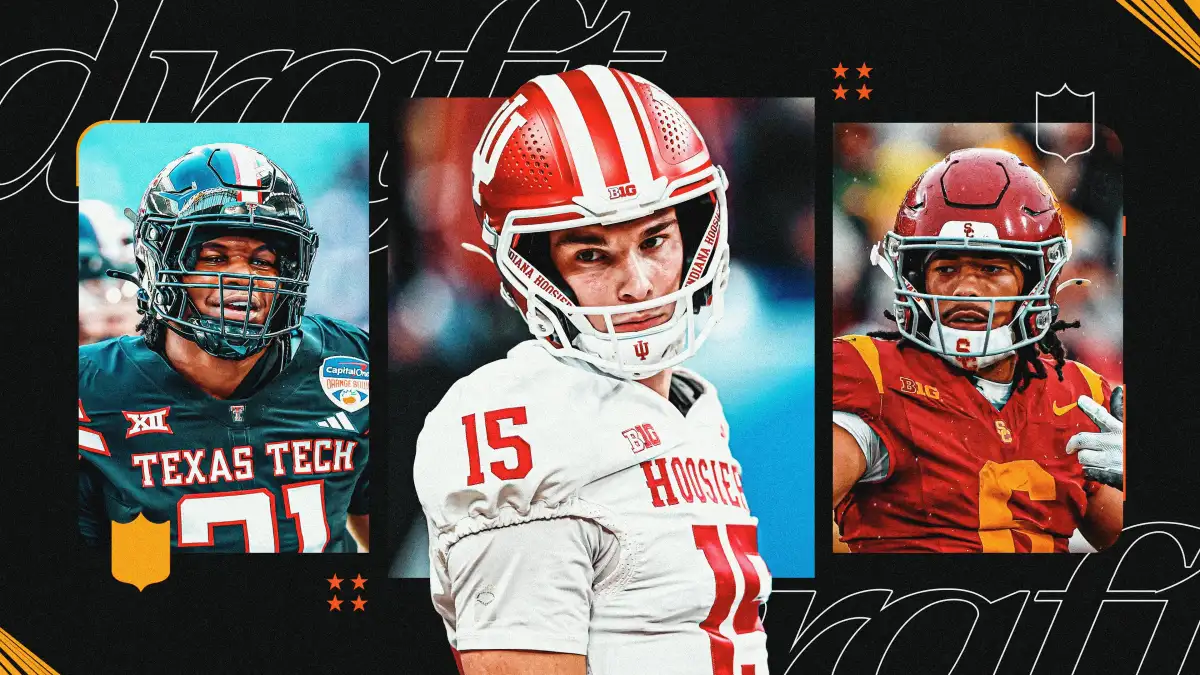
Several other players showcased similar divergences from their recruiting pedigrees:
Makai Lemon, wide receiver, chosen by the Philadelphia Eagles within the first 20 picks, was ranked No. 8 overall in final retrospective rankings. He was a 4-star recruit nationally ranked No. 44.
Dillon Thieneman, safety, selected by the Chicago Bears at pick No. 25, was retrospectively ranked No. 17 overall. His high school ranking was 3-star, No. 990 nationally.
Bud Clark, safety, drafted by the Seattle Seahawks at pick No. 64, ultimately achieved a retrospective ranking of No. 77.
Zion Young, edge rusher, taken by the Baltimore Ravens at pick No. 45, was retrospectively ranked No. 30 overall.
The data suggests that the extensive network of recruiting rankings, which often categorize prospects into tiers like five-star, four-star, and lower, provides an incomplete picture. A significant portion of draftees, such as David Bailey (LB, NY Jets), a 4-star recruit ranked No. 66 nationally, and Carnell Tate (WR, Tennessee Titans), a 4-star recruit ranked No. 60 nationally, align more closely with these traditional metrics. However, the inclusion of players like Mansoor Delane (CB, Kansas City Chiefs), a 3-star recruit ranked No. 651 nationally, among notable picks indicates that perceived deficiencies in early evaluations do not necessarily preclude professional success.
Read More: Justin Simmons Retires From NFL After 9 Seasons in Denver
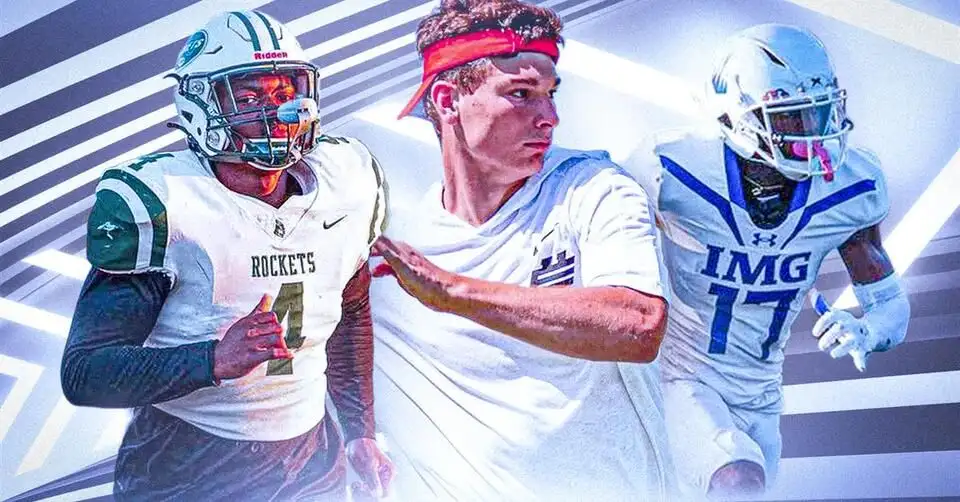
The very framework of predicting NFL success based on high school performance is demonstrably flawed, with "recruiting rankings" often amounting to little more than an educated guess, if that. This year's draft demonstrated that a player's collegiate trajectory, developmental potential, and the specific needs of NFL franchises play a far more decisive role than their high school accolades.
Background: The Ranking Conundrum
The 2026 NFL Draft class serves as another annual reminder that the industry surrounding recruiting rankings operates with varying degrees of predictive accuracy. Organizations like 247Sports typically designate a fixed number of five-star and four-star prospects each year. While a substantial number of these highly-rated players are indeed selected in the early rounds of the NFL Draft, the narrative is invariably shaped by those who transcend or fall short of these designations.
Read More: Matt Miller NFL Draft 2026: Top 100 Picks Analyzed
Reports indicate that in past drafts, a significant majority of selections – in this case, 117 of 257 total picks – were players previously graded as four- or five-star prospects out of high school. This statistic, however, obscures the crucial outliers and the subsequent adjustments made by draft analysts and teams in their retrospective assessments. The aggregation of various analyst big boards, as seen in composite rankings, attempts to provide a more averaged view, but ultimately, individual team evaluations and a player's journey through college football are the true arbiters of draft success. The process is an ongoing negotiation between perceived talent and actualized potential, a cycle that the NFL Draft continues to illuminate with its inherent unpredictability.