Federal actions, particularly those targeting Medicaid and Medicare funding for transgender youth, alongside state-level bans, are creating significant disruption and uncertainty around gender-affirming care. Health practitioners warn these measures may have far-reaching consequences, potentially leading to increased reliance on unsafe practices and exacerbating existing health disparities.
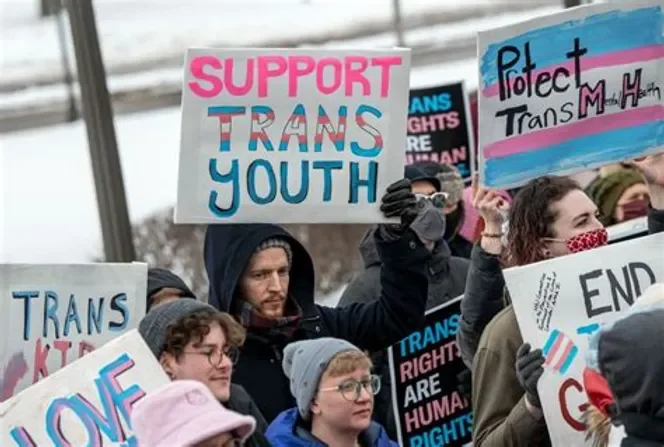
President Trump's administration has spearheaded a move to curtail federal support for gender-affirming care for individuals under 19. A draft proposed rule reportedly aims to prohibit federal Medicaid reimbursement for such care for patients younger than 18. Furthermore, another proposed rule seeks to block all Medicaid and Medicare funding for hospitals providing pediatric gender-affirming care. These federal efforts echo restrictions seen at the state level, where numerous laws have been enacted to severely limit or criminalize the provision of this care.

State-Level Restrictions Take Hold
Beyond federal initiatives, several states are actively restricting access. Florida has been a focal point, with some hospitals no longer accepting new patients seeking gender-affirming care, plastic surgeons facing denial of hospital operating space, and medical centers removing related information from their websites. Tennessee is also attempting to block state funds for health insurance policies that cover gender-affirming care. These legislative attacks are not slowing, with some conservative state leaders showing no sign of ceasing efforts to restrict such healthcare.
Read More: NHS official Ms. Jones steps back from Palantir contract on 7 April 2026
Broader Implications and Health Risks
The impact of these bans extends beyond immediate medical access. When systemic barriers prevent access to medically supervised gender-affirming hormone therapy, transgender individuals may resort to nonprescription, self-administered hormones, potentially using nonsterile equipment. This raises the risk of blood-borne infections like hepatitis C and HIV, conditions already disproportionately affecting the transgender population. Some critics argue that harm reduction strategies, such as syringe services programs, could mitigate these risks, though others contend such approaches may appear to condone risky behaviors.
Background on Gender-Affirming Care
Gender-affirming care encompasses a range of medical, surgical, mental health, and non-medical services designed for transgender and gender-nonconforming people. It is often described by providers as an essential, and sometimes life-saving, treatment. Opponents, however, claim these bans are intended to protect children and parental rights. The legal landscape surrounding these bans is in flux, with ongoing litigation and potential shifts in civil rights. The Trump administration's actions are not limited to health policy, extending to other areas affecting the transgender community.
Read More: Taiwan Holds Nantou County Drills to Prepare for State Collapse